

sdf%20-%20Copy.jpg)






.png)


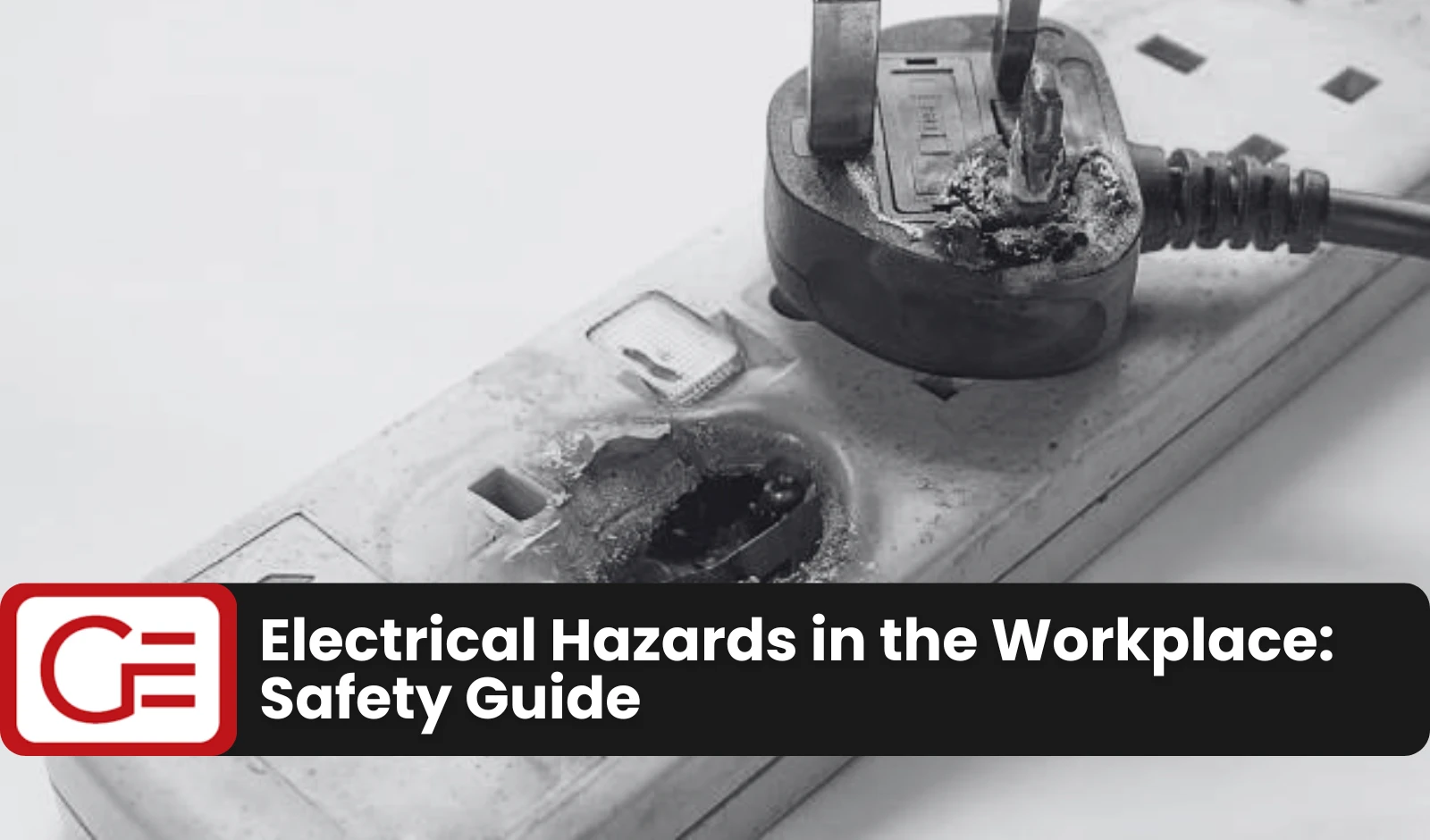
Electricity powers almost every workplace, from offices to factories and warehouses. While it makes daily tasks easier, it can also become dangerous if electrical systems are not properly maintained.
Understanding electrical hazards in the workplace is one of the best ways to protect employees and visitors. Knowing what to look for and how to prevent problems can reduce accidents and keep your business running safely.
What Are Electrical Hazards?
Electrical hazards are anything that can cause an electrical shock, burn, fire, or other injury. Some hazards are easy to spot, while others may stay hidden until something goes wrong.
Common electrical hazards include damaged cables, overloaded outlets, faulty equipment, exposed wiring, and contact with live parts. These problems should never be ignored because they can quickly become dangerous.
Why Are Electrical Hazards a Serious Risk?
Electrical accidents can happen without warning. Even a small fault can lead to injury, damage to equipment, or a costly shutdown.
In some workplaces, there is also a risk of electrical fires or an arc flash. These incidents can cause serious harm, especially in areas with high-voltage equipment or large electrical systems.
Common Electrical Hazards in the Workplace
Many workplace accidents happen because small electrical problems are left unchecked. Knowing the warning signs can help prevent bigger issues later.
- Some of the most common hazards in the workplace include:
- Damaged extension cords or power leads
- Overloaded power outlets
- Faulty circuit breakers
- Exposed electrical lines or wiring
- Wet conditions near electrical equipment
- Damaged switches or power points
- Unsafe use of portable electrical tools
Workers should report these problems as soon as they are found instead of waiting for them to get worse.
How to Prevent Electrical Hazards in the Workplace
Preventing electrical hazards starts with good planning and safe working habits. Small actions taken every day can make a big difference. Carry out regular inspections to look for damaged equipment, worn cables, or other potentially hazardous conditions. Replace damaged items quickly instead of using temporary fixes.
Employees should also avoid overloading power outlets and only use electrical equipment as instructed. Keeping work areas clean and dry helps lower the risk of electrical accidents. A workplace should also have suitable protective devices that help shut off the electrical supply if a fault is detected. These safety features can reduce the risk of electrical injuries and equipment damage.
Carry Out Regular Risk Assessments
A risk assessment helps identify electrical risks before they lead to an accident. It allows businesses to find unsafe conditions and decide what improvements should be made.
Risk assessments should be completed regularly and whenever new equipment or electrical systems are installed. This helps keep the workplace safer as conditions change.
Working Near Overhead Power Lines
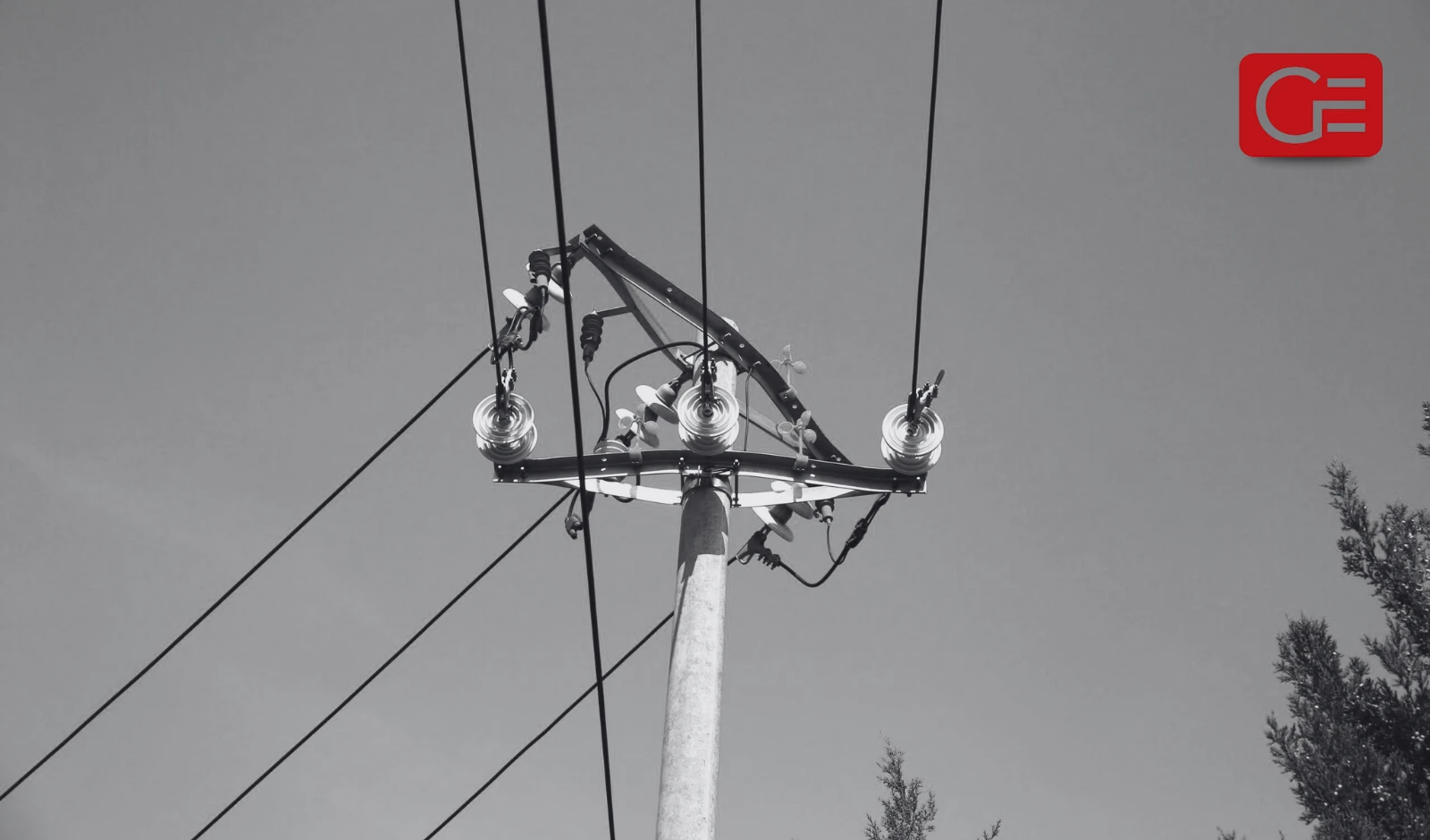
Working near an overhead power line requires extra care. Contact with power lines can cause serious injury or even death.
Always keep equipment and materials a safe distance from electrical lines. If work needs to be done close to power lines, follow the correct safety procedures and seek professional advice before starting.
Why Professional Electricians Matter
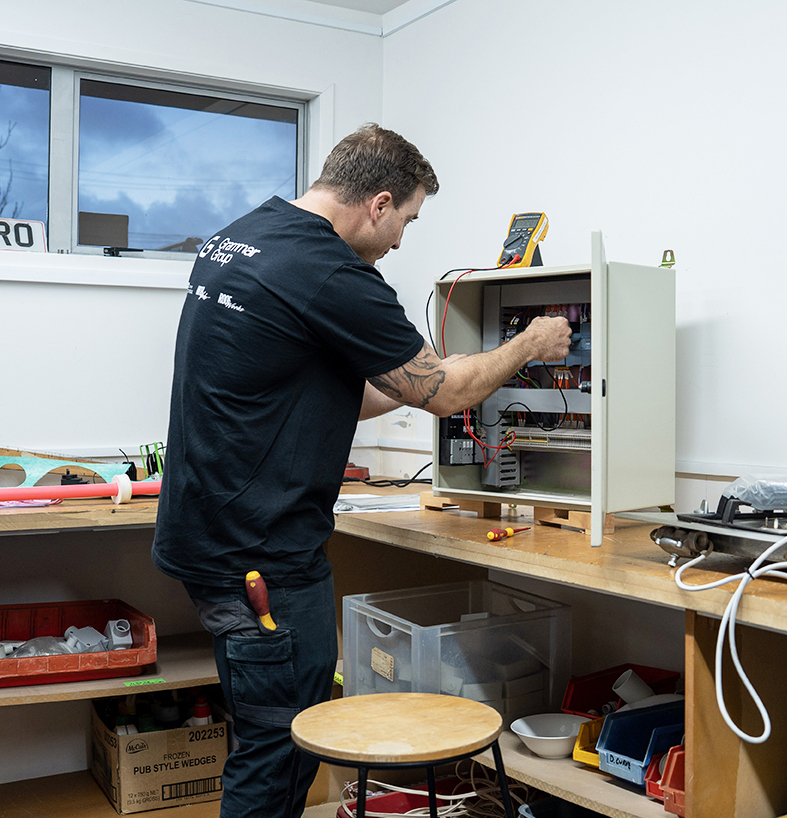
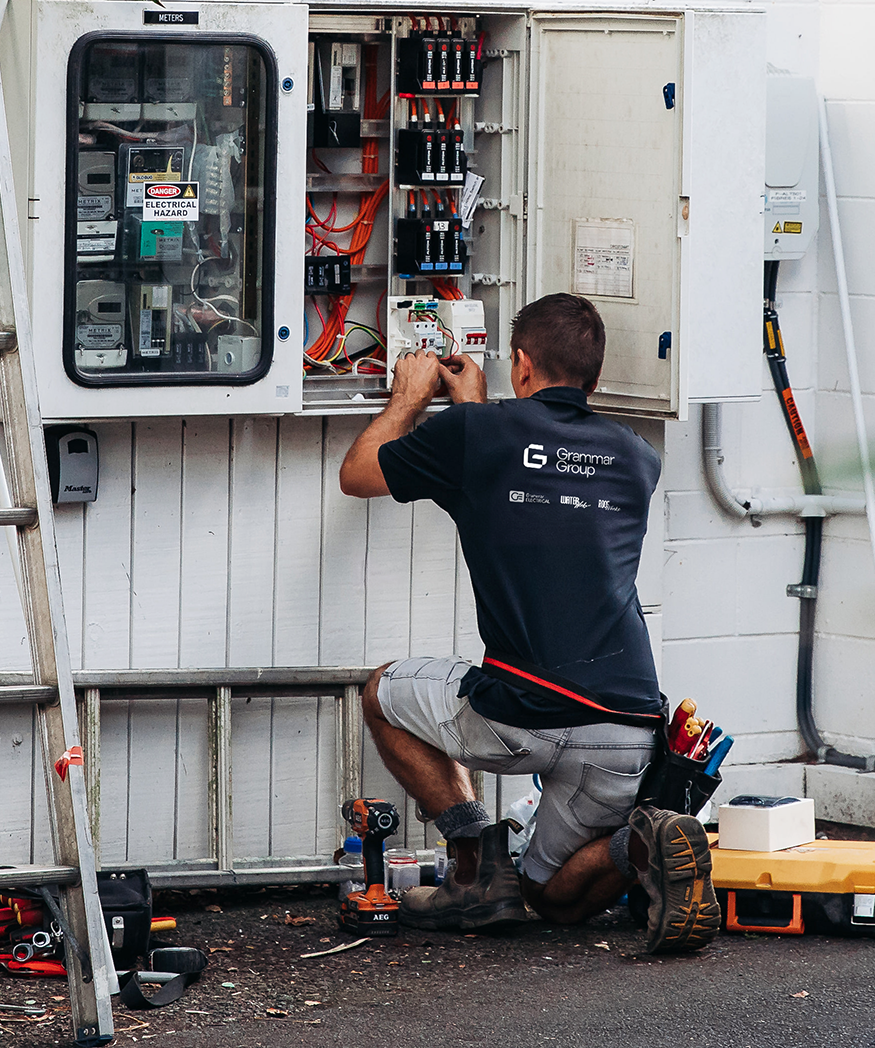
Electrical work should always be carried out by qualified professionals. An experienced Industrial Electrician can inspect electrical systems, identify faults, and recommend safe solutions before problems become more serious.
If your workplace includes a Dangerous and Hazardous Area, it is even more important to use electricians with the right knowledge and experience. They understand how to work safely in high-risk environments and help keep your workplace compliant with current safety requirements.
Final Thoughts
Electrical hazards can affect any workplace, no matter its size or industry. Taking simple steps to identify hazards early can help prevent injuries, equipment damage, and costly downtime.
Regular inspections, proper maintenance, and safe work practices all play an important role in workplace safety. By staying proactive, businesses can reduce electrical risks and create a safer environment for everyone.
Keep Your Workplace Electrically Safe
A safe electrical system protects your employees, equipment, and business. Whether you need an inspection, repairs, or ongoing electrical maintenance, Grammar Electrical is here to help.
Call Grammar Electrical on 09 884 6611 or book online and save $15.
Auckland’s Trusted Electricians
Fast, reliable electrical repairs, installations & upgrades - available 24/7.
Book Online & Save $15


Got a question?
Contact us for a FREE installation quote or book your job online today.
Same Day Service Guarantee - Terms & Conditions

The "Same Day Service Guarantee or it's Free" applies to:
a. Residential work and Commercial only.
b. Jobs specified as needing same day service when booking a job by phone or online.
c. Residential and Commercial work booked with Grammar Electrical:
i) Before 11:00AM
ii) For calls or online bookings received after 11:00AM, the customer will be offered a job. Booking for the next business day and normal callout fees ($170+ GST) will apply.
iii) Any other jobs booked outside business hours (9:00AM - 5:00PM Monday- Friday) will incur after hours charges.
iv) This offer is excluded for jobs booked on New Zealand public holidays.
d. If Grammar Electrical are unable to attend on the same day (within 24 hours) for a job booked by the customer, the standard callout fee of $170 + GST will be waived and is free, but all other normal charges, fees and expenses will apply to perform the Electrical Services and to provide any products/materials concerning those services.
e. The Standard Callout Fee will be deducted from your bill as long as you pay within your invoice's due date. The callout charge is applicable if your invoice is overdue.
f. If Grammar Electrical are willing and able to perform the Service or provide the Goods on the same day the job is booked, however the Customer for whatever reason does not give access to their property on the day, Grammar Electrical will be deemed to have complied with it's "Same Day or it's Free" guarantee and shall be entitled to charge the customer the standard call-out fee.
g. This offer is not a guarantee of work being completed. The completion of the job will depend on stock availability and also the amount of work required.