

sdf%20-%20Copy.jpg)







.png)


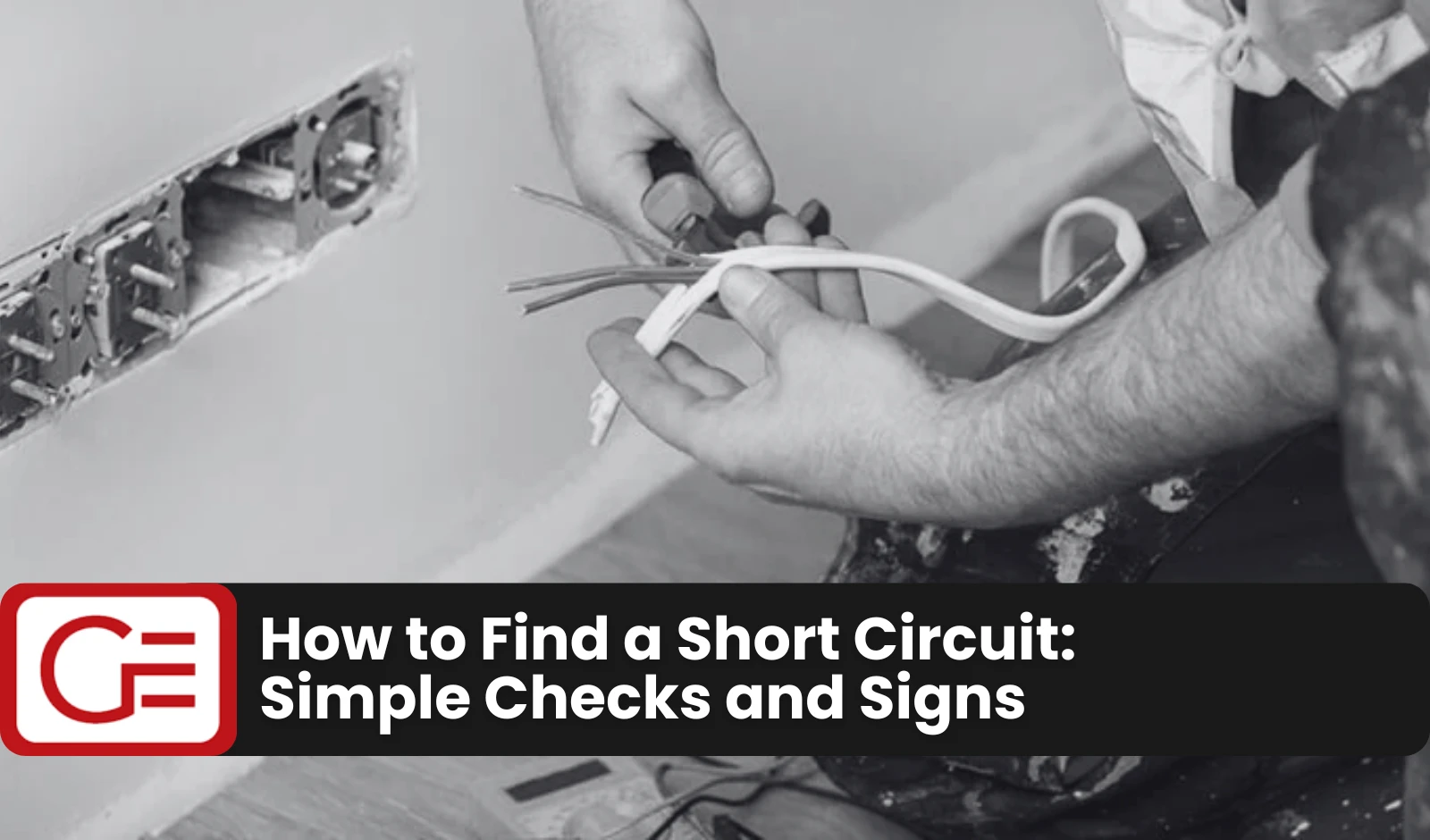
Electrical issues can interrupt your daily routine and sometimes create safety concerns. One common problem is a short circuit, which can cause power loss or damage to appliances.
Understanding the basics of finding a short circuit can help you spot early signs. However, it is important to approach electrical problems carefully to avoid further risks.

What Is a Short Circuit?
A short circuit happens when electricity takes an unintended path instead of flowing through the normal route. This disrupts how the system works and may cause parts of your home to lose power.
In many cases, the problem is not visible, making it harder to identify the exact location of the short without proper tools.
Common Signs of a Problem
Several signs may indicate an issue in your system.
Watch for:
- A tripped circuit breaker
- Lights or appliances that have stopped working
- Sudden loss of power supplied
- Heat, sparks, or unusual smells
If you notice more serious signs like heat, sparks, or unusual smells, it’s best to contact an emergency electrician right away. These signs can help you begin to find a short or narrow down the affected area.
Safe Ways to Check
Basic checks can help you understand where the issue might be, but they should always be done carefully.
You can:
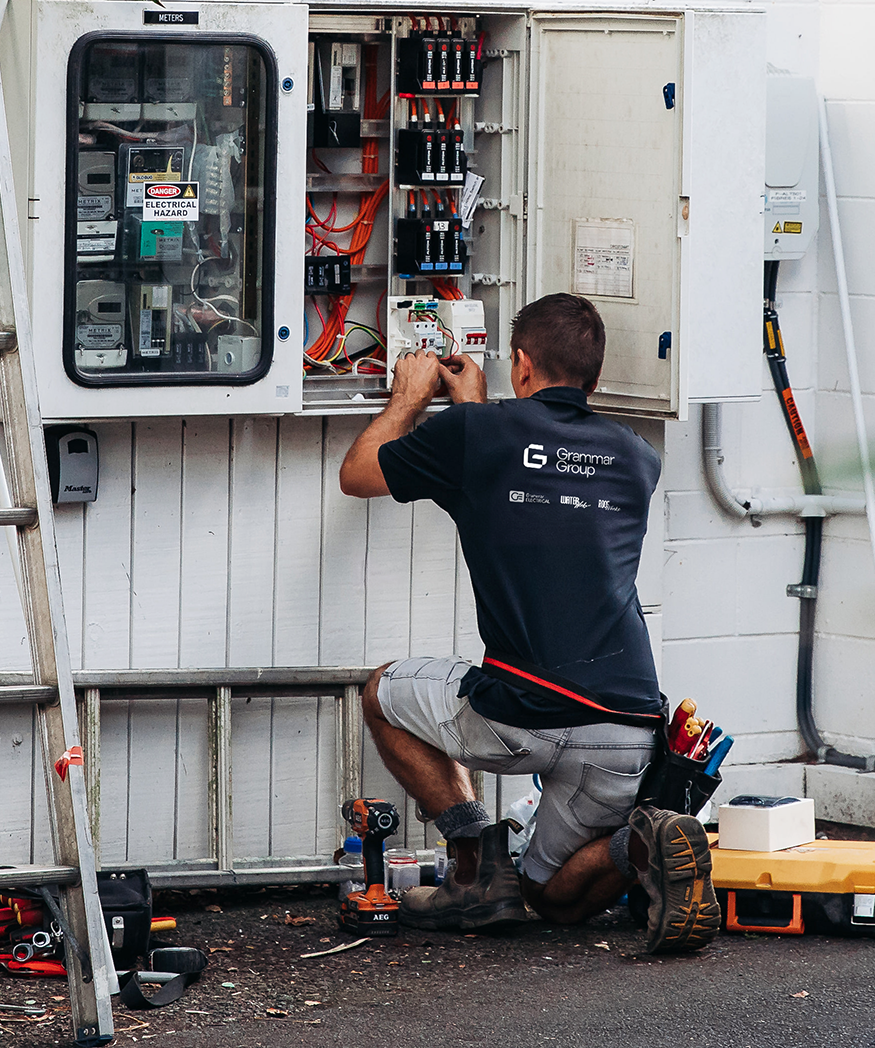
- Check your breaker panel for tripped switches
- Observe which areas are not receiving power
- Use a circuit tester to check outlets
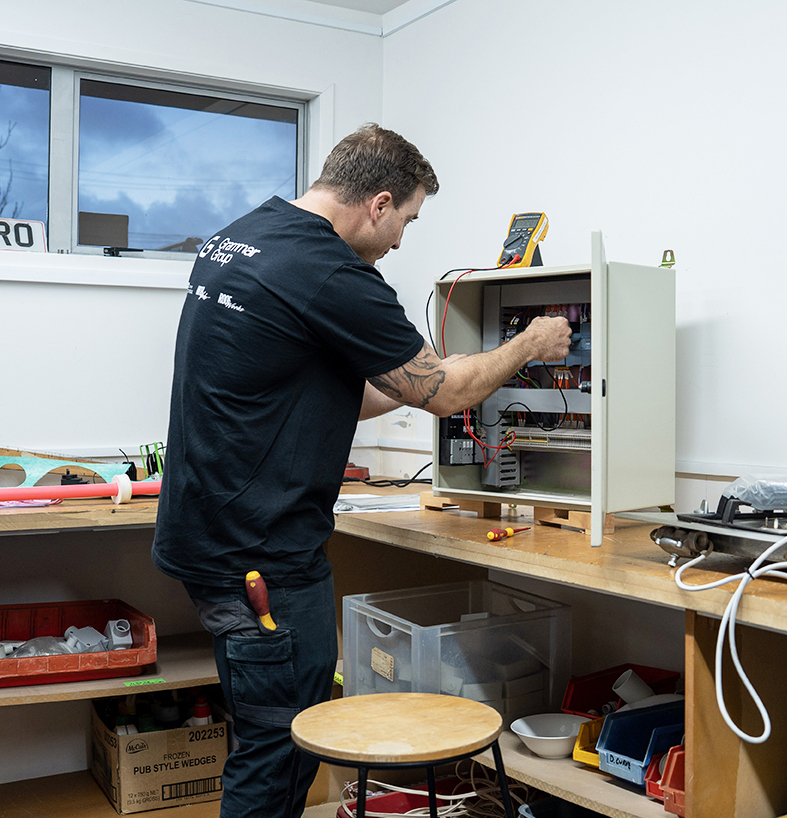
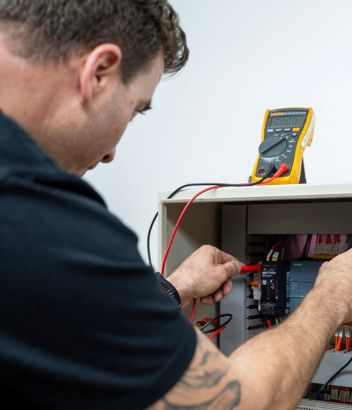
- Try a multimeter test for irregular readings
These steps may point you in the right direction, but deeper problems usually require professional tools and a registered electrician to check.

Tools Used for Detection
Certain tools are used to test circuits and identify faults.
- Circuit tester – checks if power is present
- Digital multimeter – measures voltage and current
While these tools can help, incorrect use may lead to further issues or safety risks.
Why It Can Be Hard to Locate
Electrical systems are connected through multiple circuits, so the exact fault is not always easy to find.
Problems may be hidden:
- Inside walls
- Behind outlets
- Within appliances
This is why identifying the location of the short often requires the experience of a residential electrician.
Final Thoughts
Knowing how to spot the signs of a short circuit can help you act quickly. While basic checks can help, electrical problems should always be handled with care.
If you are unsure or unable to locate the issue, professional help is the safest option.
Fast, Reliable Electrical Fault Detection
Electrical faults aren’t always visible, and guessing can make things worse. A qualified professional uses the right tools and experience to pinpoint the issue quickly and restore your system safely.
Call Grammar Electrical on 09 884 6611 or book online today to get $15 off your service.
Auckland’s Trusted Electricians
Fast, reliable electrical repairs, installations & upgrades - available 24/7.
Book Online & Save $15



Got a question?
Contact us for a FREE installation quote or book your job online today.
Same Day Service Guarantee - Terms & Conditions

The "Same Day Service Guarantee or it's Free" applies to:
a. Residential work and Commercial only.
b. Jobs specified as needing same day service when booking a job by phone or online.
c. Residential and Commercial work booked with Grammar Electrical:
i) Before 11:00AM
ii) For calls or online bookings received after 11:00AM, the customer will be offered a job. Booking for the next business day and normal callout fees ($170+ GST) will apply.
iii) Any other jobs booked outside business hours (9:00AM - 5:00PM Monday- Friday) will incur after hours charges.
iv) This offer is excluded for jobs booked on New Zealand public holidays.
d. If Grammar Electrical are unable to attend on the same day (within 24 hours) for a job booked by the customer, the standard callout fee of $170 + GST will be waived and is free, but all other normal charges, fees and expenses will apply to perform the Electrical Services and to provide any products/materials concerning those services.
e. The Standard Callout Fee will be deducted from your bill as long as you pay within your invoice's due date. The callout charge is applicable if your invoice is overdue.
f. If Grammar Electrical are willing and able to perform the Service or provide the Goods on the same day the job is booked, however the Customer for whatever reason does not give access to their property on the day, Grammar Electrical will be deemed to have complied with it's "Same Day or it's Free" guarantee and shall be entitled to charge the customer the standard call-out fee.
g. This offer is not a guarantee of work being completed. The completion of the job will depend on stock availability and also the amount of work required.