

sdf%20-%20Copy.jpg)







.png)







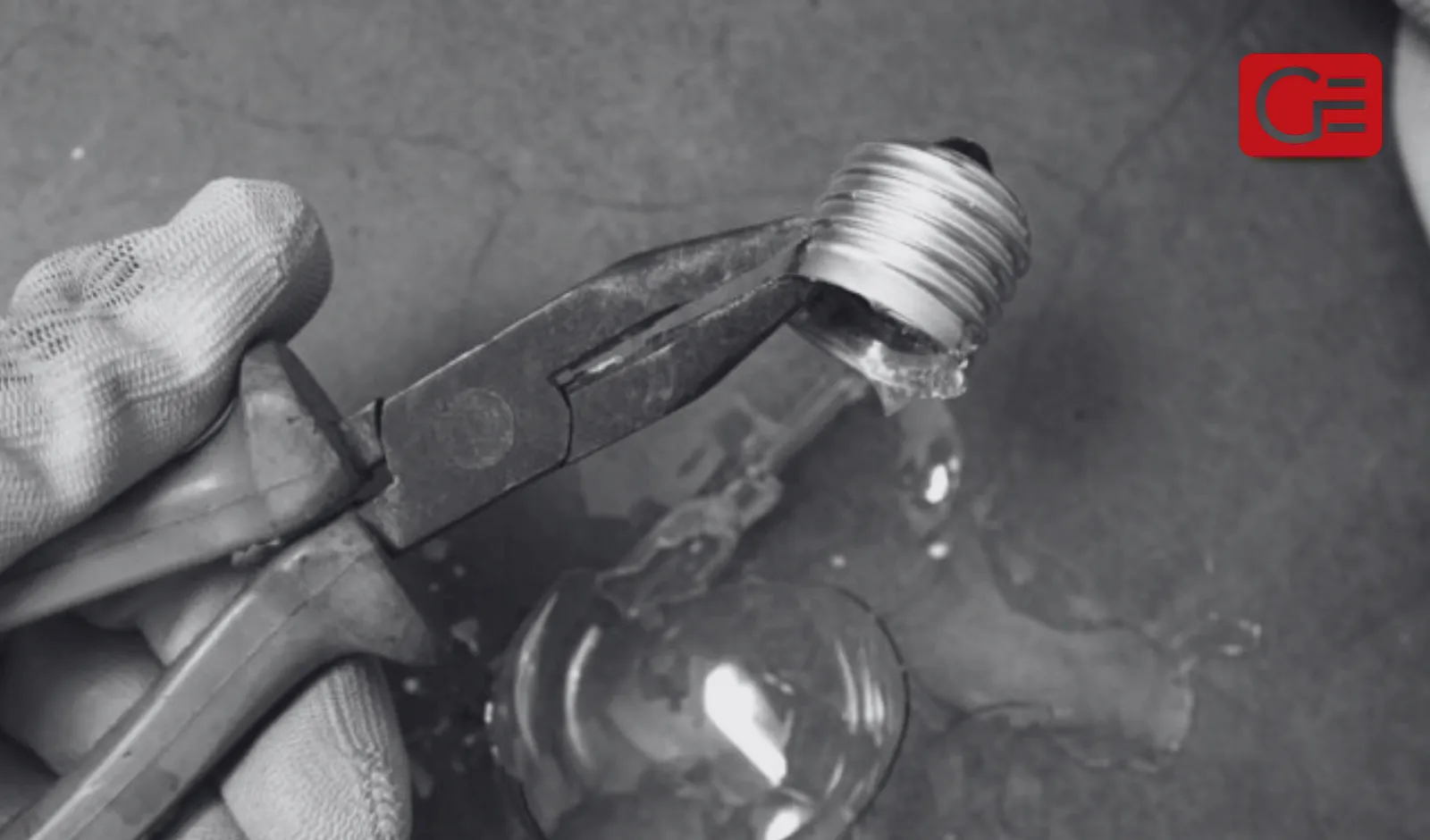

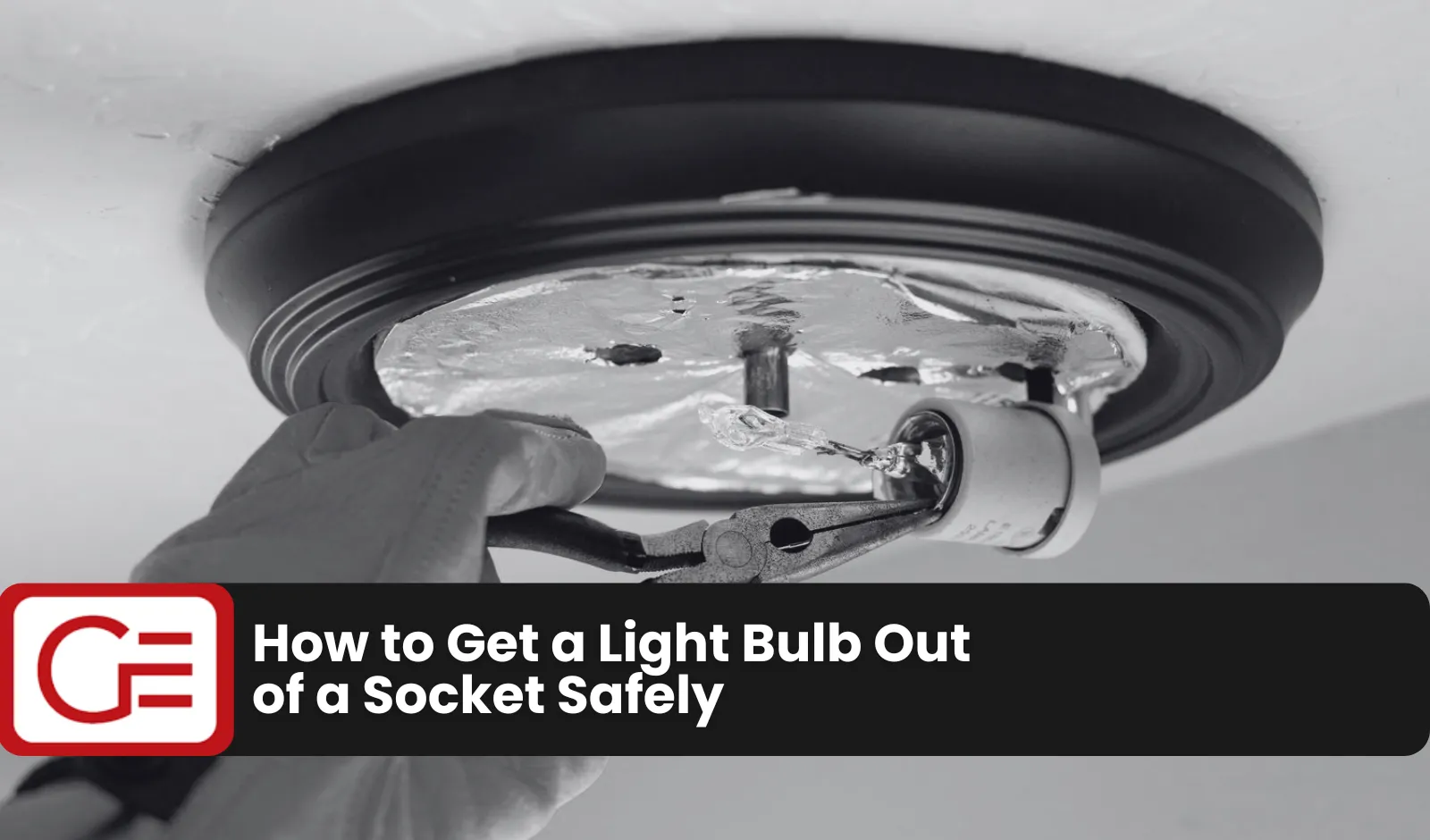
A light bulb that refuses to come out of its socket can quickly turn from a small annoyance into a safety concern. The situation becomes more serious when the bulb breaks, leaving sharp glass or the metal base stuck inside the fitting. When this happens, many people search for how to remove a broken light bulb from the socket because they are unsure how to deal with the problem safely.
Although the task may look simple, a stuck or broken light bulb introduces risks that should not be underestimated. Exposed metal, remaining glass, and the possibility of live electrical parts all increase the chance of injury. Understanding why bulbs get stuck and what makes broken bulbs dangerous is key to avoiding harm.
Why Light Bulbs Get Stuck in the Socket
Light bulbs can become difficult to remove for several reasons. One of the most common causes is heat. When a bulb is used for long periods, the metal base expands slightly. As it cools, it can tighten inside the socket, making it harder to turn counterclockwise when removal is attempted.
Other contributing factors include corrosion, dust buildup, and wear inside the socket. Over time, the screw terminals and threads may degrade, causing the base of the bulb to grip more tightly than expected. In some cases, overtightening during installation makes removal more difficult later on.
Why Broken Light Bulbs Are More Dangerous
When a bulb breaks, the situation changes. The remaining glass may shatter further with pressure, and the metal base of the bulb often stays firmly lodged inside the socket. At this point, sharp edges and broken glass create a clear risk to hands and eyes.
If power is not fully disconnected, exposed metal inside the socket may still carry electricity. Even when the switch is off, electricity can remain present at the fitting. This combination of broken glass and electrical exposure is why broken bulb removal requires extra caution.
Safety Risks You Should Be Aware Of
Removing a broken light bulb carries several risks that are often overlooked. These include:
- Cuts from broken glass or remaining glass fragments
- Injury from gripping the metal base too firmly
- Electric shock if the power is not properly isolated
- Damage to the socket when trying to unscrew the base
- Long-term wiring issues caused by internal damage
Eye protection is especially important, as small shards of glass can fall when pressure is applied. Even gentle movement can dislodge hidden fragments.
Tools People Commonly Consider Using
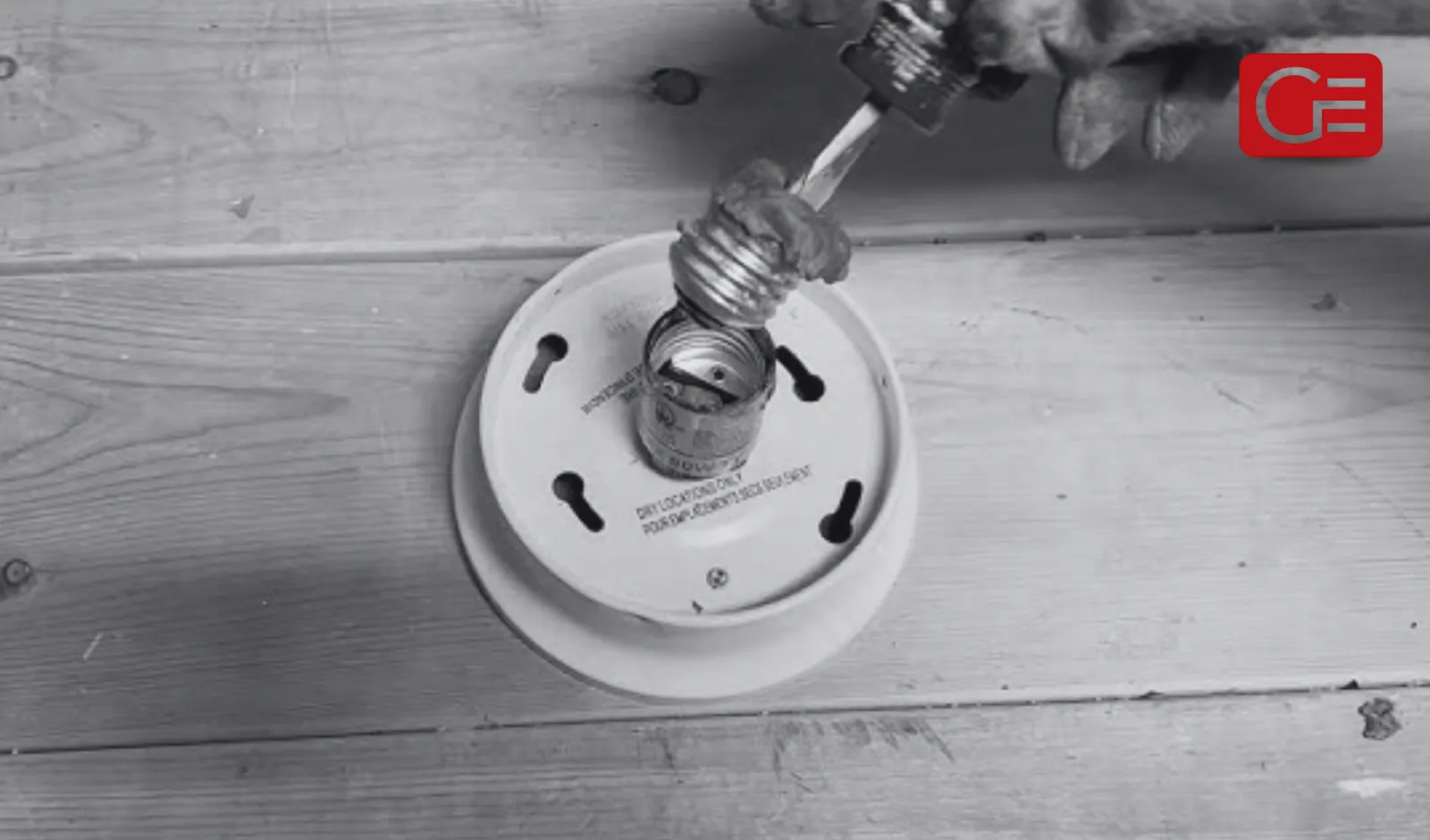
When a bulb breaks, many people look for tools at a local hardware store or around the home. Some of the commonly mentioned items include:
- A pair of needle-nosed pliers or a pair of needle-nosed grips
- Electrical tape wrapped around the base for gripping the metal
- A broken bulb extractor
- Quick-setting epoxy applied to the bulb base
- A soda bottle is used to grip the socket
- Removing the cap and attempting to twist the base
While these tools are often discussed online, they all involve direct contact with sharp edges or exposed metal. Firmly press methods or gripping the metal can easily worsen the situation if the base does not move as expected.
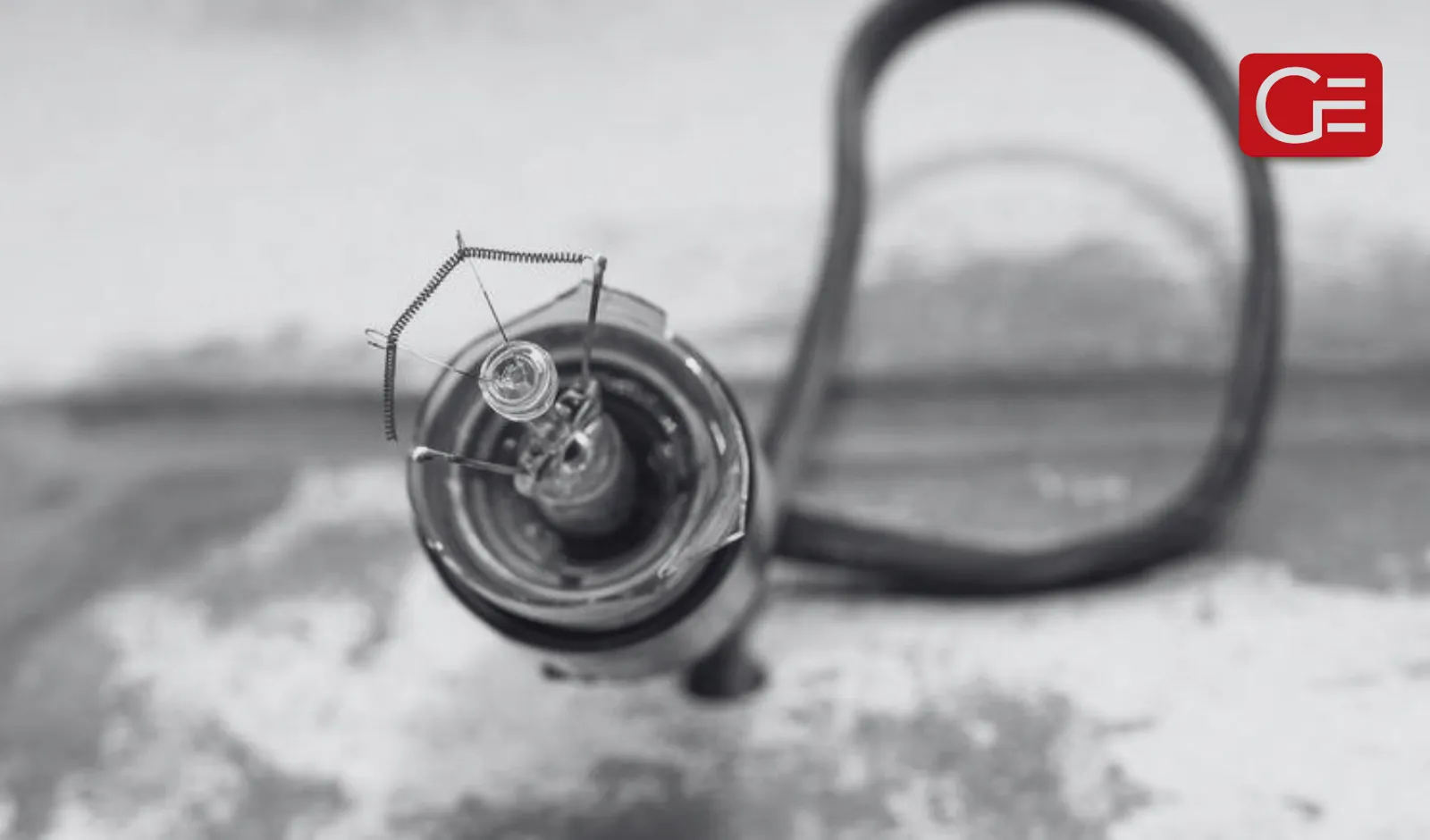
Why Forcing the Bulb Can Make Things Worse
When a bulb does not move easily, the instinct is often to apply more pressure. This is where damage commonly occurs. Forcing the bulb can bend screw terminals, strip threads, or crack the socket housing.
Applying too much pressure may also cause the remaining glass to break further, increasing the risk of injury. Even if the base moves, internal wiring can be damaged and may later require an emergency electrician.
When the Socket Is the Real Problem
In some cases, the bulb itself is not the main issue. Heat damage, corrosion, or worn internal parts inside the socket can cause repeated problems with bulb removal. Signs of socket damage include scorch marks, loose fittings, or flickering lights even after a bulb has been replaced.
If bulbs regularly stick or fail in the same fitting, the socket may need professional lighting installation, repair, or replacement. Simply removing the bulb will not address the underlying issue.
When to Stop and Seek Professional Help
There are clear situations where it is safer to stop and contact a professional electrician. These include:
- The bulb breaks and leaves sharp edges
- The base of the bulb will not turn easily
- The socket appears burnt, cracked, or damaged
- The fixture is located in a ceiling or hard-to-reach area
- You feel unsure at any point during the process
Electricians use proper tools and techniques to remove stuck bulbs safely without damaging the socket or wiring.
Final Thoughts
Knowing how to get a light bulb out of a socket can be helpful, but knowing when to stop is just as important. Broken glass, exposed metal, and live electrical parts can turn a simple task into a serious safety risk very quickly.
If a bulb comes out easily, no further action may be needed. If it does not, forcing it can lead to injury or long-term electrical damage. When there is any doubt, contacting a registered electrician is the safest way to protect both people and property.
Get Professional Help with Stuck or Broken Bulbs
If you are dealing with a broken light bulb or a base that will not unscrew, professional assistance is the safest solution.
Grammar Electrical provides reliable lighting support for homes and businesses. Our team handles stuck bulbs, damaged sockets, and lighting issues safely and in line with electrical standards. Call us today on 09 884 6611 or book online and save $15.
Auckland’s Trusted Electricians
Fast, reliable electrical repairs, installations & upgrades - available 24/7.
Book Online & Save $15



Got a question?
Contact us for a FREE installation quote or book your job online today.
Same Day Service Guarantee - Terms & Conditions

The "Same Day Service Guarantee or it's Free" applies to:
a. Residential work and Commercial only.
b. Jobs specified as needing same day service when booking a job by phone or online.
c. Residential and Commercial work booked with Grammar Electrical:
i) Before 11:00AM
ii) For calls or online bookings received after 11:00AM, the customer will be offered a job. Booking for the next business day and normal callout fees ($170+ GST) will apply.
iii) Any other jobs booked outside business hours (9:00AM - 5:00PM Monday- Friday) will incur after hours charges.
iv) This offer is excluded for jobs booked on New Zealand public holidays.
d. If Grammar Electrical are unable to attend on the same day (within 24 hours) for a job booked by the customer, the standard callout fee of $170 + GST will be waived and is free, but all other normal charges, fees and expenses will apply to perform the Electrical Services and to provide any products/materials concerning those services.
e. The Standard Callout Fee will be deducted from your bill as long as you pay within your invoice's due date. The callout charge is applicable if your invoice is overdue.
f. If Grammar Electrical are willing and able to perform the Service or provide the Goods on the same day the job is booked, however the Customer for whatever reason does not give access to their property on the day, Grammar Electrical will be deemed to have complied with it's "Same Day or it's Free" guarantee and shall be entitled to charge the customer the standard call-out fee.
g. This offer is not a guarantee of work being completed. The completion of the job will depend on stock availability and also the amount of work required.