

sdf%20-%20Copy.jpg)






.png)

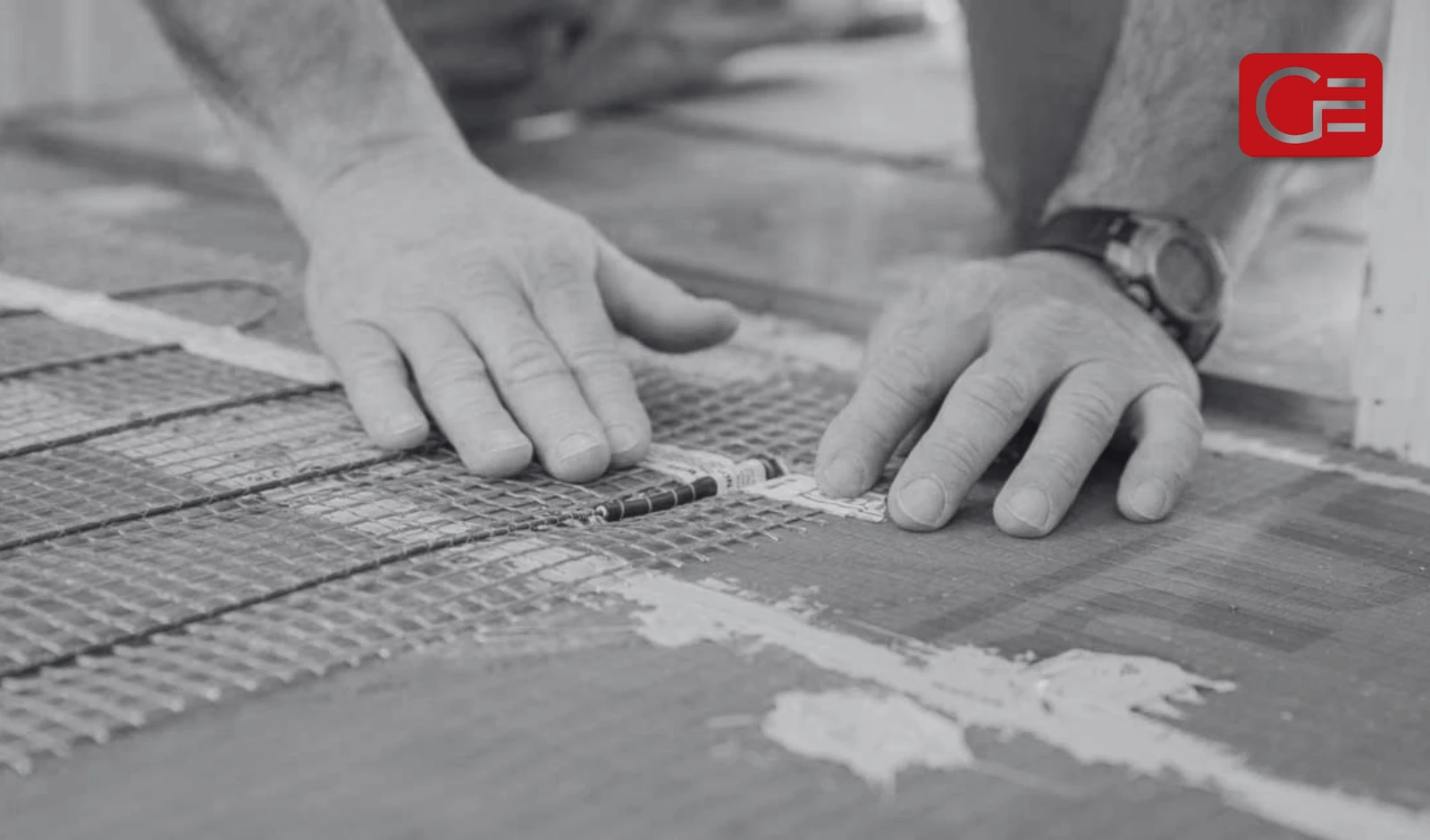


Underfloor heating is known for comfort and efficiency. It heats rooms evenly and removes the need for wall heaters. Because the system sits beneath the floor, it also creates more usable wall space. This makes rooms easier to design and arrange.
However, underfloor heating is not a project you can fully complete on your own. Some parts are safe for DIY work, while others must be done by a professional. Knowing the difference is important.
This guide explains what DIY underfloor heating really means in NZ. It shows what you can do yourself, what must be done by a registered electrician, and how to plan the work safely. If you are thinking about underfloor heating installation, this guide will help you make better decisions.
What DIY Underfloor Heating Really Means
DIY underfloor heating does not mean doing the whole job alone. In most cases, it means completing the setup and preparation work before a professional finishes the electrical side.
Some underfloor heating solutions are designed to allow homeowners to help with installation. This can save time and reduce labour costs. It can also help you understand how the system works.
However, New Zealand has strict rules for electrical work. These rules exist to keep people safe and protect homes from damage.
All electrical connections must be completed and certified by a registered electrician. This is required by law. It also protects your home insurance and ensures the system works safely in the long run.
Understanding the Underfloor Heating System
An underfloor heating system is installed beneath the floor surface. It spreads heat evenly across the room from the ground up. Instead of blowing hot air, it provides gentle heat that warms people and objects.
This type of heating feels natural and comfortable. It also helps keep room temperatures steady.
There are two main types of underfloor heating systems:
- Electric underfloor heating systems
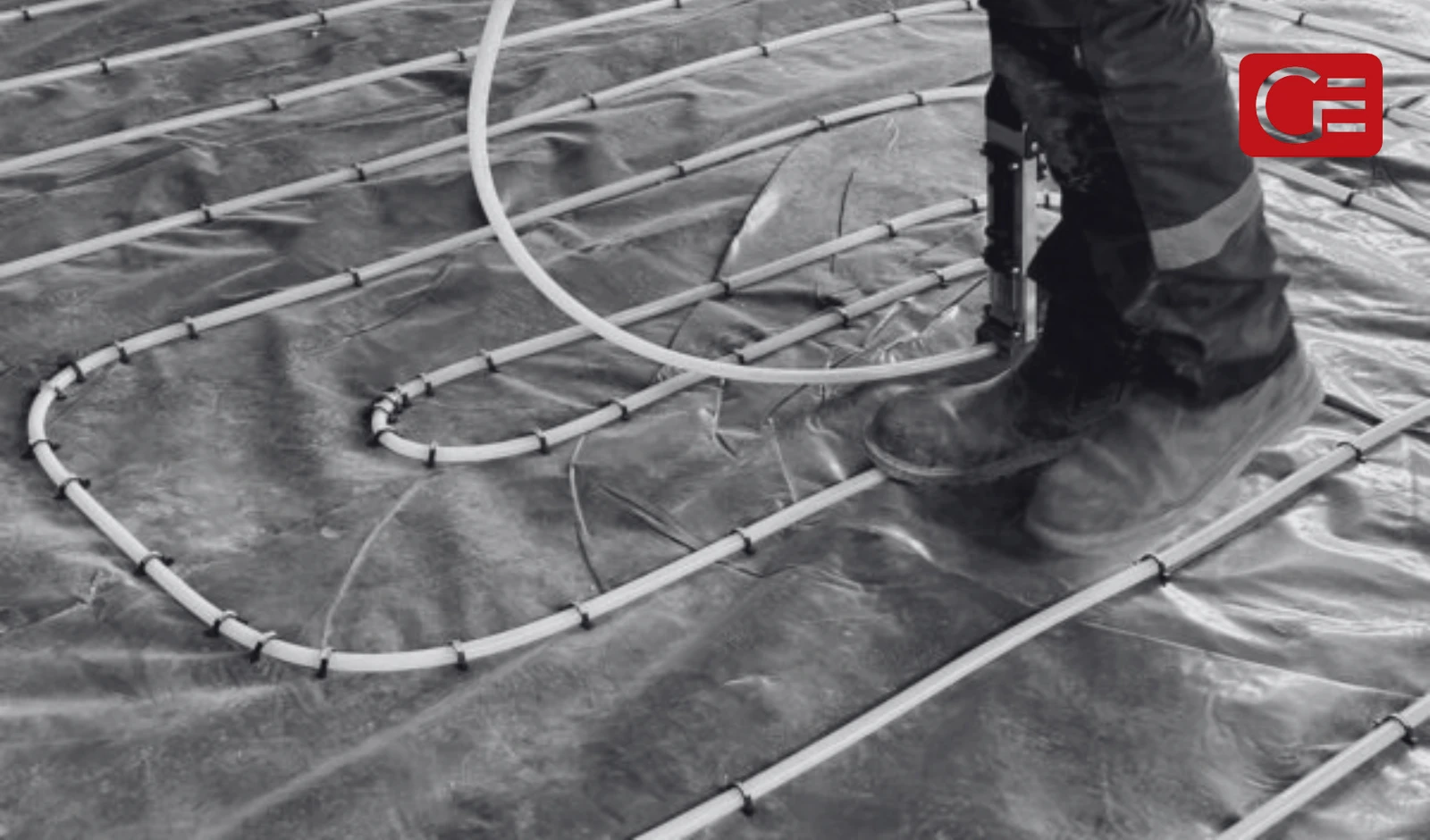
- Hydronic systems that use warm water
Electric systems are the most common choice for DIY projects in NZ. Hydronic heating systems are more complex and usually need full professional installation.
Why Electric Systems Are Better for DIY
Electric underfloor heating uses heating cables or mats. These are laid beneath the floor and connected to a thermostat. When turned on, the cables heat up and warm the floor surface.
Electric systems are better for DIY work because they are simpler to handle. They do not require plumbing and are easier to plan.
Electric systems are a good choice because:
- They are easier to install
- No plumbing work is needed
- They suit small to medium rooms
- They work well in existing homes
Homeowners can do most of the preparation work themselves. A residential electrician then completes the electrical connection safely.
What You Can Do Yourself
There are several parts of underfloor heating installation that homeowners can safely complete.
DIY-friendly tasks include:
- Measuring the room carefully
- Planning where heating cables or mats will go
- Cleaning and preparing the subfloor
- Installing insulation boards
- Laying heating mats following instructions
These tasks require patience and care. They do not need electrical skills. Doing them correctly can reduce installation time and help control costs.
What Must Be Done by a Registered Electrician
In New Zealand, all electrical work must be done by a registered electrician. This includes connecting the system to power and testing it.
A professional electrician will:
- Connect the system to the power supply
- Install thermostats and controls
- Test the system for safety
- Make sure it meets NZ standards
- Provide official certification
Trying to do this work yourself is unsafe and illegal. It can also void warranties and insurance coverage.
Why Electrical Safety Is Important
Underfloor heating systems run for long periods and stay hidden beneath the floor. Once flooring is installed, fixing problems can be difficult and expensive.
A registered electrician ensures:
- The correct electrical load is used
- Circuits are protected properly
- The system works safely in the long run
- All work meets NZ regulations
This protects your home, your family, and your investment.
Understanding Electrician Rates in NZ
Many homeowners worry about electrician rates NZ wide. Costs can vary depending on where you live, the electrician’s experience, and the size of the job.
Rates are often affected by:
- The size of the heated area
- The number of heating zones
- The type of thermostat used
- Access to wiring and the switchboard
Doing preparation work yourself can reduce the electrician’s time on site. This can help lower total costs while still meeting safety rules.

Planning for Long-Term Use
DIY underfloor heating should focus on long-term performance, not just short-term savings.
Good planning includes:
- Choosing the right insulation thickness
- Keeping correct spacing between cables
- Leaving space around fixed furniture
- Selecting floor finishes that suit heating systems
These steps help the system run efficiently and avoid problems in the long run.
Floor Compatibility and Installation Tips
Underfloor heating is installed beneath the floor, so the flooring choice matters. Some materials transfer heat better than others.
Flooring that works well includes:
- Tiles and stone
- Engineered wood
- Vinyl flooring
- Approved carpets
During underfloor heating installation, care must be taken not to damage heating cables or mats. Flooring should only be installed after the system has been tested and approved by a professional.
Common DIY Mistakes to Avoid
Many underfloor heating problems come from small DIY mistakes.
Common mistakes include:
- Skipping insulation
- Incorrect cable spacing
- Cutting heating cables
- Installing flooring too early
- Attempting electrical connections
Avoiding these mistakes helps keep the system safe and working properly.
Is DIY Underfloor Heating Right for You?
DIY underfloor heating works best for:
- Small rooms like bathrooms or bedrooms
- Renovation projects
- Homeowners who follow instructions carefully
It may not be suitable for:
- Whole-home heating systems
- Hydronic installations
- Complex room layouts
Knowing when to stop and call a professional is key to success.
Final Thoughts
DIY underfloor heating can be a smart option for homeowners who want to save money and stay involved in their home upgrades. However, it is important to understand its limits.
You can complete preparation work yourself, but a registered electrician must handle all electrical connections. This ensures safety, legal compliance, and good performance in the long run.
With careful planning, correct installation, and professional support, underfloor heating can deliver comfort and efficiency for many years.
Get Expert Support for Underfloor Heating Installation
DIY preparation can help reduce costs, but professional electrical work is essential for safety and compliance. Getting expert help at the right stage protects your home and your system.
Grammar Electrical provides reliable underfloor heating solutions for residential properties. Our experienced electricians ensure safe and compliant installations.
Call Grammar Electrical on 09 884 6611 or book online and save $15.
Auckland’s Trusted Electricians
Fast, reliable electrical repairs, installations & upgrades - available 24/7.
Book Online & Save $15



Got a question?
Contact us for a FREE installation quote or book your job online today.
Same Day Service Guarantee - Terms & Conditions

The "Same Day Service Guarantee or it's Free" applies to:
a. Residential work and Commercial only.
b. Jobs specified as needing same day service when booking a job by phone or online.
c. Residential and Commercial work booked with Grammar Electrical:
i) Before 11:00AM
ii) For calls or online bookings received after 11:00AM, the customer will be offered a job. Booking for the next business day and normal callout fees ($170+ GST) will apply.
iii) Any other jobs booked outside business hours (9:00AM - 5:00PM Monday- Friday) will incur after hours charges.
iv) This offer is excluded for jobs booked on New Zealand public holidays.
d. If Grammar Electrical are unable to attend on the same day (within 24 hours) for a job booked by the customer, the standard callout fee of $170 + GST will be waived and is free, but all other normal charges, fees and expenses will apply to perform the Electrical Services and to provide any products/materials concerning those services.
e. The Standard Callout Fee will be deducted from your bill as long as you pay within your invoice's due date. The callout charge is applicable if your invoice is overdue.
f. If Grammar Electrical are willing and able to perform the Service or provide the Goods on the same day the job is booked, however the Customer for whatever reason does not give access to their property on the day, Grammar Electrical will be deemed to have complied with it's "Same Day or it's Free" guarantee and shall be entitled to charge the customer the standard call-out fee.
g. This offer is not a guarantee of work being completed. The completion of the job will depend on stock availability and also the amount of work required.