

sdf%20-%20Copy.jpg)






.png)


Good airflow is important for a comfortable and healthy home. Without proper ventilation, moisture, pollutants, and stale air can build up indoors. This can lead to condensation on windows, damp areas, and unpleasant indoor conditions.
A home ventilation system helps solve these problems by bringing fresh air into the house and removing stale indoor air. These systems help reduce moisture, improve airflow, and support reducing condensation in many homes. Many homeowners ask about the cost before installing a system. The total cost depends on several factors, including the type of system, the size of the home, and the complexity of the installation.
Understanding how much the cost is starts with learning what affects pricing and how these systems work.

Why Homes Need Ventilation Systems
Modern homes are often built to be airtight to improve insulation and energy performance. While this can make heating and cooling more efficient, it can also trap moisture and indoor pollutants.
Common issues caused by poor airflow include:
- Condensation on windows
- Damp or musty smells
- Mould growth
- Poor indoor air quality
A home ventilation system replaces stale air with fresh air from outside. This helps maintain a healthier indoor environment and improves comfort in the home.
Factors That Affect Home Ventilation Systems Cost
The overall cost can vary depending on several factors. Every home has different requirements, so system design and installation can affect the final cost.
Type of Ventilation System:
One of the main factors affecting cost is the type of ventilation system chosen. Different systems manage airflow in different ways and require different equipment.
Common types include:
- Positive pressure systems
- Heat recovery ventilation systems
- Balanced airflow systems
Each option has unique features and installation requirements.
Size of the Home:
The size of the home also affects the system design. Larger homes often require more vents, ducting, and equipment.
Some systems may be designed for single rooms, while others are built to ventilate the entire house. More rooms usually require more airflow distribution, which can increase installation complexity.
Roof Space and Installation Access:
Many home ventilation systems are installed in the roof cavity. This area allows ducts and equipment to distribute air throughout the house.
The condition and accessibility of the roof cavity can affect home ventilation installation. Limited space or structural challenges may require additional planning during installation. Proper placement in the roof space helps ensure airflow moves efficiently through the home.
System Features and Controls:
Some ventilation systems include advanced features that can affect the overall cost.
Modern systems may include:
- Fully automated airflow controls
- Sensors that detect humidity or temperature
- Advanced filters
- Smart system controls
These features can improve comfort and performance while helping maintain healthy indoor air.
Positive Pressure Ventilation Systems:
Positive-pressure systems are commonly used in many homes. These systems draw air from the roof cavity, filter it, and push it into the home. The airflow creates gentle pressure inside the house, which helps push stale air out through small gaps and vents.
Benefits of positive pressure ventilation include:
- Helping reduce moisture in the home
- Supporting reducing condensation
- Improving indoor airflow
- Simple operation
These systems are designed to improve airflow while helping maintain comfortable indoor conditions.
Heat Recovery Ventilation Systems:
Another option is heat recovery ventilation, which is commonly used in modern homes. These systems include technology that transfers heat between two air streams.
The process works like this:
- Warm stale air leaves the home
- The system captures heat from the outgoing air
- That heat is transferred to the incoming fresh air
This process helps maintain comfortable indoor temperatures while still allowing ventilation.
Because these systems balance airflow and temperature, they are often designed to be energy efficient.
Benefits of Installing a Home Ventilation System
Installing a home ventilation system offers several advantages for homeowners.
- Improved Indoor Air Quality - ventilation helps remove pollutants and replace stale air with fresh air from outside.
- Reduced Moisture and Condensation - ventilation systems help reduce moisture and support reducing condensation inside the home.
- Better Comfort in Living Areas - improved airflow helps maintain a comfortable indoor environment throughout the home.
- Energy Efficient Airflow - Many modern ventilation solutions are designed to be energy-efficient while maintaining healthy air circulation.
Why Professional Installation Matters
Correct installation plays a major role in how well a ventilation system works.
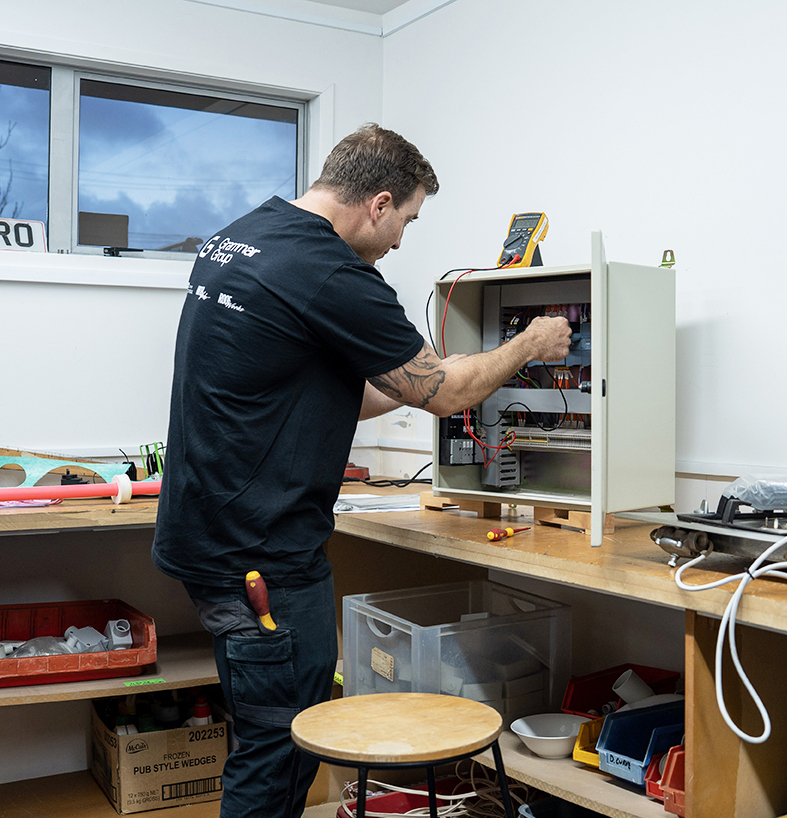
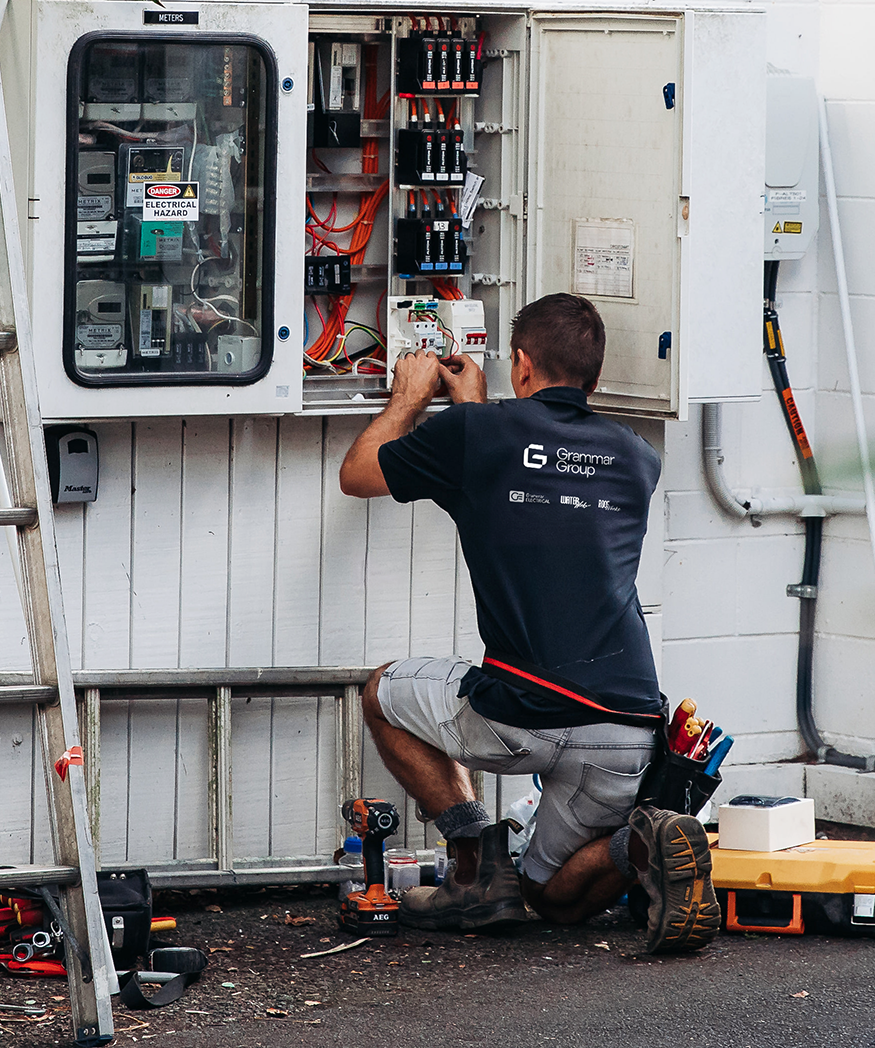
A registered electrician or experienced residential electrician can safely install the ventilation equipment and ensure the system works properly with your home’s electrical system.
Professional installation helps ensure:
- Safe electrical connections
- Proper system placement
- Balanced airflow through the home
- Reliable system performance
Proper installation helps ensure the ventilation system operates safely and efficiently.
Final Thoughts
The total cost of ventilation systems can vary depending on the system type, the size of the home, and installation requirements. Options such as positive pressure systems and heat recovery ventilation provide different benefits depending on the needs of the home.
A well-designed home ventilation system helps bring fresh air into the house, remove stale air, and support healthier indoor air conditions.
With proper installation and maintenance, ventilation systems can help create a more comfortable and healthier living environment.
Professional Home Ventilation Installation
A properly installed home ventilation system helps improve airflow, remove stale air, and reduce moisture inside your home. Professional installation ensures the system operates safely and efficiently.
Give Grammar Electrical a call on 09 884 6611 or book online and save $15.
Auckland’s Trusted Electricians
Fast, reliable electrical repairs, installations & upgrades - available 24/7.
Book Online & Save $15



Got a question?
Contact us for a FREE installation quote or book your job online today.
Same Day Service Guarantee - Terms & Conditions

The "Same Day Service Guarantee or it's Free" applies to:
a. Residential work and Commercial only.
b. Jobs specified as needing same day service when booking a job by phone or online.
c. Residential and Commercial work booked with Grammar Electrical:
i) Before 11:00AM
ii) For calls or online bookings received after 11:00AM, the customer will be offered a job. Booking for the next business day and normal callout fees ($170+ GST) will apply.
iii) Any other jobs booked outside business hours (9:00AM - 5:00PM Monday- Friday) will incur after hours charges.
iv) This offer is excluded for jobs booked on New Zealand public holidays.
d. If Grammar Electrical are unable to attend on the same day (within 24 hours) for a job booked by the customer, the standard callout fee of $170 + GST will be waived and is free, but all other normal charges, fees and expenses will apply to perform the Electrical Services and to provide any products/materials concerning those services.
e. The Standard Callout Fee will be deducted from your bill as long as you pay within your invoice's due date. The callout charge is applicable if your invoice is overdue.
f. If Grammar Electrical are willing and able to perform the Service or provide the Goods on the same day the job is booked, however the Customer for whatever reason does not give access to their property on the day, Grammar Electrical will be deemed to have complied with it's "Same Day or it's Free" guarantee and shall be entitled to charge the customer the standard call-out fee.
g. This offer is not a guarantee of work being completed. The completion of the job will depend on stock availability and also the amount of work required.