

sdf%20-%20Copy.jpg)








.png)






Underfloor heating is a modern alternative to traditional heating systems that rely on radiators. Instead of heating air from a single point, it warms the entire floor surface, creating a more comfortable and balanced indoor environment. This method is increasingly used in both new builds and existing homes due to its efficiency, comfort, and compatibility with modern heating technology.
Understanding how underfloor heating works can help homeowners decide whether it is the right solution for their space. This guide explains the system, the different types available, and what to expect when installing underfloor heating.
What Is an Underfloor Heating System?
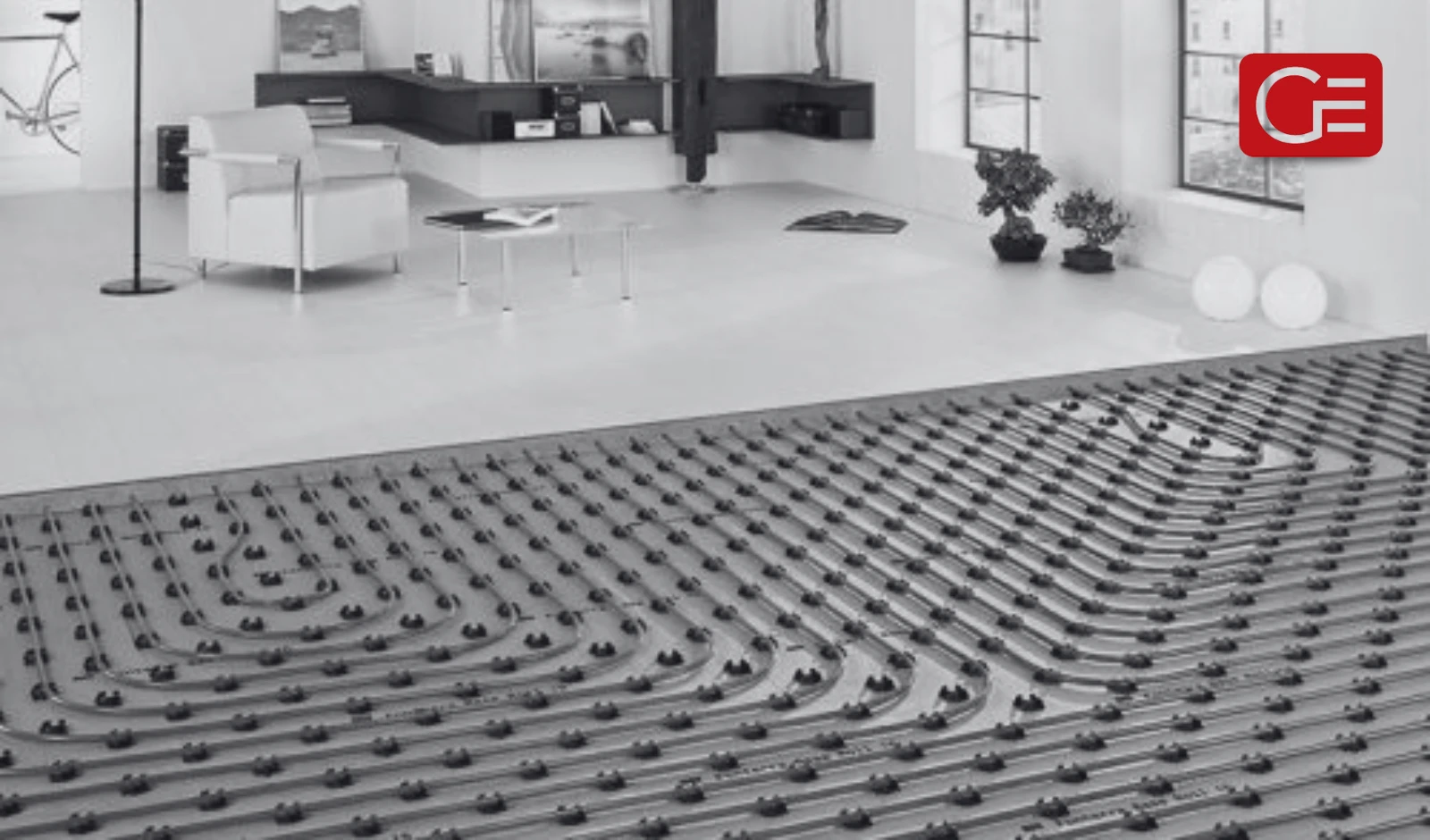
An underfloor heating system is installed beneath the finished floor and provides heat across the entire room. During underfloor heating installation, the system is fitted below the surface so that once activated, it gently warms the floor, allowing heat to rise naturally and evenly. This results in a more consistent temperature and helps create a comfortable living space without cold spots.
Because the system spreads heat across a wide area, it does not need to operate at high temperatures. This makes it a cost-effective and energy-efficient option compared to traditional central heating systems that rely on radiator heating.
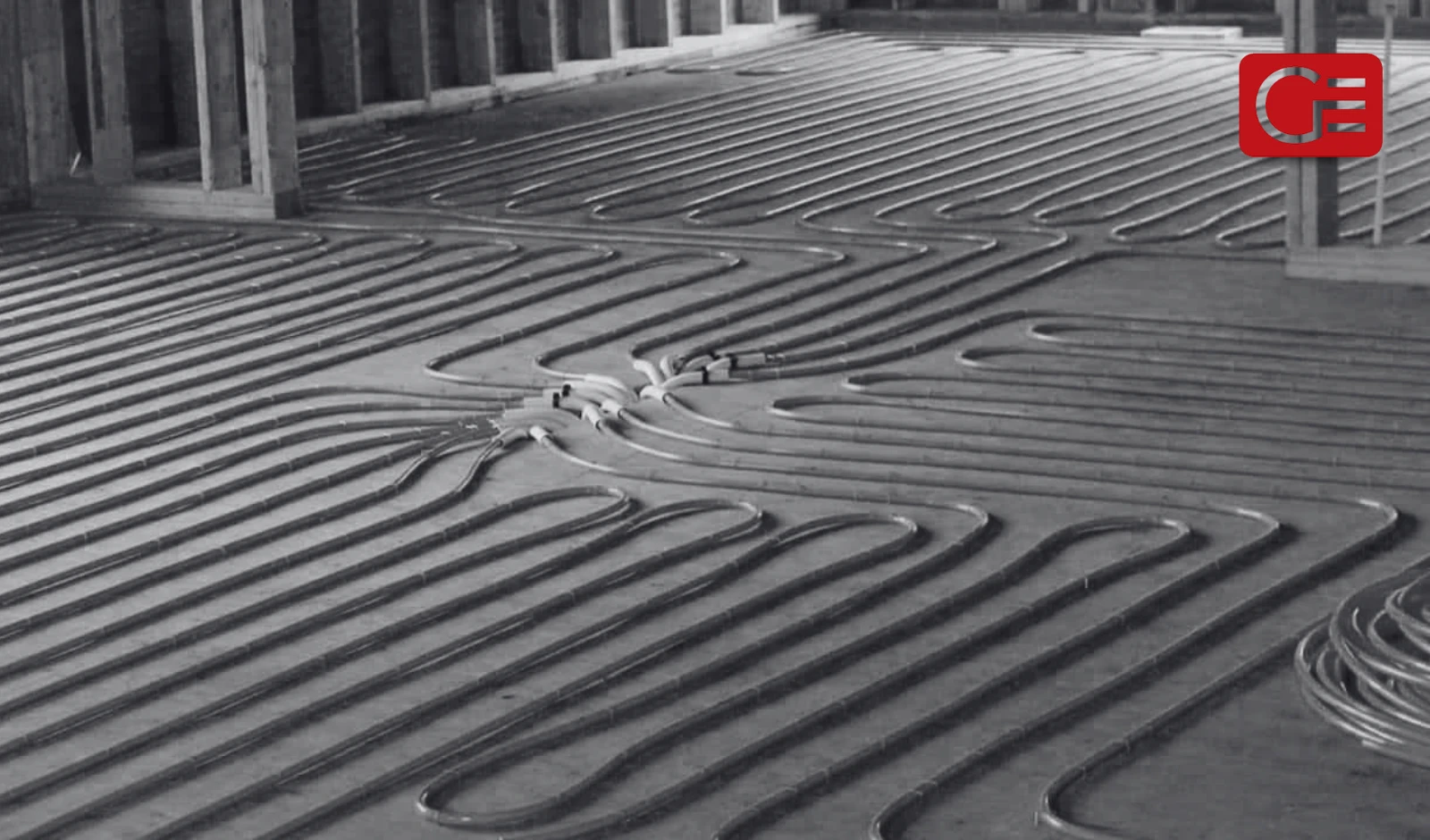
Types of Underfloor Heating
There are two main types of underfloor heating systems, and each works differently.
Electric Underfloor Heating:
Electric underfloor heating uses heating cables or mats installed beneath the floor. When electricity flows through the cables, they generate heat that warms the floor surface above.
This type of floor heating is commonly used in bathrooms, kitchens, and smaller areas. It is also suitable for existing homes because installation is relatively straightforward. A registered electrician is required to safely connect the system, and an emergency electrician may be needed if electrical faults occur.
Water-Based Underfloor Heating:
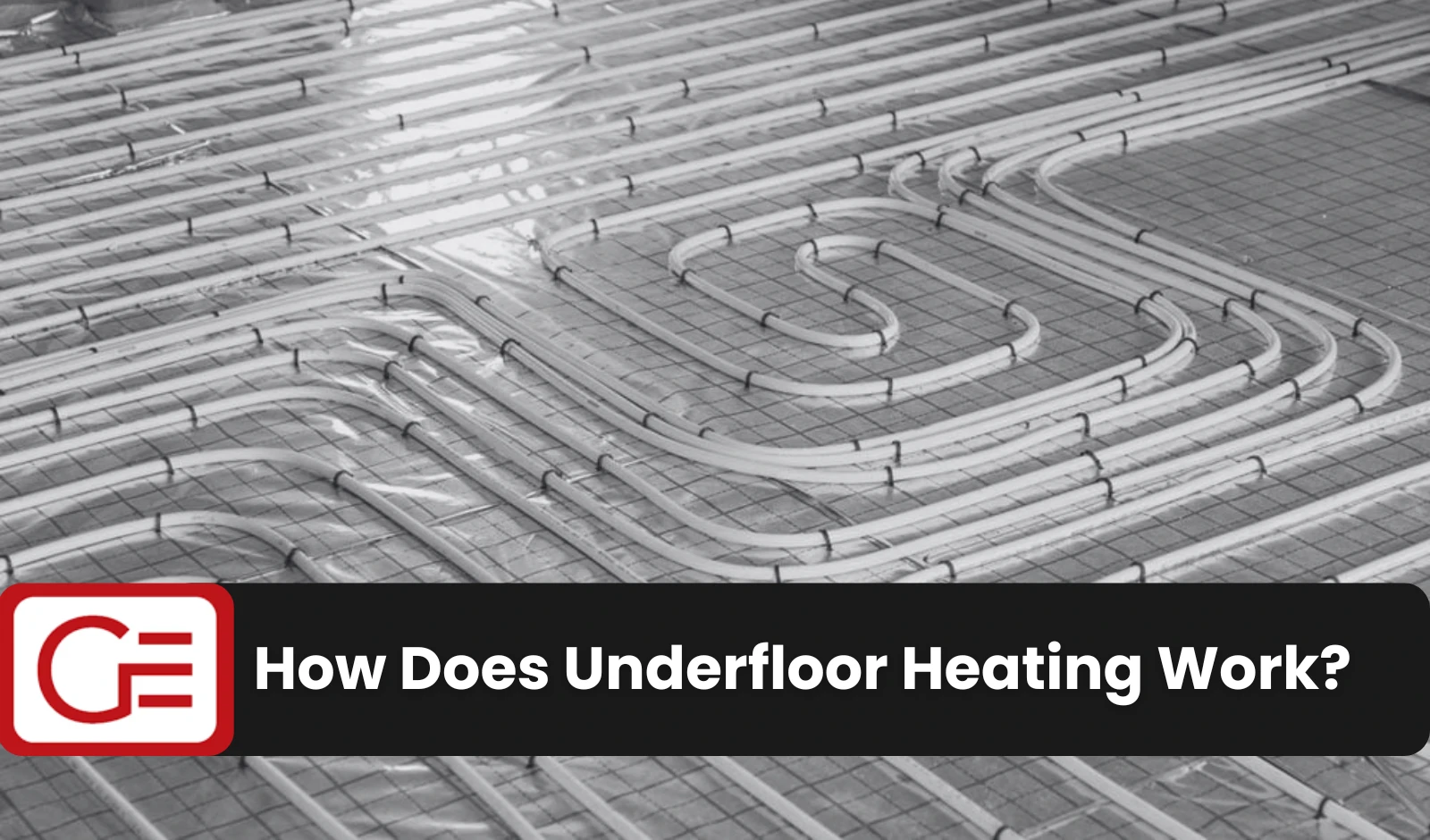
Water-based systems use pipes beneath the floor that circulate heated water. The hot water is supplied by a boiler, heat pump, or other central heating source.
This system is ideal for larger areas and whole-house heating. It works efficiently with modern heating systems and is often installed during new builds or major renovation projects that involve extensive heating work.
How the System Works
The system works through a simple process. Insulation is placed beneath the heating elements to reduce heat loss. Heating cables or water pipes are laid evenly across the floor area.
When the system is switched on, the electric cables heat up or heated water flows through the pipes. The floor surface gradually warms, and heat rises evenly into the room. This creates a stable indoor temperature that feels natural and comfortable.
Underfloor Heating Compared to Radiator Heating
Radiator heating releases heat from specific points in a room, which can cause uneven temperature distribution. Warm air rises quickly, often leaving cooler air near the floor.
Underfloor heating spreads heat evenly across the entire floor surface. Because it operates at lower temperatures and covers a larger area, it delivers more efficient heating. This approach improves comfort and can reduce long-term energy use.

Installing Underfloor Heating
Installing underfloor heating depends on the system type and the property layout. Electric systems are quicker to install and are suitable for single rooms or upgrades. Water-based systems require more planning and professional heating work.
Electric systems must be installed by a registered electrician to ensure safety and compliance. Water-based systems are installed by heating specialists and are often connected to existing heating systems or a heat pump.
With proper preparation, underfloor heating can be installed in existing homes, making it a practical option for renovations.
Suitable Floor Types
Underfloor heating works with many types of floor materials. Tile and stone are excellent options because they conduct heat efficiently. Engineered wood, vinyl, and certain carpets can also be used if they are compatible with floor heating systems.
Selecting the right floor surface helps ensure the system works efficiently and delivers consistent warmth throughout the space.
Energy Efficiency and Running Costs
Underfloor heating is known for being energy efficient. Because it operates at lower temperatures and distributes heat evenly, it uses less energy to maintain comfort.
When paired with a heat pump or modern central heating setup, underfloor heating becomes an even more efficient heating solution. Over time, this can lead to lower running costs and improved energy performance.
Final Thoughts
Underfloor heating offers a comfortable and efficient way to heat a home. By warming the floor surface evenly, it eliminates cold spots and creates a balanced indoor environment. Whether using electric underfloor heating or a water-based system, proper installation and system design are essential for long-term performance.
For homeowners seeking efficient heating that works well with modern heating systems and various types of floor, underfloor heating is a practical and reliable solution.
Get Help with Underfloor Heating Installation
If you are considering underfloor heating or experiencing issues with an existing system, professional support is the safest and most effective option. Proper installation ensures your system works efficiently and meets current safety standards.
Grammar Electrical provides reliable electrical and heating services for homes and businesses. Our team handles electric underfloor heating, system upgrades, and related heating work safely and in line with current standards.
Call Grammar Electrical on 09 884 6611 or book online and save $15.
Auckland’s Trusted Electricians
Fast, reliable electrical repairs, installations & upgrades - available 24/7.
Book Online & Save $15




Got a question?
Contact us for a FREE installation quote or book your job online today.
Same Day Service Guarantee - Terms & Conditions

The "Same Day Service Guarantee or it's Free" applies to:
a. Residential work and Commercial only.
b. Jobs specified as needing same day service when booking a job by phone or online.
c. Residential and Commercial work booked with Grammar Electrical:
i) Before 11:00AM
ii) For calls or online bookings received after 11:00AM, the customer will be offered a job. Booking for the next business day and normal callout fees ($170+ GST) will apply.
iii) Any other jobs booked outside business hours (9:00AM - 5:00PM Monday- Friday) will incur after hours charges.
iv) This offer is excluded for jobs booked on New Zealand public holidays.
d. If Grammar Electrical are unable to attend on the same day (within 24 hours) for a job booked by the customer, the standard callout fee of $170 + GST will be waived and is free, but all other normal charges, fees and expenses will apply to perform the Electrical Services and to provide any products/materials concerning those services.
e. The Standard Callout Fee will be deducted from your bill as long as you pay within your invoice's due date. The callout charge is applicable if your invoice is overdue.
f. If Grammar Electrical are willing and able to perform the Service or provide the Goods on the same day the job is booked, however the Customer for whatever reason does not give access to their property on the day, Grammar Electrical will be deemed to have complied with it's "Same Day or it's Free" guarantee and shall be entitled to charge the customer the standard call-out fee.
g. This offer is not a guarantee of work being completed. The completion of the job will depend on stock availability and also the amount of work required.