

sdf%20-%20Copy.jpg)







.png)

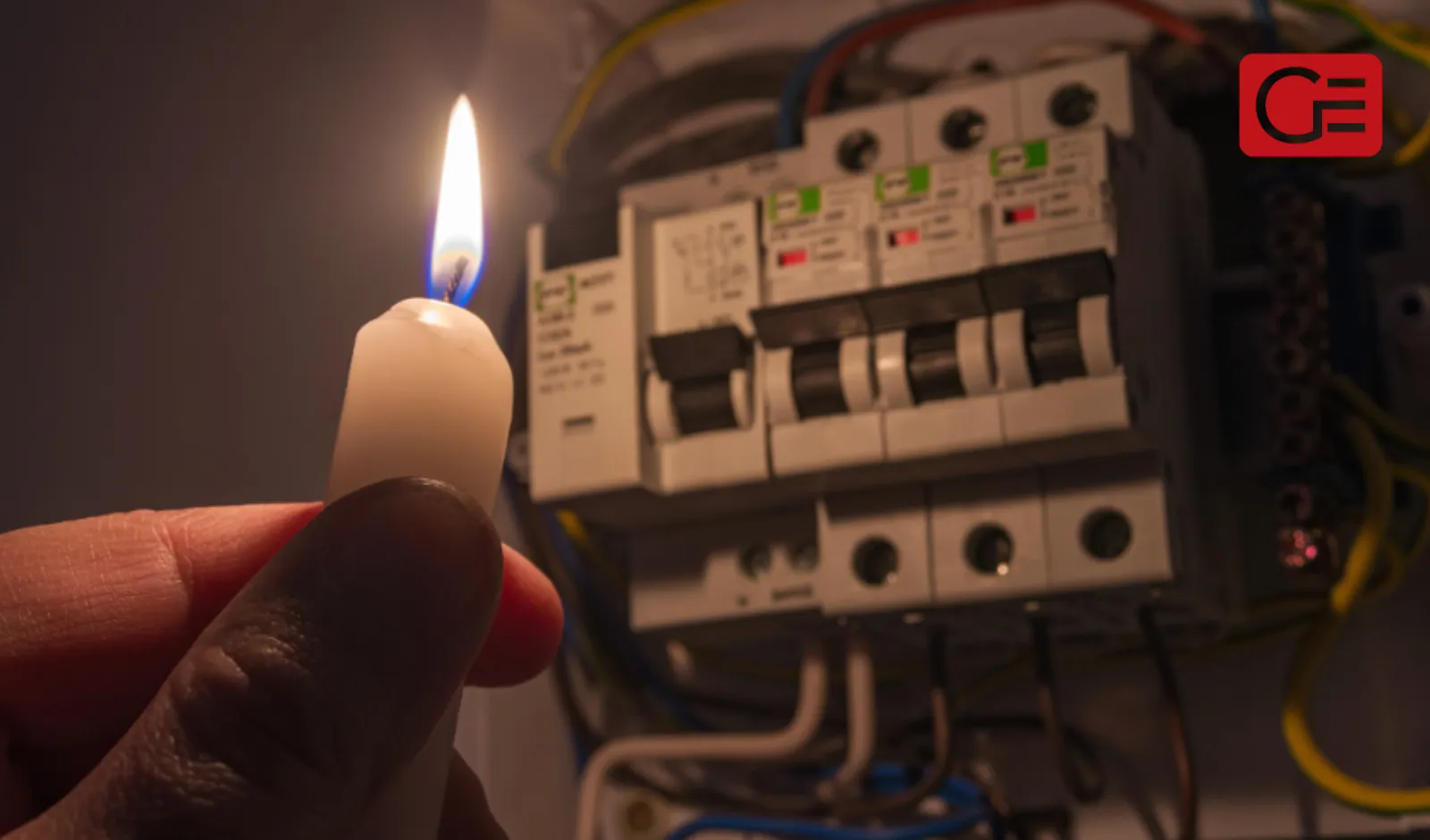


If part of your home suddenly loses power or a few lights go out, it might be more than a tripping circuit breaker, you could be dealing with a blown fuse. These issues often feel similar, which is why many Auckland homeowners call us asking how to know if a fuse is blown and what steps they can take safely before getting a professional involved.
Here’s a simple guide to help you recognise the signs, understand what’s actually happening in your fuse box, and decide what to do next.
What Does a Fuse Do?
A fuse is a small safety device in your electrical panel designed to protect circuits from overloading.
When too much current flows through, the thin metal wire inside melts. When a fuse blows, it disconnects power to stop excessive current and prevent fire or heat damage.
Fuses and circuit breakers serve the same purpose, but you must replace fuses once they blow, while you can reset breakers.

How to Check If the Fuse Is Blown
Follow these steps carefully:
- Turn off power to the circuit or main switch before touching anything.
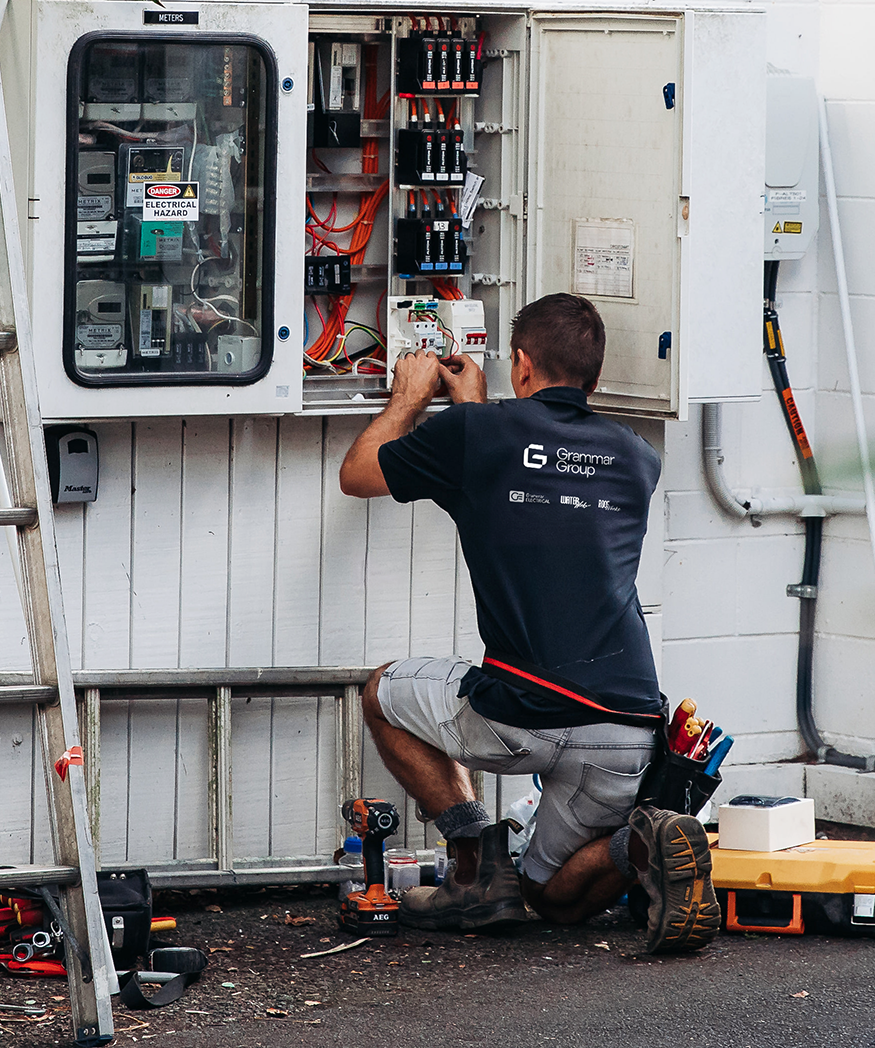
- Locate your fuse box (usually beside the switchboard).
- Look for signs of damage: a discoloured glass window, melted metal strip, or burnt smell.
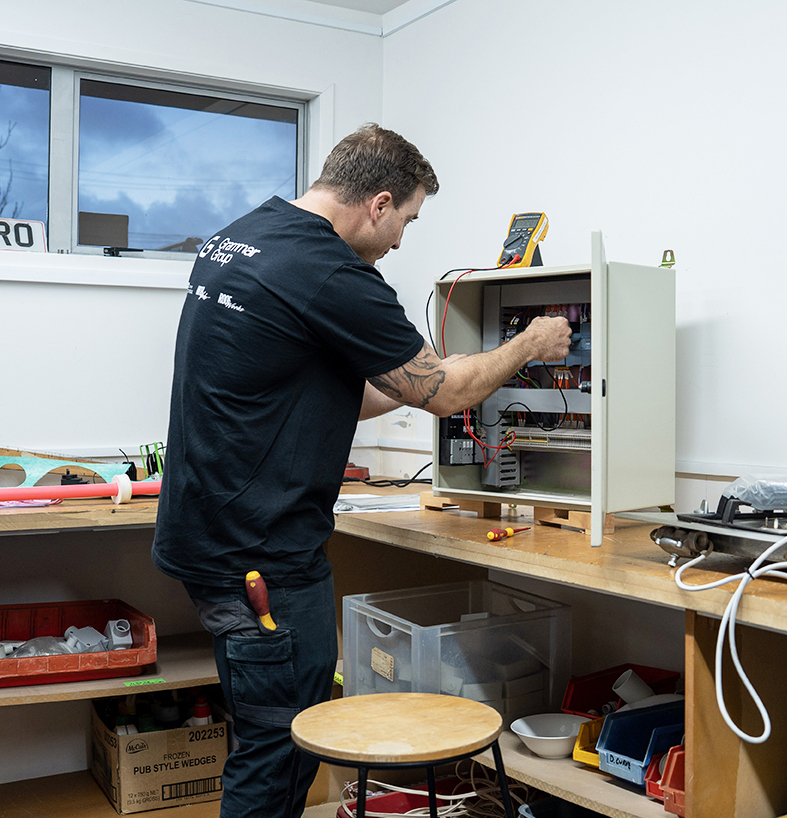
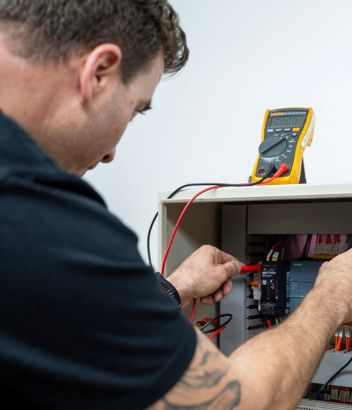
- Use a continuity tester or multimeter if you have one. no reading means the fuse has blown.
- Replace the fuse only with one of the same amp rating.
Safety tip: If the new fuse blows again right away, stop. There’s likely a deeper wiring fault that needs a professional electrician.
Common Signs of a Blown Fuse
- Power is lost in only one room or circuit.
- Lights are dim or completely off in certain areas.
- Some appliances won’t start even though others work.
- You see black marks or melted sections in the fuse holder.
These are clear indicators that it’s time to check your fuses or call an electrician if you’re unsure.
Why Do Fuses Blow?
Fuses can blow for several reasons:
- Overloaded circuits caused by many devices plugged and running at once.
- Faulty appliances causing excessive current.
- Damaged wiring or loose connections.
- Old fuses that can’t handle today’s energy demands.
If fuses keep blowing repeatedly, the issue may not be the fuse itself but a larger electrical fault.
What to Do After Checking the Fuse
If you’ve confirmed it’s blown and safely replaced it, monitor your system.
If lights flicker, appliances trip power again, or another fuse blows soon after, call Grammar Electrical.
Our Registered Electricians can diagnose whether the issue lies in the circuit, appliance, or wiring and make your system safe again.
When to Call a Licensed Electrician
You should call an electrician if:
- You’re unsure how to check if the fuse is blown safely.
- There’s visible burning or a strong smell near the fuse box.
- Power keeps going out on the same circuit.
- Your home still uses an old re-wirable fuse box.
Replacing fuses without identifying the root cause can increase the risk of electrical hazards or fires.
Upgrade to a Safer System
Modern homes use circuit breakers and RCDs (Residual Current Devices) instead of old fuse boxes.
If you’re still using traditional fuses, it’s time to consider an electrical panel upgrade for added safety, convenience, and compliance with NZ standards.

Your Trusted Experts for Safe and Reliable Power
Knowing how to tell if a fuse is blown is helpful, but long-term safety comes from having your electrical system checked by a professional. If you’re dealing with repeated fuse issues, power loss, or signs of an overloaded switchboard, it may be time for an inspection or upgrade.
Grammar Electrical offers 24-hour Emergency Electricians along with scheduled fuse replacements, safety checks, and full switchboard upgrades to keep your home running safely and efficiently.
Call us today on 09 884 6611 or book online and save $15 to ensure your home stays protected and powered with confidence.
Auckland’s Trusted Electricians
Fast, reliable electrical repairs, installations & upgrades - available 24/7.
Book Online & Save $15



Got a question?
Contact us for a FREE installation quote or book your job online today.
Same Day Service Guarantee - Terms & Conditions

The "Same Day Service Guarantee or it's Free" applies to:
a. Residential work and Commercial only.
b. Jobs specified as needing same day service when booking a job by phone or online.
c. Residential and Commercial work booked with Grammar Electrical:
i) Before 11:00AM
ii) For calls or online bookings received after 11:00AM, the customer will be offered a job. Booking for the next business day and normal callout fees ($170+ GST) will apply.
iii) Any other jobs booked outside business hours (9:00AM - 5:00PM Monday- Friday) will incur after hours charges.
iv) This offer is excluded for jobs booked on New Zealand public holidays.
d. If Grammar Electrical are unable to attend on the same day (within 24 hours) for a job booked by the customer, the standard callout fee of $170 + GST will be waived and is free, but all other normal charges, fees and expenses will apply to perform the Electrical Services and to provide any products/materials concerning those services.
e. The Standard Callout Fee will be deducted from your bill as long as you pay within your invoice's due date. The callout charge is applicable if your invoice is overdue.
f. If Grammar Electrical are willing and able to perform the Service or provide the Goods on the same day the job is booked, however the Customer for whatever reason does not give access to their property on the day, Grammar Electrical will be deemed to have complied with it's "Same Day or it's Free" guarantee and shall be entitled to charge the customer the standard call-out fee.
g. This offer is not a guarantee of work being completed. The completion of the job will depend on stock availability and also the amount of work required.