

sdf%20-%20Copy.jpg)







.png)

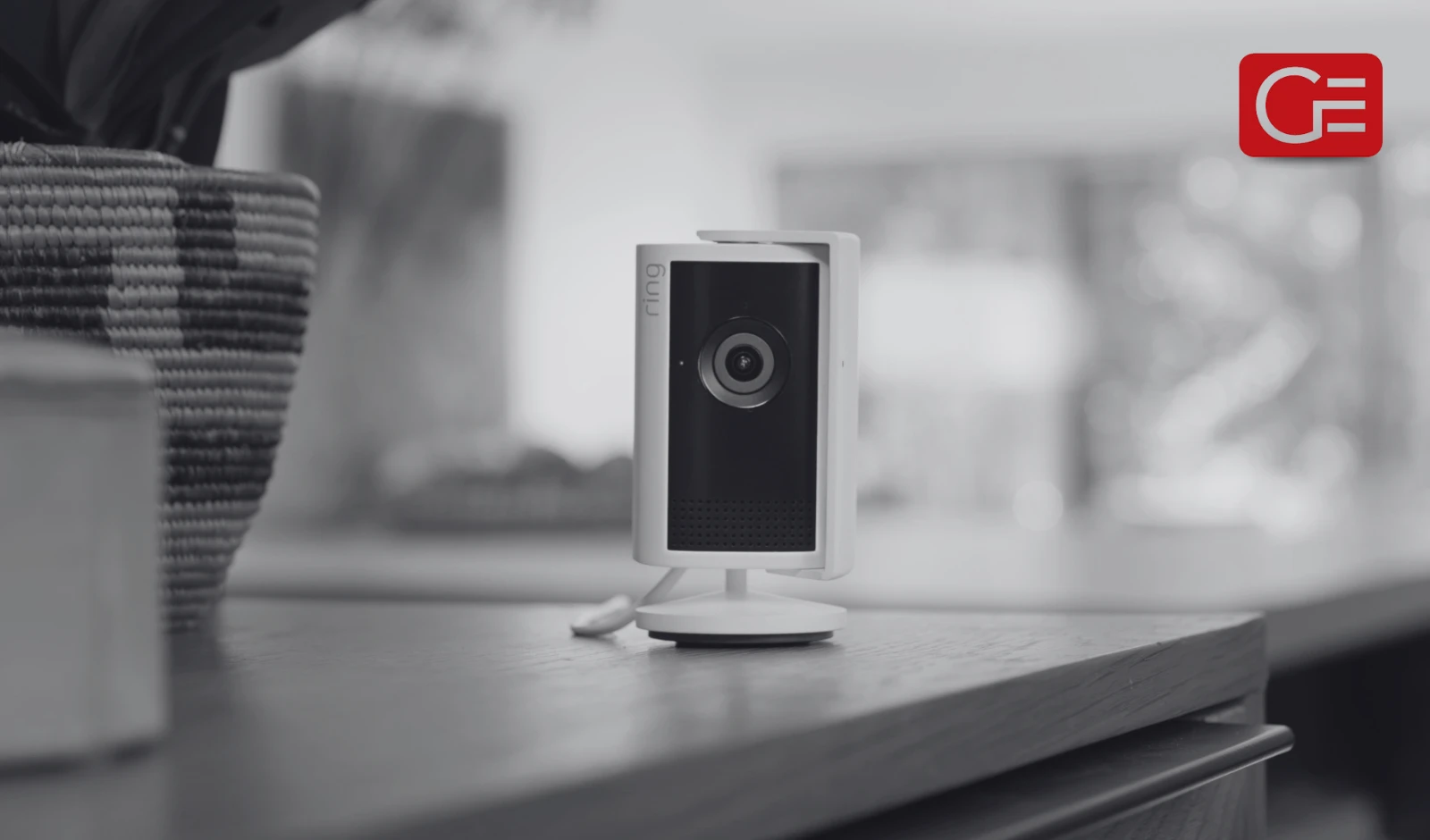

When installing security systems, one of the first things to decide is how to power security cameras. A steady power supply keeps cameras working all day and night. Without reliable power, cameras may stop recording when you need them most.
Modern security cameras come in many styles. Some are wired. Some are wireless. Some use solar panels. Others use rechargeable batteries. Choosing the right security camera power option helps improve performance and reduce future problems.
This guide explains the main ways cameras get power and what to consider before setting up your camera system.
Main Power Sources for Security Cameras
Security cameras can use several types of power sources. The right choice depends on your home layout and camera location.
Common power options include:
- Plugging into a power outlet
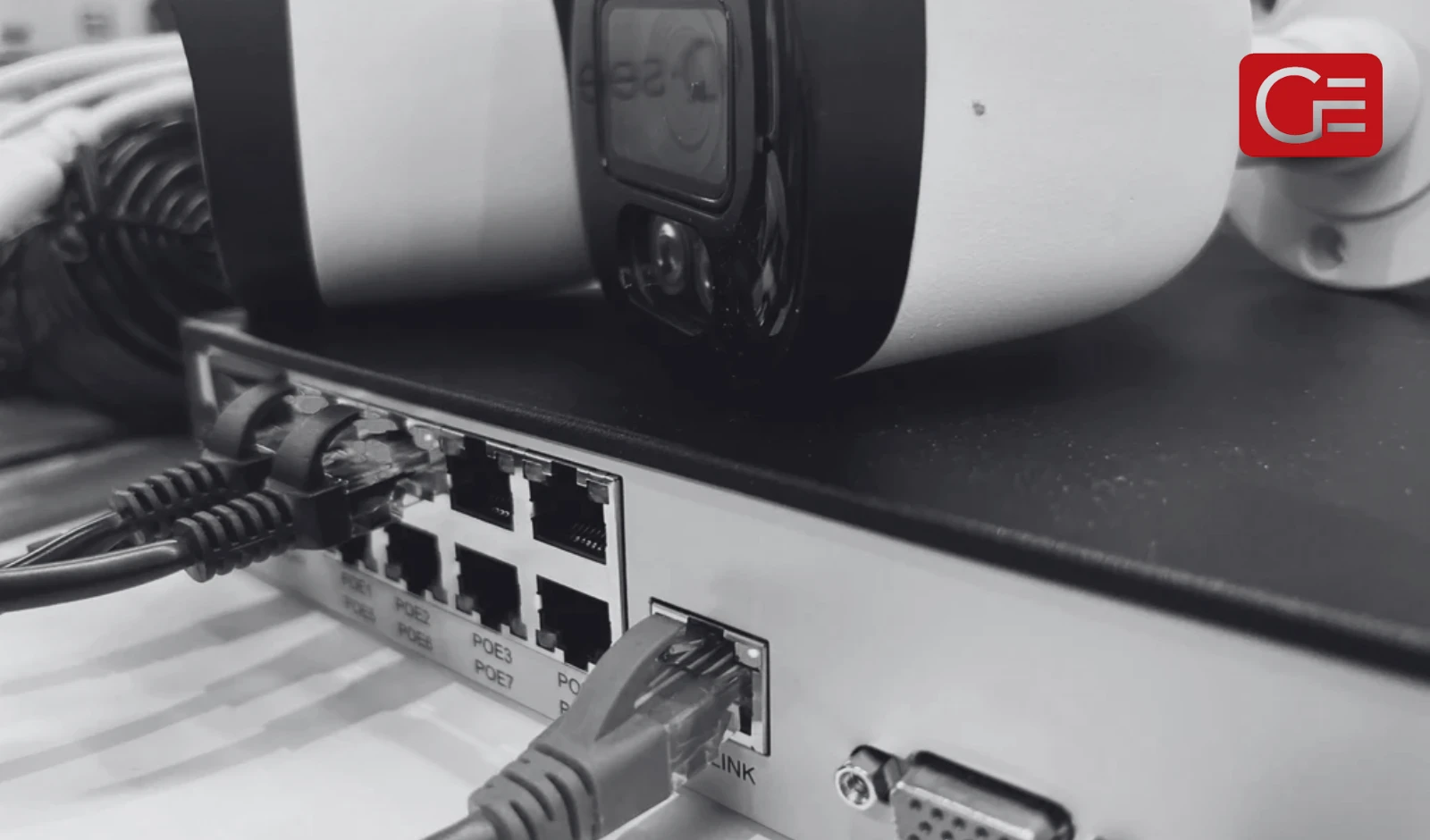
- Powered over Ethernet using an Ethernet cable
- Rechargeable batteries
- Solar panels for solar-powered security cameras
Each option works differently and has its own benefits.
Plug-In Power Supply
Many CCTV cameras plug directly into a power outlet using a power supply adapter. This is common for indoor cameras and some outdoor cameras.
This method gives steady power. Cameras can record continuously without worrying about battery life.
However, proper wiring is important. A registered electrician can install outlets safely and prevent overloaded circuits.
Powered Over Ethernet (PoE)
PoE-powered cameras use one Ethernet cable to carry both power and video. This is called powered over Ethernet.
With PoE:
- One cable handles both power and data
- Fewer cables mean less clutter
- The setup looks cleaner
PoE systems are common in larger camera systems. A residential electrician can safely install PoE wiring to ensure stable performance.
Battery-Powered Cameras
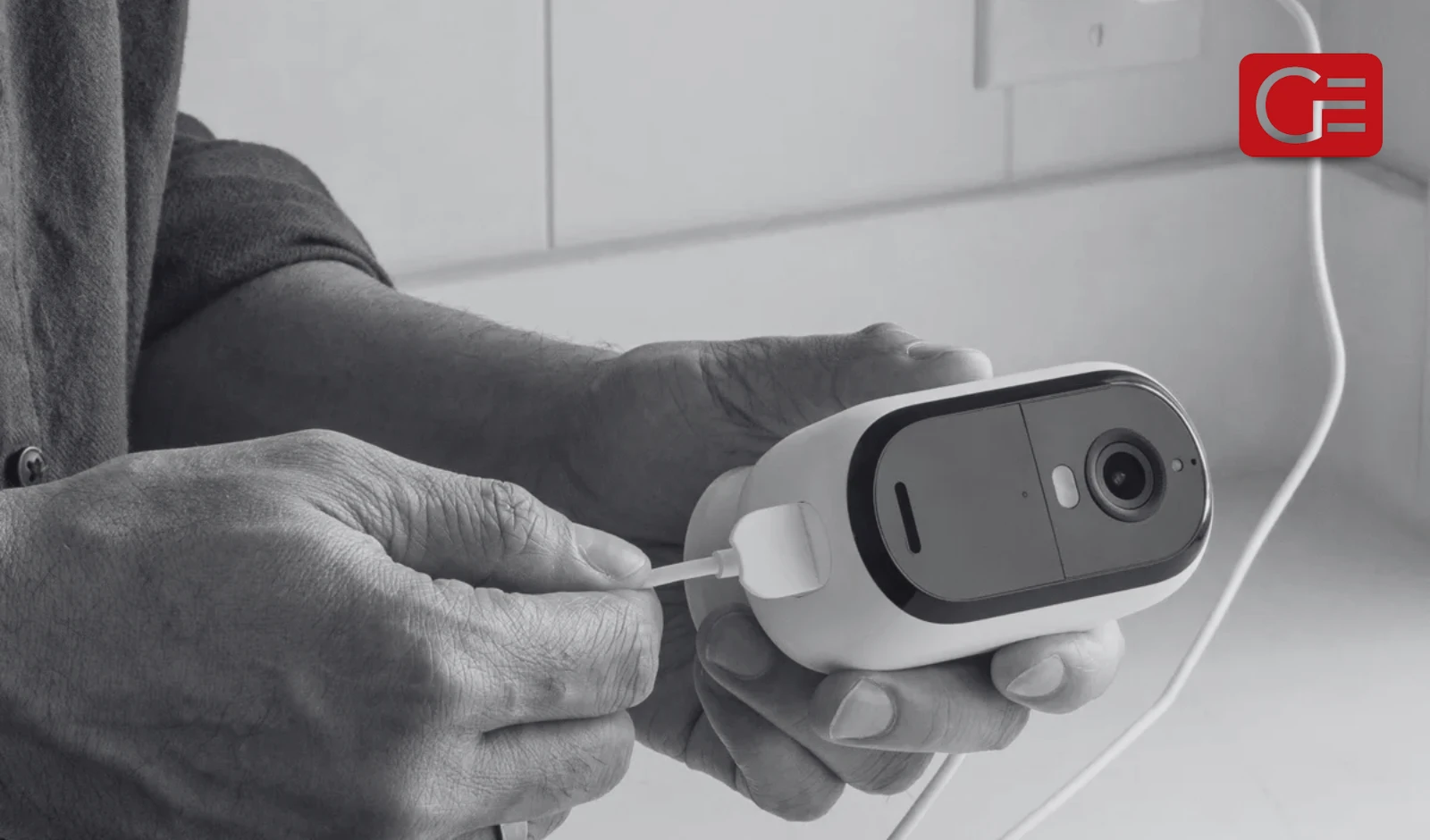
A battery-powered camera runs on rechargeable batteries. It does not need a direct power outlet. Wireless security cameras get power from built-in batteries. Battery life can last weeks or months, depending on how often motion detection is triggered. High-resolution cameras, like 4K UHD models, may use more battery power. That means more frequent charging.
Battery-powered cameras are flexible. But they must be checked and recharged regularly.
Solar-Powered Security Cameras
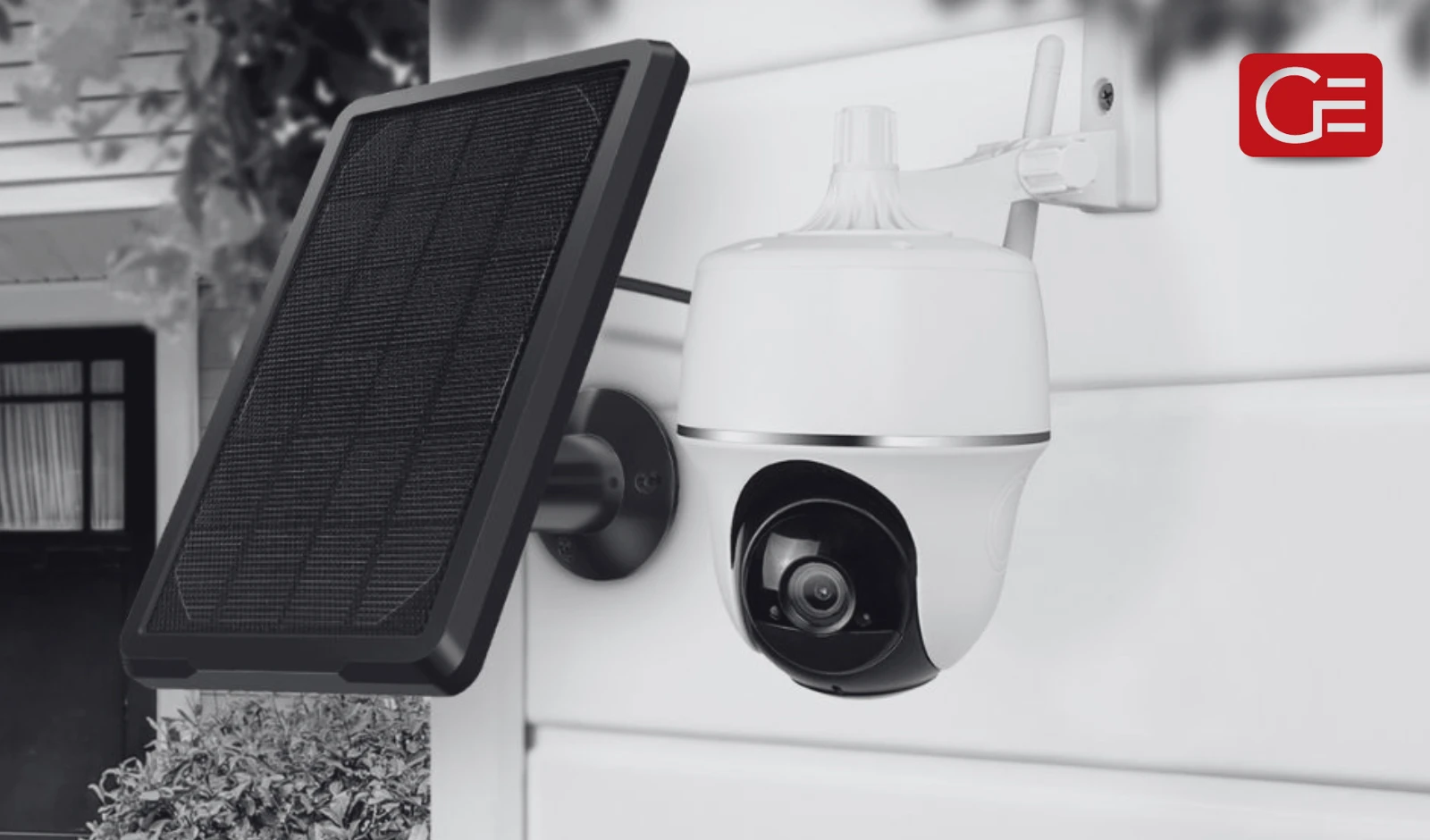
Solar-powered security cameras use solar panels to charge their batteries. The solar panel collects sunlight during the day. This reduces the need to remove the camera for charging. Solar systems work well for outdoor cameras placed far from a power outlet.
Proper placement is important. The solar panel must receive enough sunlight to keep the camera running smoothly.
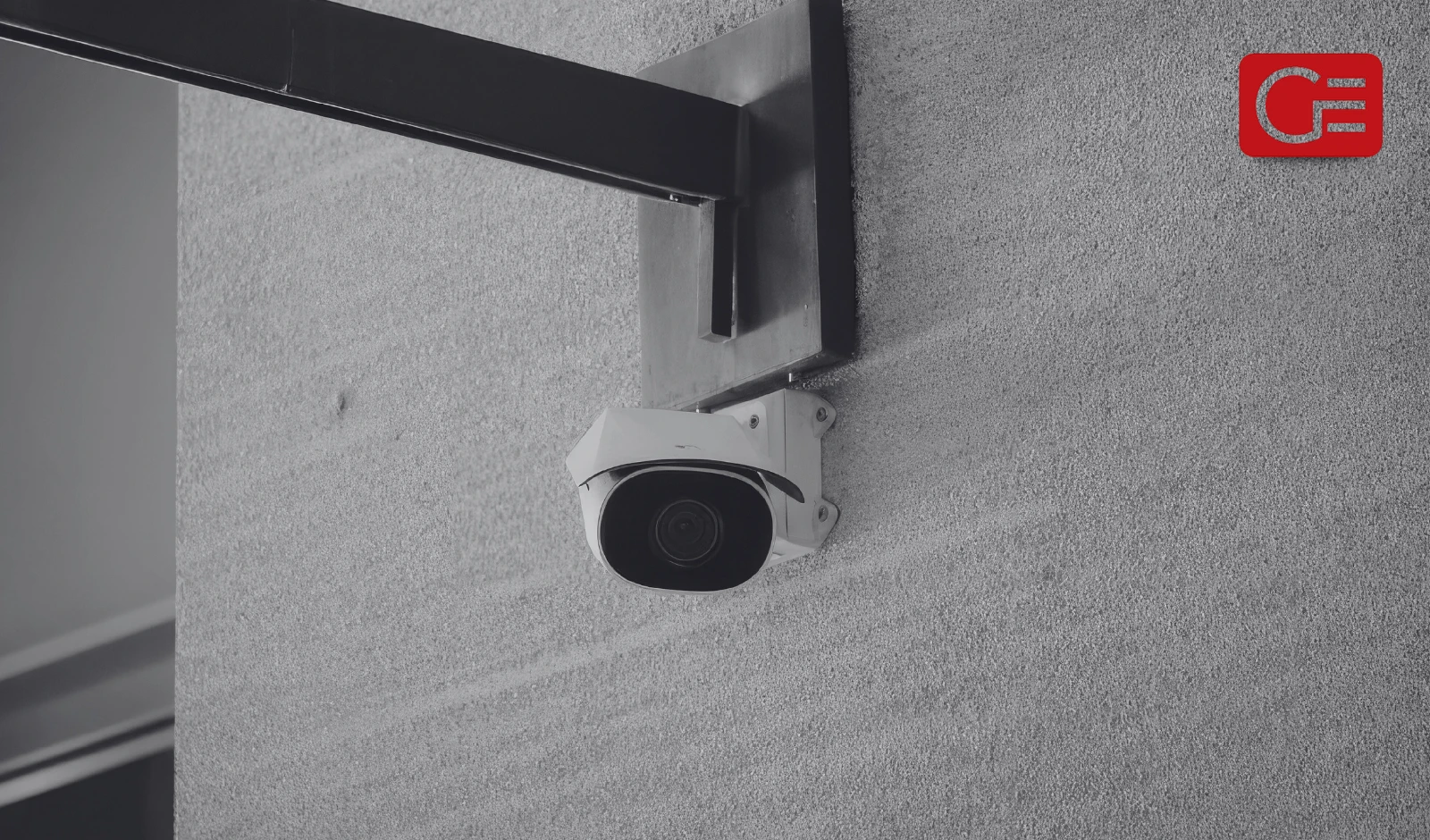
How Wireless Security Cameras Get Power
Many people think wireless cameras do not need electricity. This is not true.
“Wireless” refers to how video is sent, not how the camera gets power.
Wireless cameras still need power. They either:
- Plug into a power outlet
- Use rechargeable batteries
- Connect to solar panels
Understanding this helps avoid confusion during setup.
Backup Power and Battery Backup
Power outages can stop cameras from working. Some camera systems include battery backup. Battery backup keeps cameras running during short power cuts. This prevents gaps in recording.
If your camera system often loses power, an emergency electrician can check the wiring and fix the issue safely.
Matching Power Supply to Camera Type
Different cameras work best with certain power methods.
For example:
- Indoor cameras often plug into a power outlet
- Outdoor cameras may use solar panels
- Professional CCTV cameras often use PoE-powered systems
Choosing the right power supply helps cameras work better and last longer.
How Power Affects Camera Features
The power source can affect how well cameras work. Cameras with 4K UHD video, night vision, and advanced motion detection need stable power.
If power is weak or unstable, cameras may disconnect or stop recording.
Reliable power supports:
- Clear video recording
- Strong night vision
- Accurate motion detection
- Smooth system performance
Professional installation helps match the right power sources to your camera system.
Safety and Professional Installation
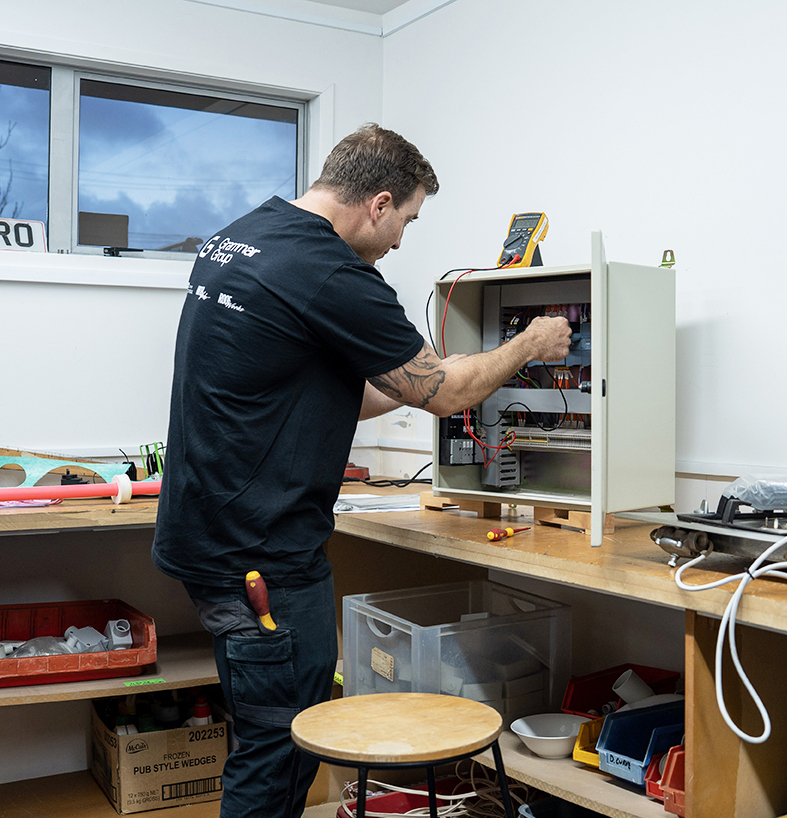
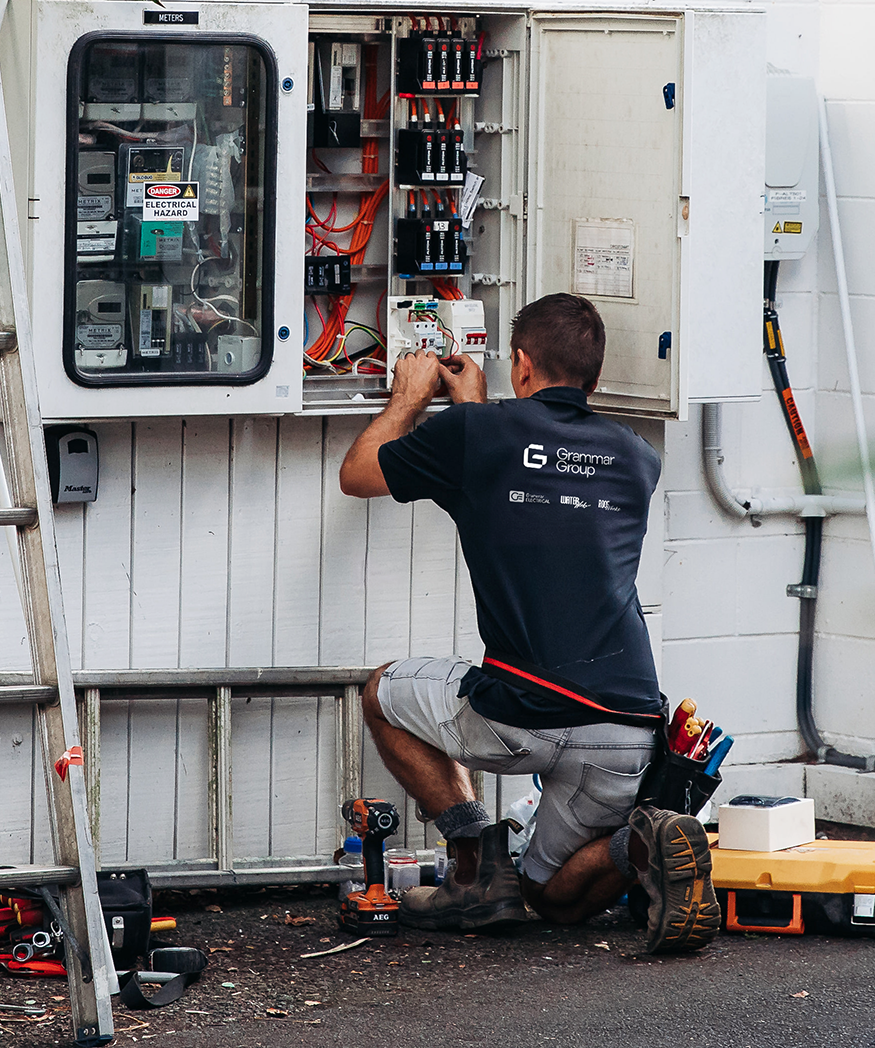
Safety should always come first. Poor wiring or overloaded outlets can create risks. A registered electrician ensures safe wiring for wired cameras. A residential electrician can plan safe cable routes and install secure outlets.
If something stops working, an emergency electrician can restore power quickly. Proper installation protects your home and your camera equipment.
Final Thoughts
Understanding how to power security cameras helps you choose the right setup. Cameras can plug into a power outlet, use PoE, run on rechargeable batteries, or use solar panels.
Reliable security camera power keeps your system working day and night. The right setup supports clear video, strong night vision, and accurate motion detection.
Professional installation ensures your camera system works safely and reliably for years to come.
Get Professional Help with Security Camera Power Installation
Choosing the right power method is important. Safe installation is even more important. Proper wiring and a stable power supply ensure your cameras work without interruption.
Grammar Electrical provides trusted services for security camera power installation and full system setup. Our electricians ensure safe connections and dependable performance. Call Grammar Electrical on 09 884 6611 or book online and save $15.
Auckland’s Trusted Electricians
Fast, reliable electrical repairs, installations & upgrades - available 24/7.
Book Online & Save $15



Got a question?
Contact us for a FREE installation quote or book your job online today.
Same Day Service Guarantee - Terms & Conditions

The "Same Day Service Guarantee or it's Free" applies to:
a. Residential work and Commercial only.
b. Jobs specified as needing same day service when booking a job by phone or online.
c. Residential and Commercial work booked with Grammar Electrical:
i) Before 11:00AM
ii) For calls or online bookings received after 11:00AM, the customer will be offered a job. Booking for the next business day and normal callout fees ($170+ GST) will apply.
iii) Any other jobs booked outside business hours (9:00AM - 5:00PM Monday- Friday) will incur after hours charges.
iv) This offer is excluded for jobs booked on New Zealand public holidays.
d. If Grammar Electrical are unable to attend on the same day (within 24 hours) for a job booked by the customer, the standard callout fee of $170 + GST will be waived and is free, but all other normal charges, fees and expenses will apply to perform the Electrical Services and to provide any products/materials concerning those services.
e. The Standard Callout Fee will be deducted from your bill as long as you pay within your invoice's due date. The callout charge is applicable if your invoice is overdue.
f. If Grammar Electrical are willing and able to perform the Service or provide the Goods on the same day the job is booked, however the Customer for whatever reason does not give access to their property on the day, Grammar Electrical will be deemed to have complied with it's "Same Day or it's Free" guarantee and shall be entitled to charge the customer the standard call-out fee.
g. This offer is not a guarantee of work being completed. The completion of the job will depend on stock availability and also the amount of work required.