

sdf%20-%20Copy.jpg)






.png)

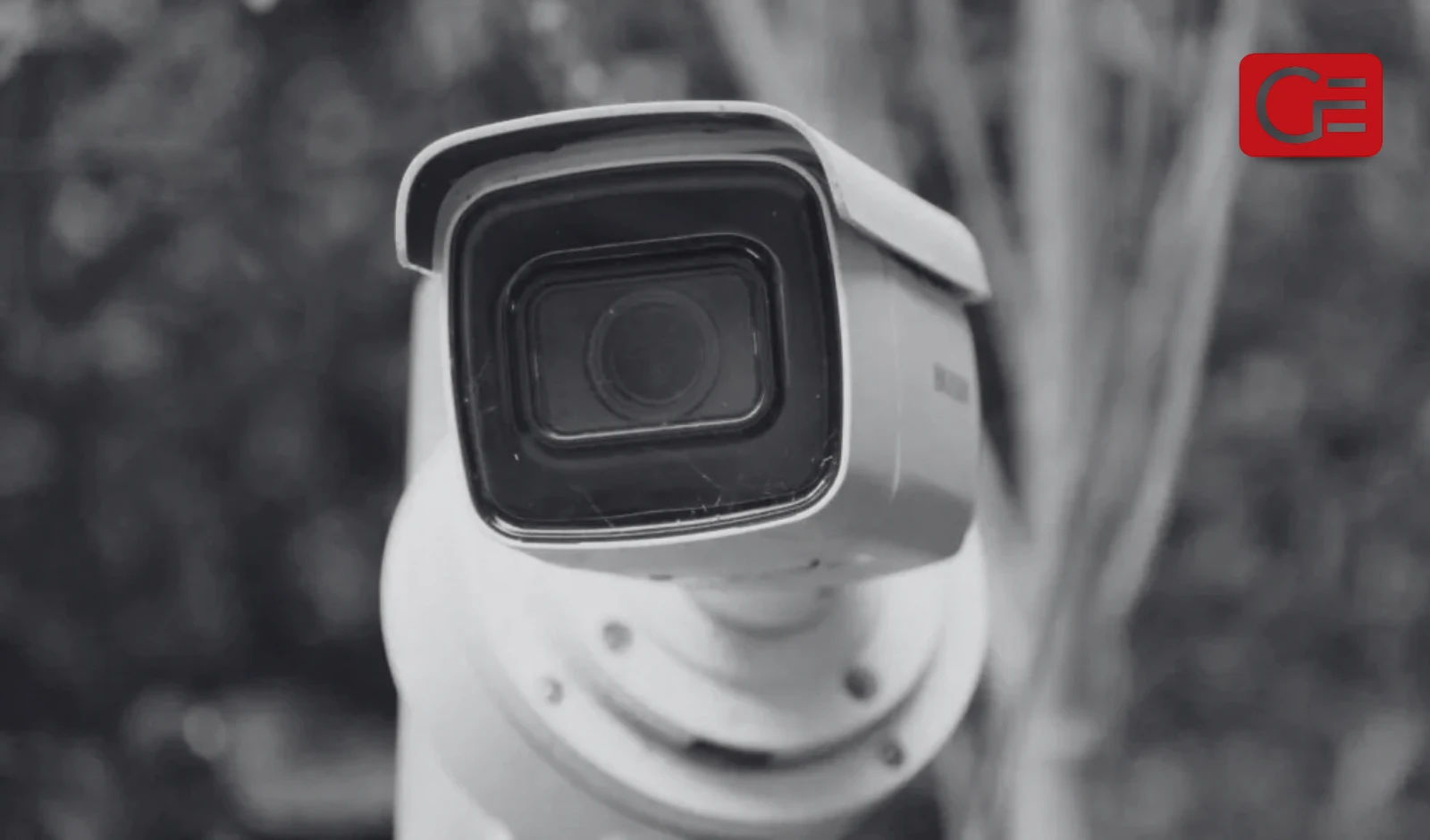


Security cameras are an important part of home security. They help homeowners watch their property, record activity, and discourage unwanted visitors. Many homes use both indoor home security cameras and outdoor home security cameras for better coverage.
Learning how these cameras work can help you choose the right security camera system. Today’s surveillance cameras include helpful features like motion detection, cloud storage, and improved video quality. These features make monitoring easier and give homeowners greater peace of mind.
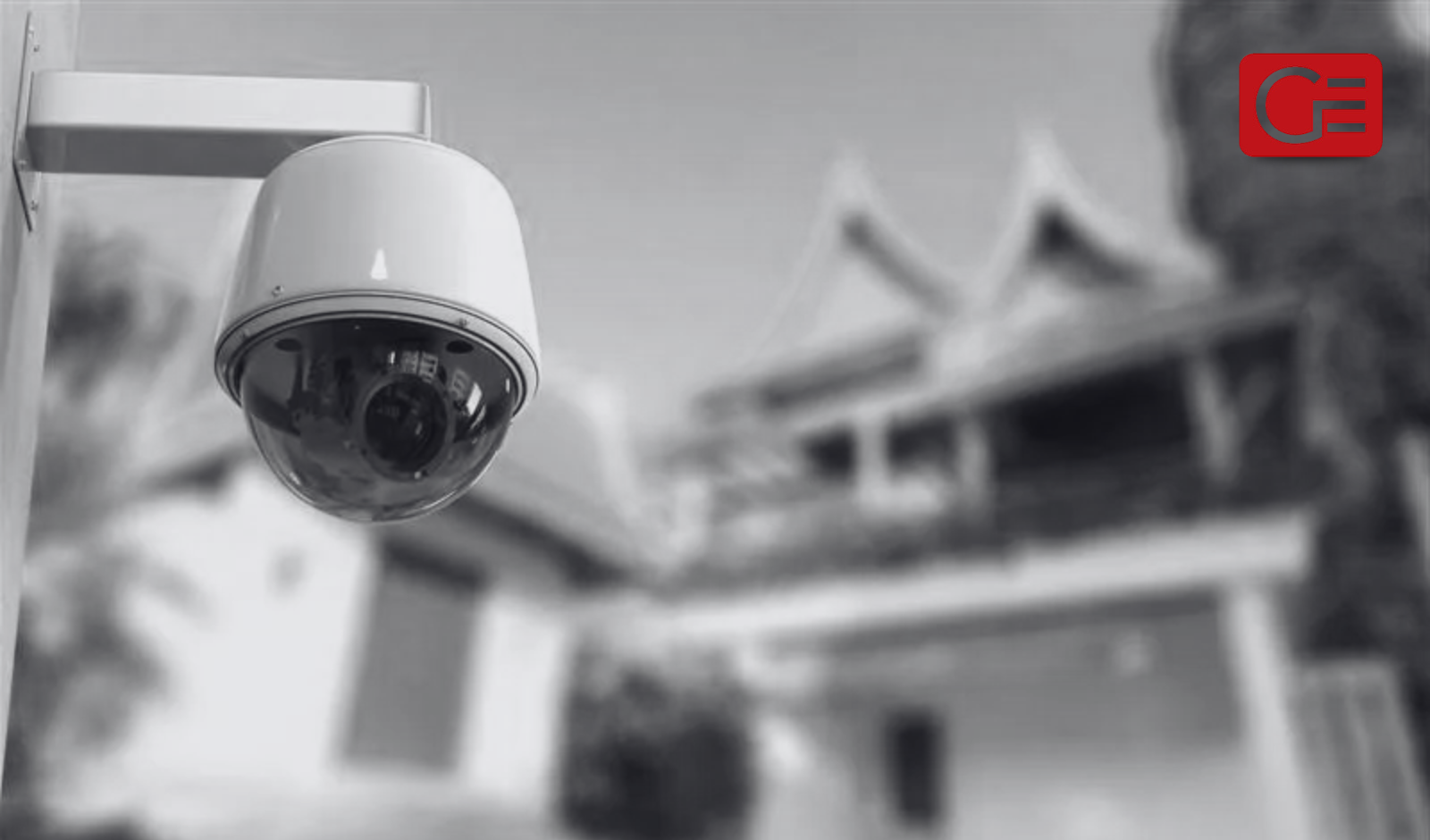
What Are Indoor and Outdoor Security Cameras?
Indoor and outdoor security cameras are devices that record video to help protect a property. They can be installed inside your home or outside in places like the front door, driveway, or backyard.
Indoor cameras often monitor areas such as:
- Living rooms
- Hallways
- Entryways
- Home offices
Outdoor cameras monitor areas outside the home, including:
- Front entrances
- Driveways
- Backyards
- Side paths
Together, these cameras create a full security camera system that helps protect your home.
How Home Security Cameras Indoor and Outdoor Work
The way home security cameras, indoor and outdoor, work is simple. Each camera has a lens and a digital sensor. The lens captures light and movement, and the sensor turns it into digital video.
The recorded video can be saved in two main ways:
- Cloud storage, where footage is saved online
- Local storage, such as a memory card or recorder
Many cameras also connect to your phone through Wi-Fi. This lets you watch live video or check recordings anytime.
Indoor Home Security Cameras
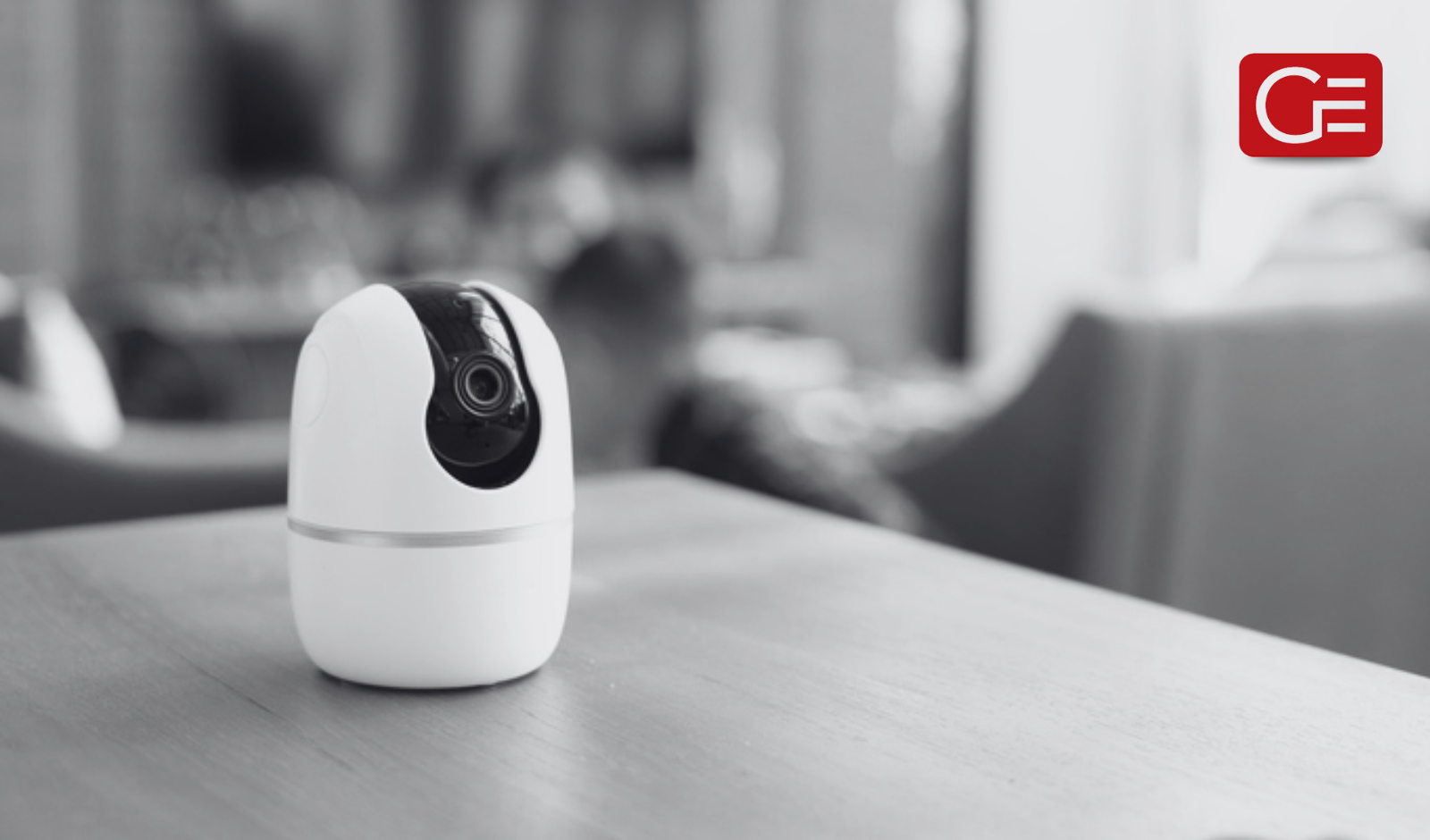
Indoor home security cameras watch activity inside your home. They are usually small and easy to place on shelves, ceilings, or walls.
People often use them to:
- Watch entry points
- Check the home while away
- Monitor pets or children
Many indoor cameras include useful features such as:
- Motion detection alerts
- Two-way audio
- Clear high-quality video
Since these cameras are indoors, they do not need special protection from weather conditions.
Outdoor Home Security Cameras
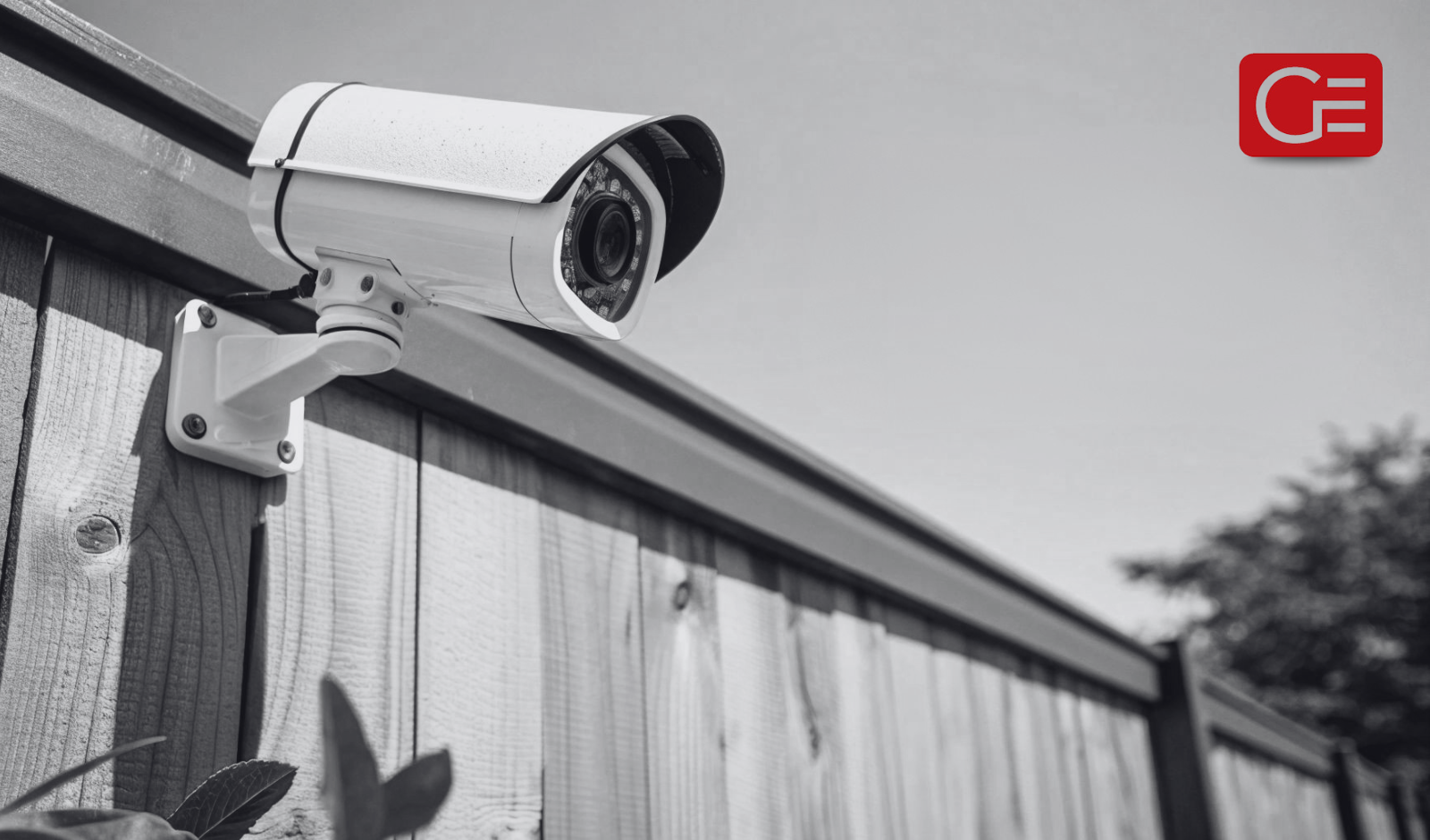
Outdoor home security cameras monitor areas outside your home. These cameras are built with weather resistance so they can handle rain, wind, and changing temperatures.
Outdoor cameras are commonly placed near:
- The front door
- Driveways
- Garages
- Backyard entrances
Important features of outdoor security cameras include:
- Strong weather resistance
- Wide field of view for larger spaces
- Durable housing for outdoor use
These features allow cameras to keep working in different weather conditions.
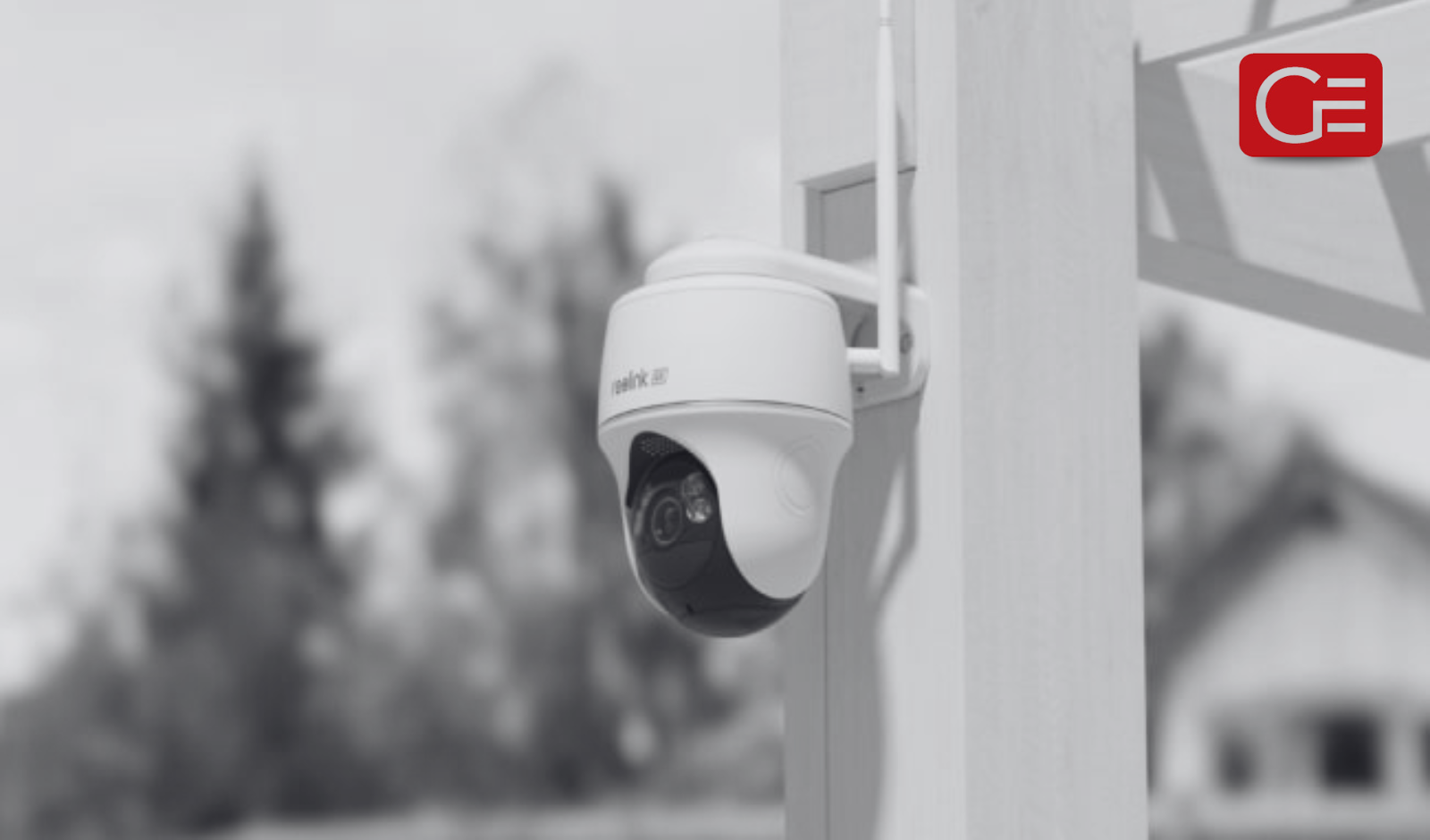
Wired and Wireless Security Cameras
The two main types of cameras used in a security camera system are wired cameras and wireless cameras.
- Wired Cameras - connect directly to a power source and a recording device. They often provide stable connections and consistent video quality. These cameras are commonly used in permanent installations where reliable power is available.
- Wireless Cameras - connect through Wi-Fi instead of cables. These cameras are easier to install and often use battery power. Wireless cameras are flexible and can be placed where running wires is difficult.
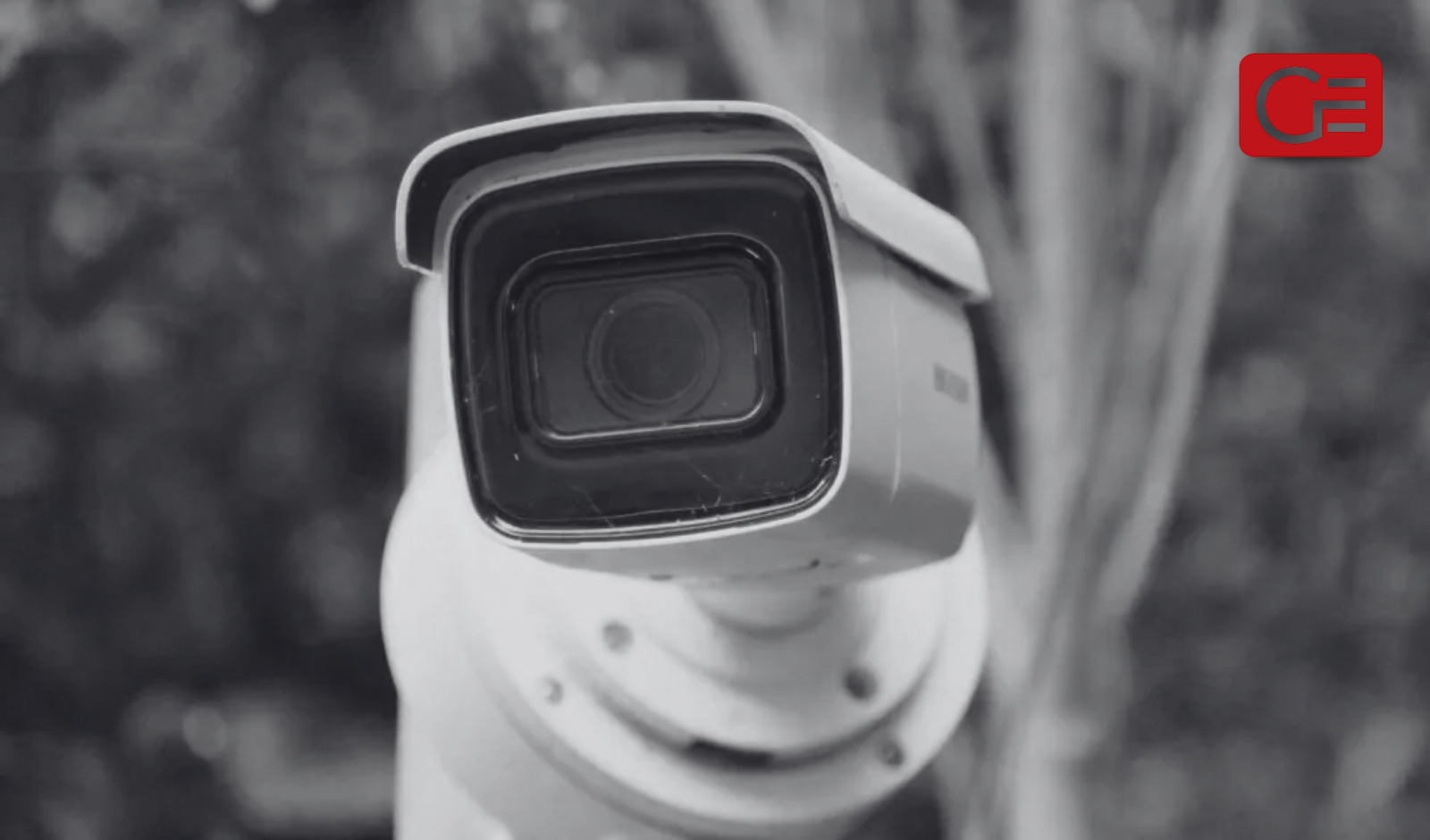
Power Options for Security Cameras
Different home security cameras use different power sources.
Common options include:
- Electrical power for wired cameras
- Rechargeable battery power
- Solar charging using solar panels
Cameras powered by solar panels are helpful for outdoor areas where wiring may be difficult.
Motion Detection and Smart Alerts
Many modern surveillance cameras use motion detection. Instead of recording all the time, the camera records only when it detects movement.
When motion is detected, cameras can:
- Start recording automatically
- Send alerts to your phone
- Allow quick viewing through a mobile app
This feature saves storage space and helps homeowners respond quickly to activity.
Storage Options for Security Cameras
Security cameras save recorded video so it can be viewed later.
Two common storage options are:
- Cloud Storage - Video is saved online. This allows you to access recordings from anywhere with internet access.
- Local Storage - Video is stored on devices such as memory cards or recorders inside your home.
Both options keep important footage from your security camera system safe.
Choosing the Right Security Camera System
Choosing the right system depends on your home layout and security needs.
When comparing cameras, consider features such as:
- Video quality and resolution
- Camera field of view
- Weather resistance for outdoor cameras
- Storage options like cloud storage or local storage
- Installation options, such as wired cameras or wireless camera models
Many cameras offer features that make monitoring easier and improve home security.
Why Professional Installation Matters
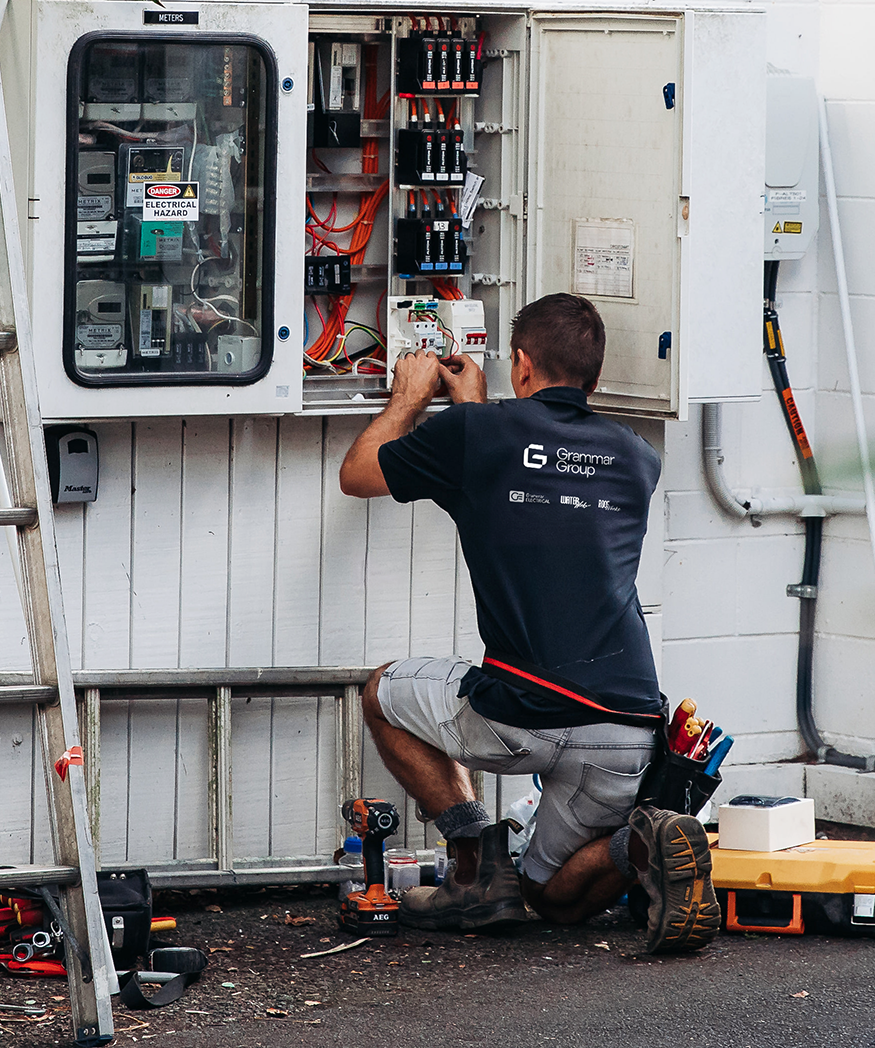
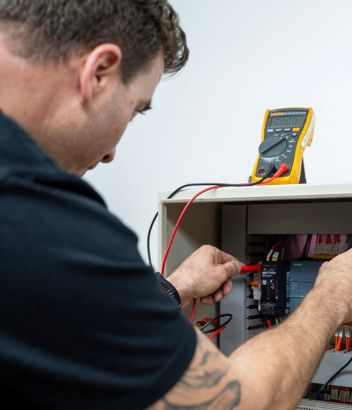
Correct installation helps cameras work properly and capture important areas. A registered electrician can safely install your security camera system and ensure proper wiring and power connections.
Professional installation can help with:
- Correct camera placement
- Safe electrical setup
- Reliable Wi-Fi connection
- Better video quality
If your system stops working or loses power, an emergency electrician can inspect the system and restore it safely.
Final Thoughts
Both indoor and outdoor security cameras help protect your home. Indoor cameras watch activity inside the house, while outdoor home security cameras monitor entry points and outside areas.
Modern home security cameras include helpful features like motion detection, cloud storage, and high-quality video. When installed correctly, they provide reliable monitoring and give homeowners greater peace of mind.
Choosing the right security camera system and installing it properly keeps your home protected.
Reliable Security Camera System Installation
A properly installed security camera system helps monitor your home both inside and outside. Correct camera placement improves coverage and helps capture important areas such as entry points, driveways, and the front door. Professional installation also helps ensure reliable power, stable connections, and clear video quality.
Give Grammar Electrical a call on 09 884 6611 or book online and save $15.
Auckland’s Trusted Electricians
Fast, reliable electrical repairs, installations & upgrades - available 24/7.
Book Online & Save $15




Got a question?
Contact us for a FREE installation quote or book your job online today.
Same Day Service Guarantee - Terms & Conditions

The "Same Day Service Guarantee or it's Free" applies to:
a. Residential work and Commercial only.
b. Jobs specified as needing same day service when booking a job by phone or online.
c. Residential and Commercial work booked with Grammar Electrical:
i) Before 11:00AM
ii) For calls or online bookings received after 11:00AM, the customer will be offered a job. Booking for the next business day and normal callout fees ($170+ GST) will apply.
iii) Any other jobs booked outside business hours (9:00AM - 5:00PM Monday- Friday) will incur after hours charges.
iv) This offer is excluded for jobs booked on New Zealand public holidays.
d. If Grammar Electrical are unable to attend on the same day (within 24 hours) for a job booked by the customer, the standard callout fee of $170 + GST will be waived and is free, but all other normal charges, fees and expenses will apply to perform the Electrical Services and to provide any products/materials concerning those services.
e. The Standard Callout Fee will be deducted from your bill as long as you pay within your invoice's due date. The callout charge is applicable if your invoice is overdue.
f. If Grammar Electrical are willing and able to perform the Service or provide the Goods on the same day the job is booked, however the Customer for whatever reason does not give access to their property on the day, Grammar Electrical will be deemed to have complied with it's "Same Day or it's Free" guarantee and shall be entitled to charge the customer the standard call-out fee.
g. This offer is not a guarantee of work being completed. The completion of the job will depend on stock availability and also the amount of work required.