

sdf%20-%20Copy.jpg)






.png)








Electrical equipment is used every day in workplaces, construction sites, and commercial buildings. Over time, cords, plugs, and appliances can become damaged through normal use.
Testing and tagging electrical equipment helps identify these issues before they cause accidents. Regular inspections can reduce safety risks and help businesses maintain safe working environments.
What Is Testing and Tagging?
Testing and tagging electrical equipment is the process of checking portable electrical appliances to make sure they are safe to use.
The process usually includes:
- A visual inspection
- Electrical testing
- Recording results
- Attaching a safety tag
These checks help identify damaged equipment and support workplace safety programs.
Step 1: Complete a Visual Inspection
The first step is a visual inspection.
This involves checking for:
- Damaged plugs
- Cracked casings
- Frayed cords
- Loose connections
- Signs of wear
Many faults can be found during a simple visual check before any electrical testing takes place.
Step 2: Perform Electrical Testing
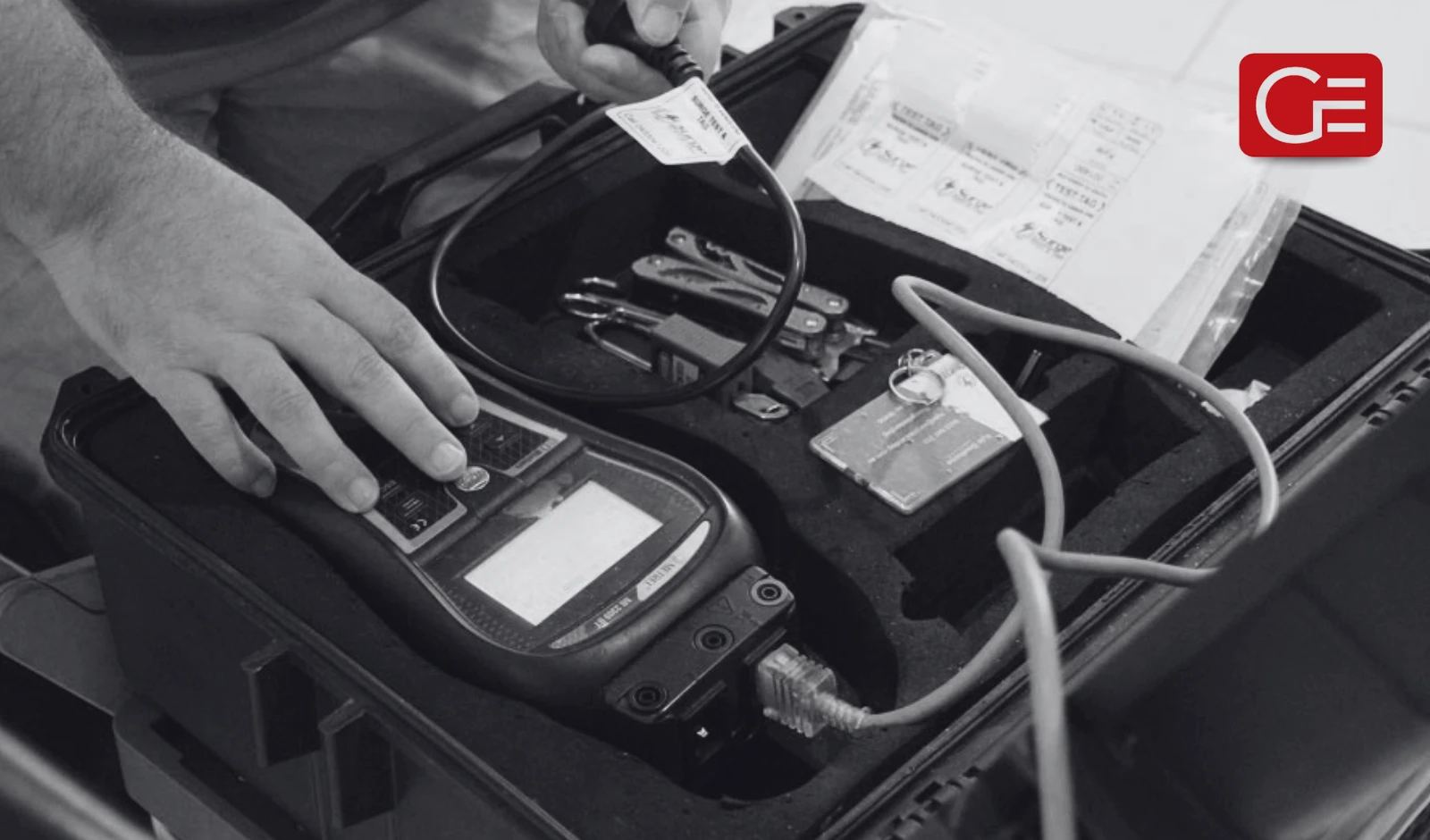
After the visual inspection, the equipment is tested using specialised appliance testing equipment.
The testing process may include:
- Continuity insulation resistance testing
- Earth continuity checks
- Electrical safety checks
These tests help determine whether the equipment can operate safely.
Inspection and testing should always be completed by a person with the appropriate knowledge and skills.
Step 3: Attach the Safety Tag
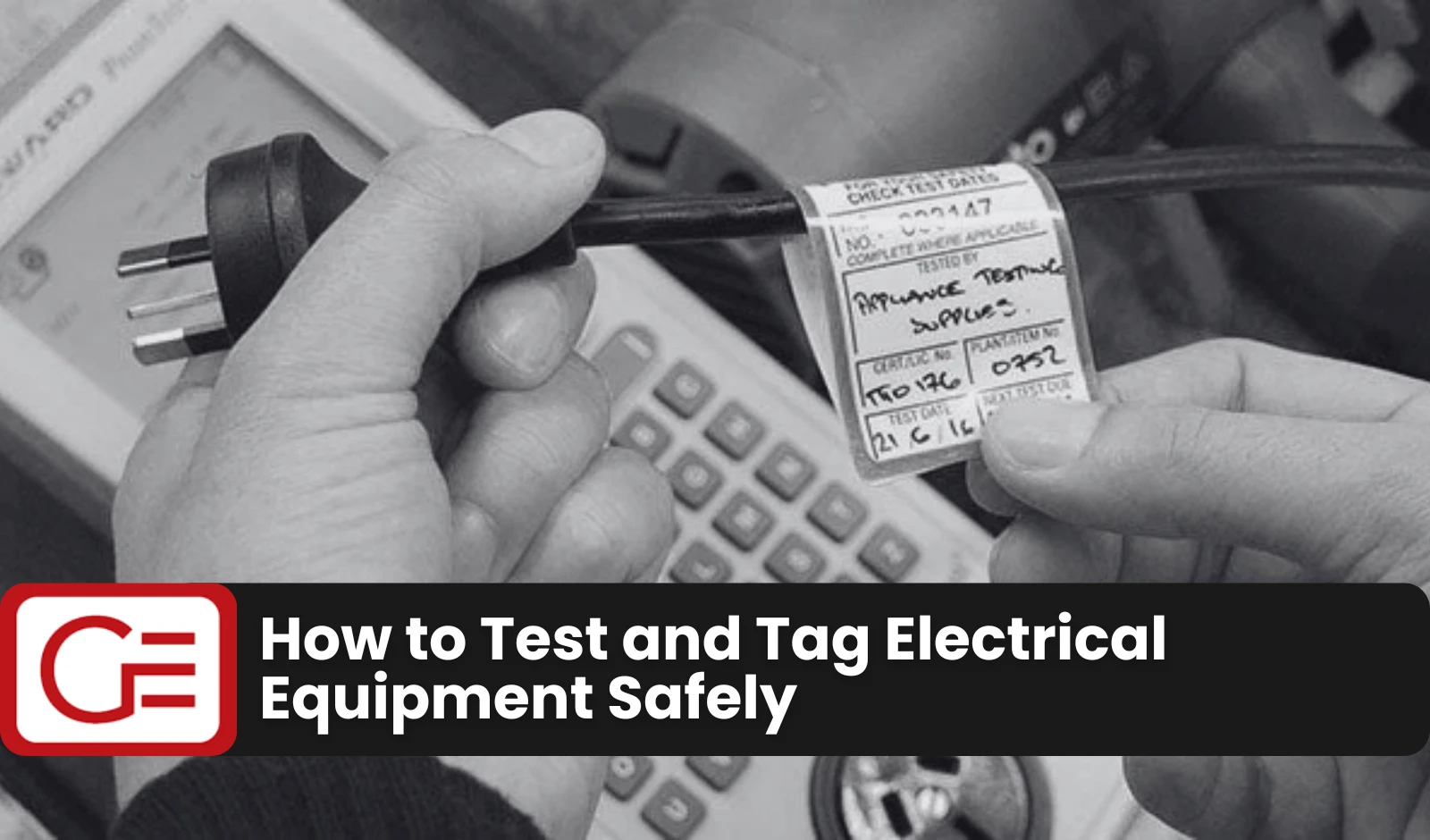
Once testing is complete, a tag is attached to the equipment.
The tag usually shows:
- Test date
- Next inspection date
- Tester details
- Pass or fail result
Tagging electrical equipment makes it easier to identify which items have been tested and when they are due for another inspection.
Why Is Testing and Tagging Important?
Damaged equipment can increase the risk of electrical shock, equipment failure, and workplace accidents.
Regular testing helps:
- Improve workplace safety
- Identify damaged equipment
- Reduce electrical hazards
- Support compliance with safety requirements
This is especially important for extension leads, portable electrical appliances, and equipment used in demanding environments.
How Often Should Equipment Be Tested?
Testing schedules depend on the types of equipment and where they are used.
Equipment used on a construction site may require more frequent testing because of harsh working conditions.
Factors that affect testing frequency include:
- The work environment
- Risk assessment findings
- Equipment usage
- Industry requirements
Regular testing helps ensure equipment remains safe between inspections.
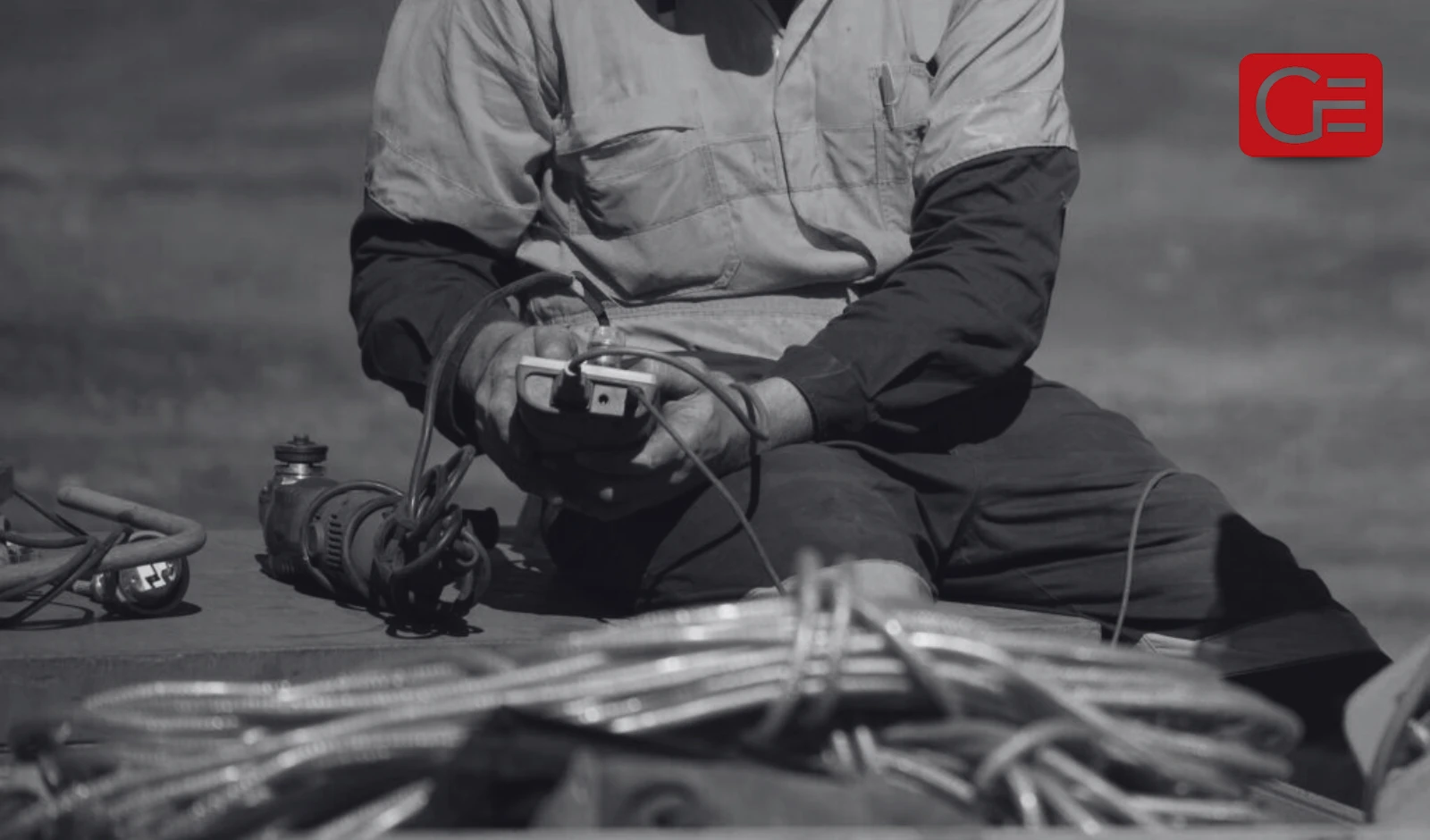
Understanding NZ Standards
Testing and tagging electrical equipment in New Zealand follows guidelines such as the NZS 3760 standard.
These standards outline:
- Inspection procedures
- Testing methods
- Record-keeping requirements
- Safety practices
The Electricity Safety Regulations 2010 also help guide safe workplace practices and electrical safety requirements.
Who Should Perform Testing and Tagging?
Testing and tagging should only be completed by someone with the proper training and experience. Many businesses choose professional testing and tagging services to ensure equipment is inspected correctly.
A registered electrician may perform testing in some environments. Larger facilities may also use a commercial electrician Auckland businesses trust or an industrial electrician for specialised equipment and workplaces.
Final Thoughts
Testing and tagging help keep workplaces safe by identifying damaged or unsafe electrical equipment. Regular inspections help reduce risks and support safer working environments.
By following proper procedures and carrying out regular testing, businesses can help protect workers, equipment, and property from avoidable electrical hazards.
Keep Your Workplace Safe
Regular testing helps ensure electrical equipment remains safe and ready for use. Professional inspections can identify problems early and help reduce workplace risks.
Grammar Electrical provides reliable testing and tagging services for businesses across Auckland. Call Grammar Electrical on 09 884 6611 or book online and save $15.
Auckland’s Trusted Electricians
Fast, reliable electrical repairs, installations & upgrades - available 24/7.
Book Online & Save $15



Got a question?
Contact us for a FREE installation quote or book your job online today.
Same Day Service Guarantee - Terms & Conditions

The "Same Day Service Guarantee or it's Free" applies to:
a. Residential work and Commercial only.
b. Jobs specified as needing same day service when booking a job by phone or online.
c. Residential and Commercial work booked with Grammar Electrical:
i) Before 11:00AM
ii) For calls or online bookings received after 11:00AM, the customer will be offered a job. Booking for the next business day and normal callout fees ($170+ GST) will apply.
iii) Any other jobs booked outside business hours (9:00AM - 5:00PM Monday- Friday) will incur after hours charges.
iv) This offer is excluded for jobs booked on New Zealand public holidays.
d. If Grammar Electrical are unable to attend on the same day (within 24 hours) for a job booked by the customer, the standard callout fee of $170 + GST will be waived and is free, but all other normal charges, fees and expenses will apply to perform the Electrical Services and to provide any products/materials concerning those services.
e. The Standard Callout Fee will be deducted from your bill as long as you pay within your invoice's due date. The callout charge is applicable if your invoice is overdue.
f. If Grammar Electrical are willing and able to perform the Service or provide the Goods on the same day the job is booked, however the Customer for whatever reason does not give access to their property on the day, Grammar Electrical will be deemed to have complied with it's "Same Day or it's Free" guarantee and shall be entitled to charge the customer the standard call-out fee.
g. This offer is not a guarantee of work being completed. The completion of the job will depend on stock availability and also the amount of work required.