




Most homeowners do not think about power surges until something stops working. A sudden voltage spike can damage computers, televisions, kitchen appliances, and other electronic equipment.
Understanding what causes a power surge and how to prevent one can help protect your home and avoid costly repairs. Taking simple steps today can reduce the risk of future damage.
What Is a Power Surge?
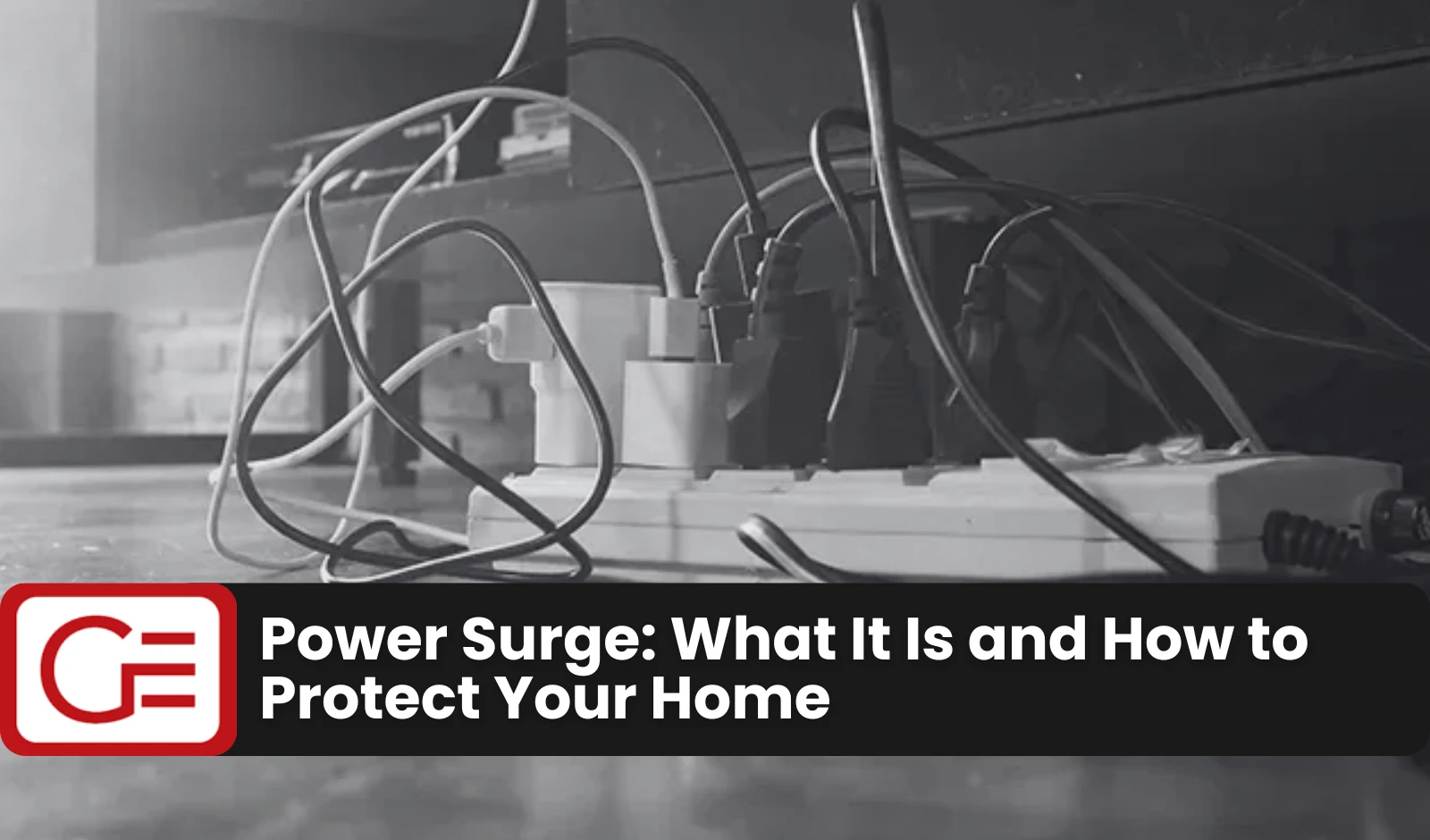
A power surge happens when more electricity than normal flows through your electrical system.
Electrical devices are designed to operate within a specific voltage range. When voltage rises suddenly, the excess electricity can damage sensitive components inside appliances and electronics.
Some surges happen in a fraction of a second. However, that brief spike can still cause significant power surge damage.
What Causes a Power Surge?
Several factors can cause a power surge.
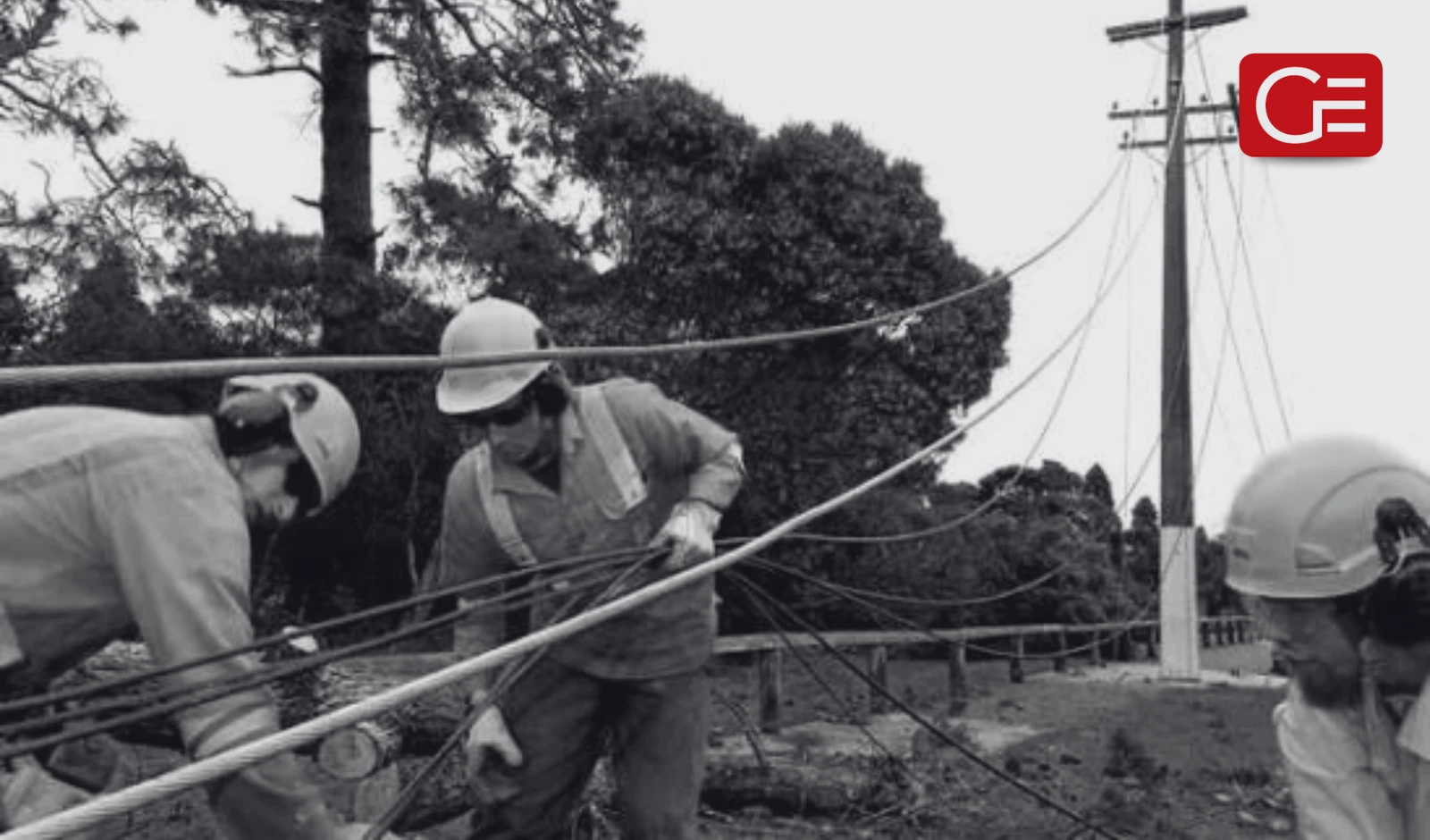
Lightning Strikes
Lightning strikes are one of the most powerful causes of electrical surges. A nearby strike can send a large amount of electricity through power lines and into your home.
Although direct strikes are rare, nearby lightning storms can still affect electrical systems.
Power Outages
Power outages can sometimes lead to surges when electricity is restored. As power returns, voltage levels may temporarily rise above normal levels.
This can place stress on electrical appliances and electronic equipment.
Problems with the Power Grid
Issues within the power grid can also cause voltage fluctuations.
Equipment failures, maintenance work, and sudden changes in electricity demand may create temporary surges that affect homes and businesses.
Faulty Wiring
Damaged electrical wires or faulty wiring inside a property can create electrical problems that lead to surges.
This is more common in an older home where electrical systems may have deteriorated over time.
How Can a Power Surge Damage Your Home?
Power surges can affect many items connected to the electrical system.
Commonly affected equipment includes:
- Computers
- Televisions
- Gaming systems
- Refrigerators
- Washing machines
- Smart home devices
Repeated small surges can slowly damage electronics and appliances. Over time, this may shorten their lifespan even if they continue to work.
Large surges can cause immediate failure.
How Surge Protectors Help
Surge protectors are designed to help protect equipment from sudden voltage spikes. When a surge occurs, the protector redirects excess electricity away from connected devices.
Many homeowners use surge protectors for:
- Computers
- Televisions
- Entertainment systems
- Home office equipment
This provides an extra layer of protection for valuable electronics.
Are Power Strips the Same as Surge Protectors?
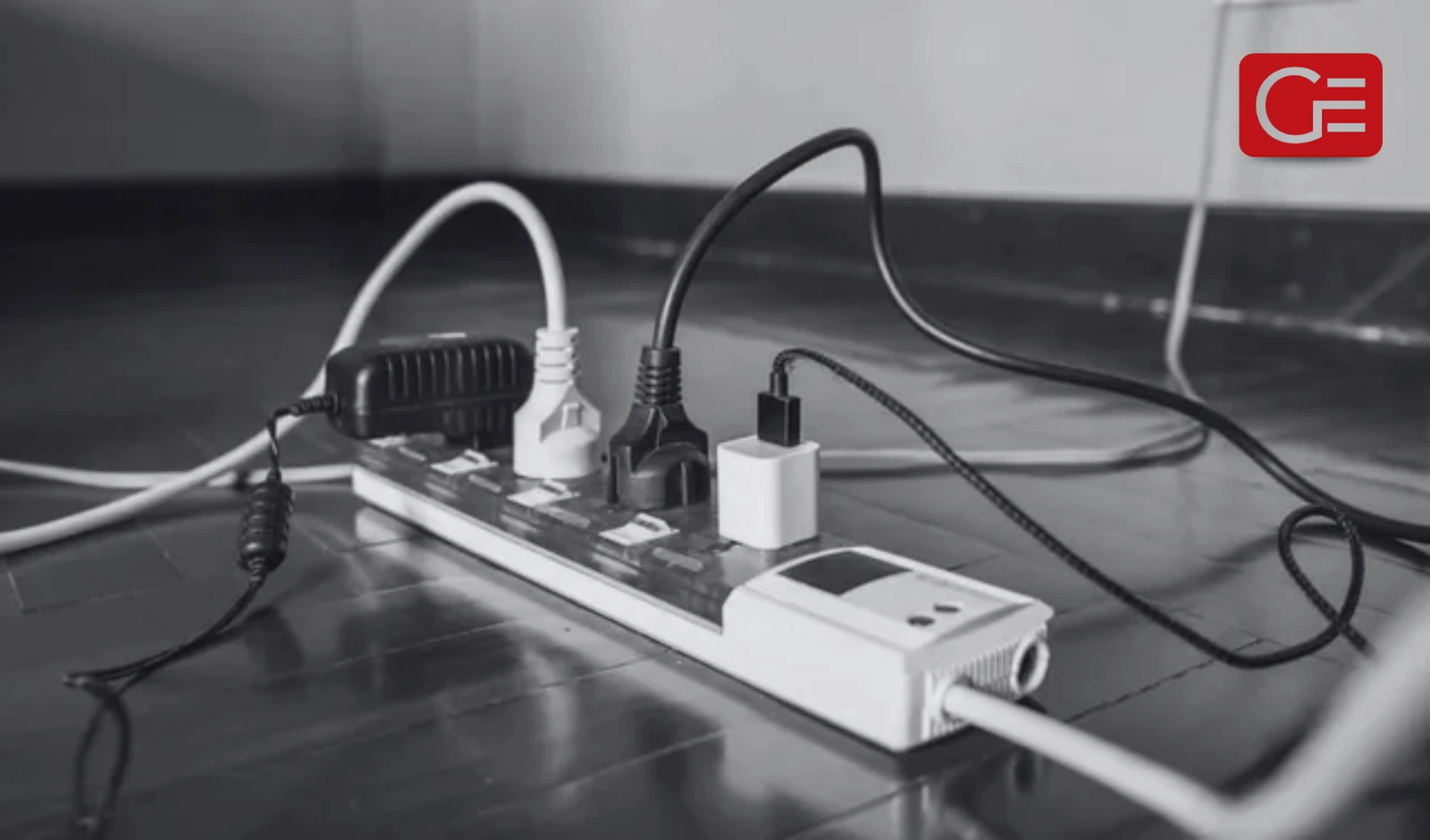
Many people assume all power strips provide surge protection, but that is not always true.
A standard power strip simply provides extra outlets. It does not necessarily protect devices from voltage spikes. If surge protection is important, make sure the product is specifically designed to handle electrical surges.
Whole-Home Surge Protection
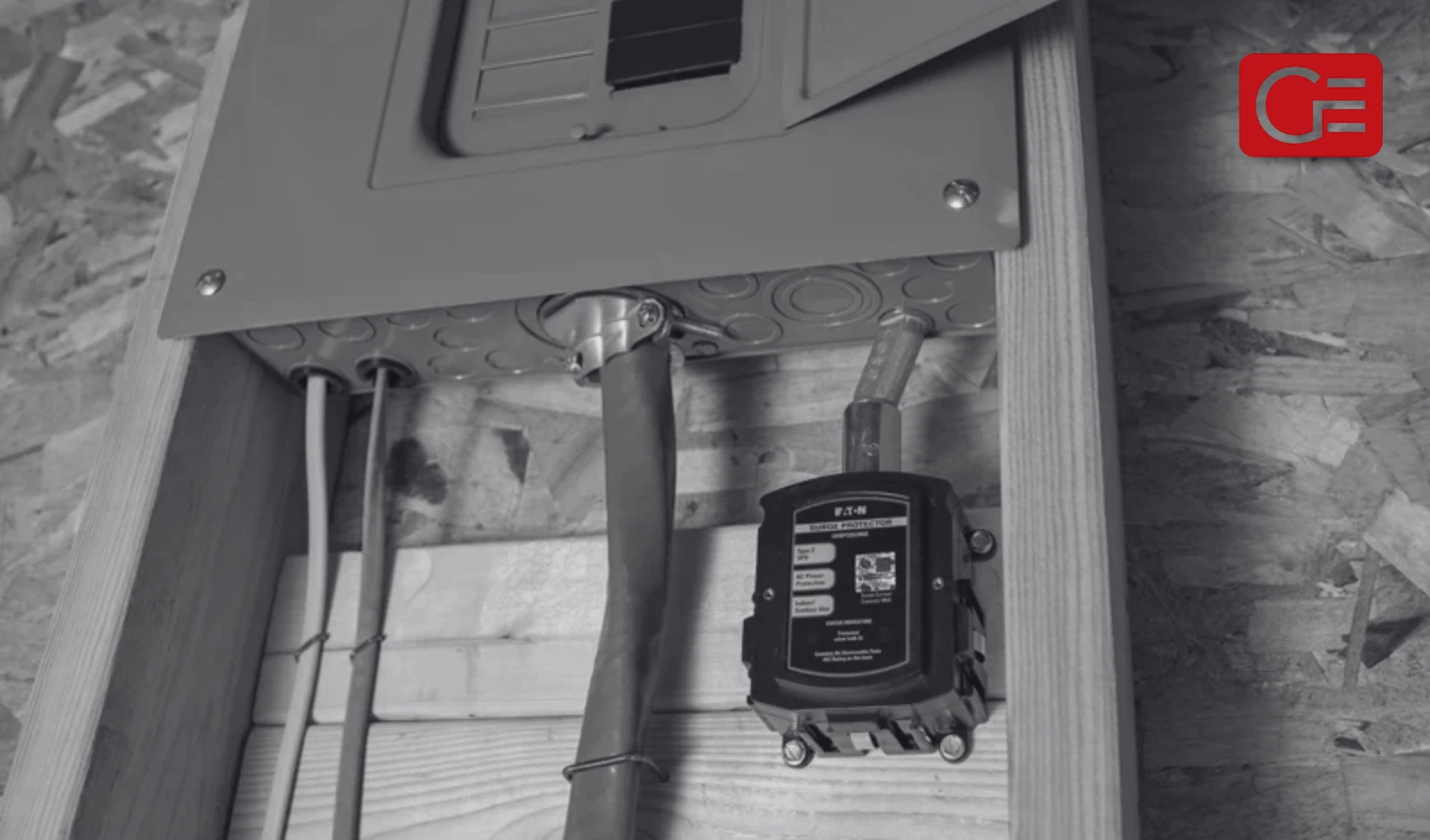
For greater protection, many homeowners install whole-home surge protection. This type of system is installed at the switchboard and helps protect the entire electrical system rather than individual devices.
Whole-home surge protection can help protect:
- Electrical appliances
- Electronics and appliances
- Smart home equipment
- Connected devices throughout the home
This approach offers broader protection than individual surge protectors alone.
How to Prevent a Power Surge
While it is impossible to stop every surge, there are ways to reduce the risk.
Helpful steps include:
- Install surge protection devices
- Unplug sensitive electronics during lightning storms
- Replace damaged wiring
- Upgrade old electrical systems
- Schedule regular electrical inspections
These steps can help prevent a power surge from causing major damage.
When Should You Call an Electrician?
Some power surge issues may point to larger electrical problems.
You should contact a professional if you notice:
- Frequent circuit breaker trips
- Flickering lights
- Burning smells
- Repeated equipment failures
- Signs of faulty wiring
A registered electrician can inspect the system and identify potential issues.
A residential electrician can assess electrical systems in homes, while an emergency electrician may be needed if sudden electrical faults create safety concerns. When comparing electrician rates, NZ homeowners should focus on experience and quality workmanship rather than price alone.
Final Thoughts
A power surge may last only a moment, but it can cause lasting damage to your electrical devices and appliances. Understanding what causes surges can help you take steps to reduce the risk.
Installing surge protection, maintaining your electrical system, and addressing problems early can help protect your home and valuable electronics. A professional electrical inspection can also identify issues before they lead to costly damage.
Protect Your Home from Power Surges
Power surges can damage appliances, electronics, and other important equipment. Professional advice can help you choose the right protection for your home.
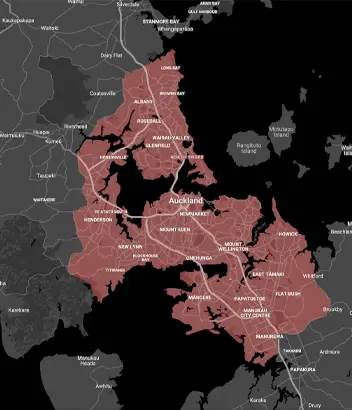
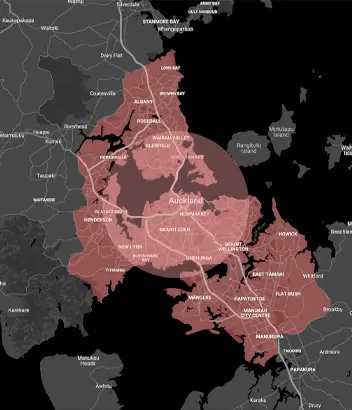
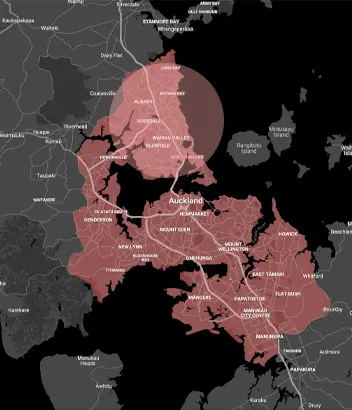
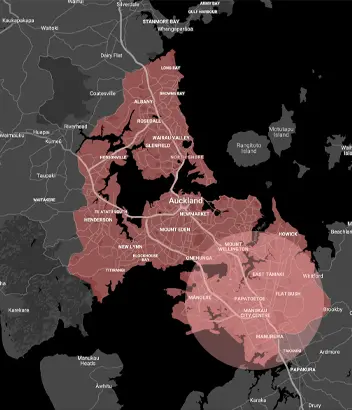
Grammar Electrical provides reliable electrical services, surge protection solutions, and electrical inspections across Auckland. Call Grammar Electrical on 09 884 6611 or book online and save $15.
Auckland’s Trusted Electricians
Fast, reliable electrical repairs, installations & upgrades - available 24/7.
Book Online & Save $15



Got a question?
Contact us for a FREE installation quote or book your job online today.
Same Day Service Guarantee - Terms & Conditions

The "Same Day Service Guarantee or it's Free" applies to:
a. Residential work and Commercial only.
b. Jobs specified as needing same day service when booking a job by phone or online.
c. Residential and Commercial work booked with Grammar Electrical:
i) Before 11:00AM
ii) For calls or online bookings received after 11:00AM, the customer will be offered a job. Booking for the next business day and normal callout fees ($170+ GST) will apply.
iii) Any other jobs booked outside business hours (9:00AM - 5:00PM Monday- Friday) will incur after hours charges.
iv) This offer is excluded for jobs booked on New Zealand public holidays.
d. If Grammar Electrical are unable to attend on the same day (within 24 hours) for a job booked by the customer, the standard callout fee of $170 + GST will be waived and is free, but all other normal charges, fees and expenses will apply to perform the Electrical Services and to provide any products/materials concerning those services.
e. The Standard Callout Fee will be deducted from your bill as long as you pay within your invoice's due date. The callout charge is applicable if your invoice is overdue.
f. If Grammar Electrical are willing and able to perform the Service or provide the Goods on the same day the job is booked, however the Customer for whatever reason does not give access to their property on the day, Grammar Electrical will be deemed to have complied with it's "Same Day or it's Free" guarantee and shall be entitled to charge the customer the standard call-out fee.
g. This offer is not a guarantee of work being completed. The completion of the job will depend on stock availability and also the amount of work required.