

sdf%20-%20Copy.jpg)







.png)







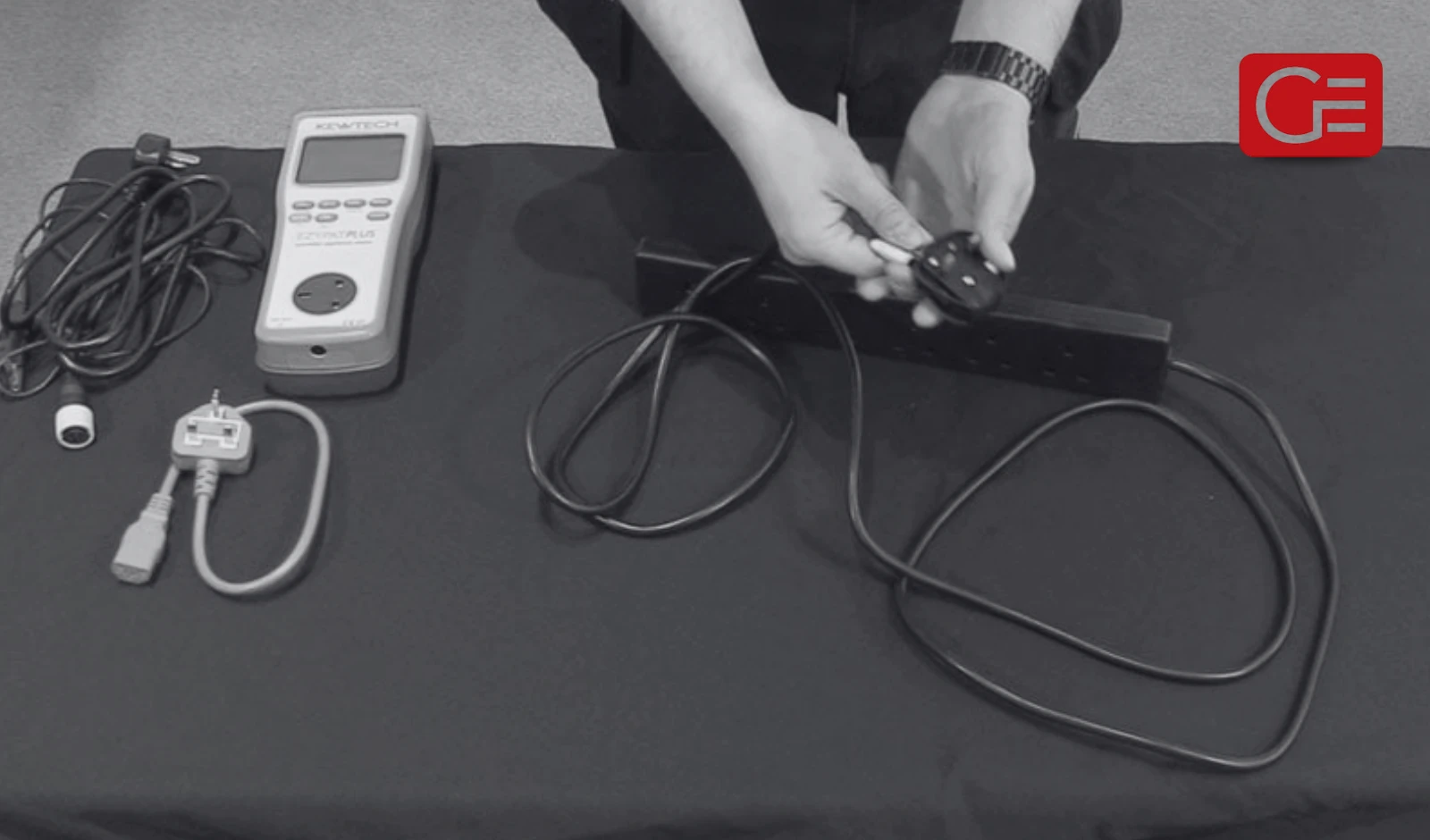

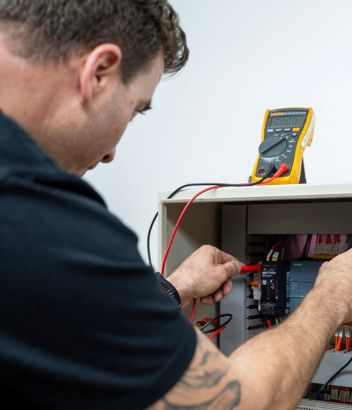
Electrical equipment can wear out over time, especially when used often. Damaged or faulty items can create safety risks if they are not checked properly.
Test and tag is a simple way to make sure equipment stays safe. Understanding what test and tag is helps reduce risks and maintain a safer environment at home or work.
What Is Test and Tag?
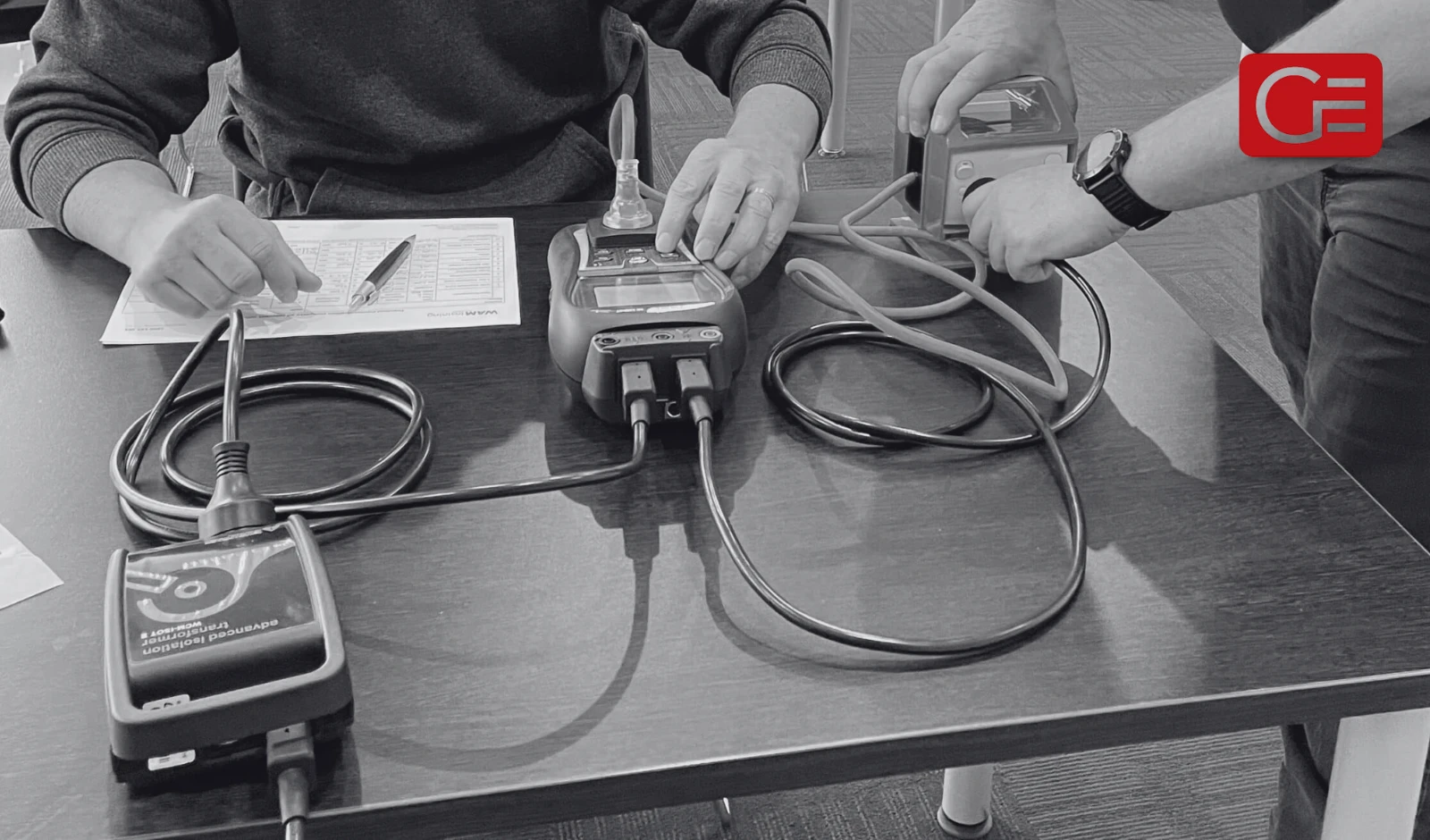
Test and tag is a safety process used to check electrical items before use. It is often applied to portable electrical equipment like appliances, extension leads, and power tools.
The process involves:
- A visual check for damage
- Electrical testing using proper tools
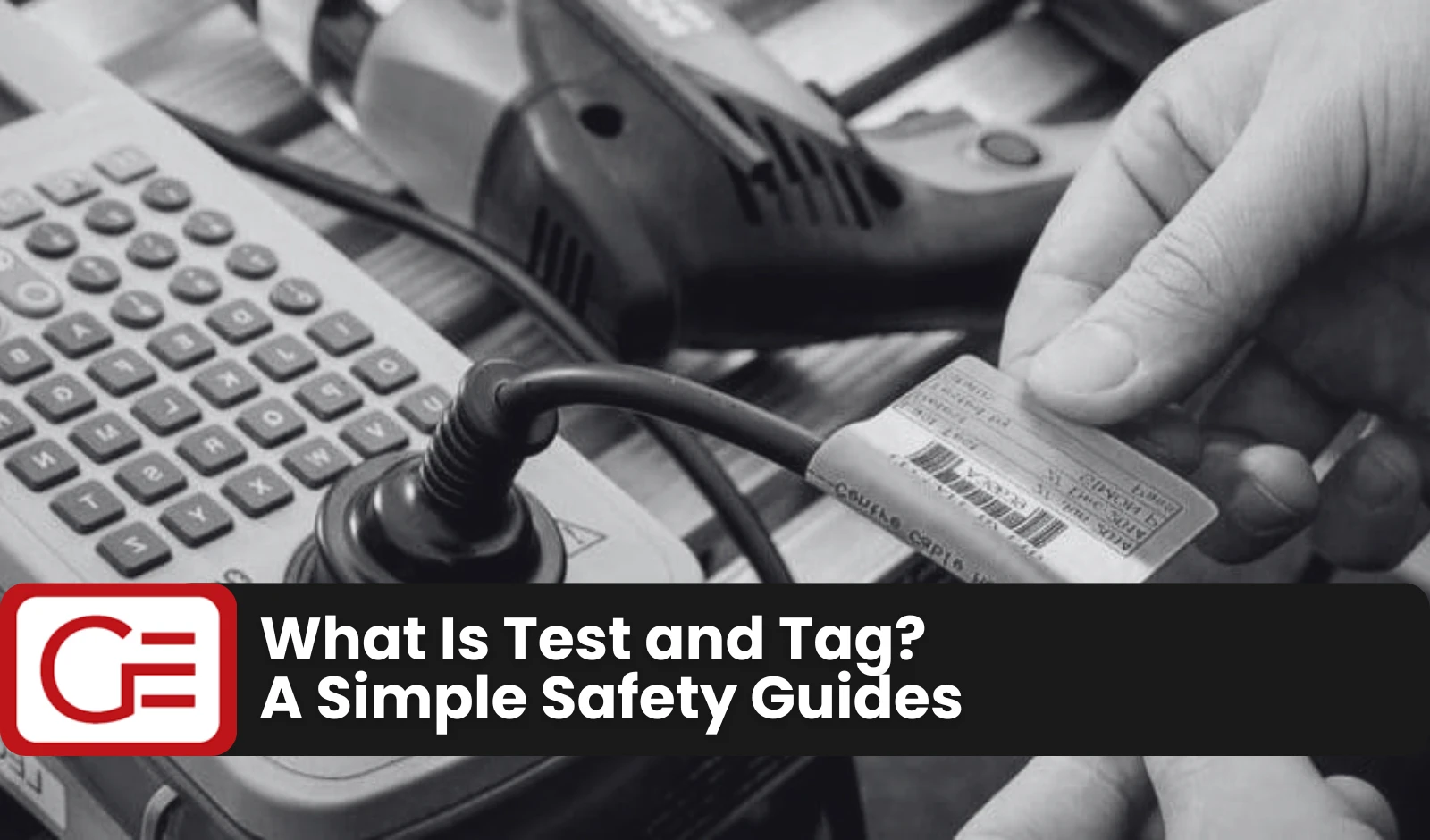
- Attaching a tag with test details
This helps confirm that the equipment is safe to operate.
How Does Test and Tag Work?
The process is designed to find faults before they become dangerous.
It usually includes:
- Checking plugs, cables, and connections
- Testing performance with a portable appliance tester (PAT)
- Measuring insulation resistance
- Adding a tag with the test date and the next due date
These steps help ensure the equipment is working safely.
Why Test and Tag Is Important
Regular testing helps prevent accidents and improve safety.
Key benefits include:
- Lower risk of electric shocks
- Reduced the chance of electrical hazards
- Better equipment performance
- Support for workplace safety practices
This is especially important in areas where equipment is used frequently.
Where Test and Tag Is Used
Test and tag is commonly used in workplaces with regular equipment use.
Examples include:
- Offices and commercial spaces
- Workshops and warehouses
- Construction site environments
- Areas with multiple power tools
These environments often need more frequent checks due to higher usage.
Is Test and Tag Required?
Test and tag is often part of general safety requirements. While not always directly legally required, businesses must ensure equipment is safe under rules like the Electricity Safety Regulations 2010. In practice, this means tagging electrical appliances and carrying out frequent testing based on the type of equipment and how it is used.
Standards such as the NZS 3760 standard guide how testing should be carried out, helping businesses stay compliant and maintain a safe working environment.
How Often Should Equipment Be Tested?
Testing frequency depends on how and where the equipment is used.
- High-risk areas may need regular testing
- Low-risk areas may require fewer checks
The goal is to keep all equipment safe over time.
Who Should Perform Test and Tag?
Test and tag should be done by someone trained in electrical safety.
A registered electrician or commercial electrician can perform testing correctly and safely. They ensure proper results and follow the right standards.
Final Thoughts
Understanding what test and tag is helps you maintain a safer environment. Regular checks reduce risks and keep equipment working properly.
Using trained professionals ensures testing is done correctly and safely.
Professional Test and Tag Services
Regular testing helps keep your electrical equipment safe and reliable. Professional services ensure your equipment is checked properly and meets safety requirements.
Call Grammar Electrical on 09 884 6611 or book online and save $15.
Auckland’s Trusted Electricians
Fast, reliable electrical repairs, installations & upgrades - available 24/7.
Book Online & Save $15



Got a question?
Contact us for a FREE installation quote or book your job online today.
Same Day Service Guarantee - Terms & Conditions

The "Same Day Service Guarantee or it's Free" applies to:
a. Residential work and Commercial only.
b. Jobs specified as needing same day service when booking a job by phone or online.
c. Residential and Commercial work booked with Grammar Electrical:
i) Before 11:00AM
ii) For calls or online bookings received after 11:00AM, the customer will be offered a job. Booking for the next business day and normal callout fees ($170+ GST) will apply.
iii) Any other jobs booked outside business hours (9:00AM - 5:00PM Monday- Friday) will incur after hours charges.
iv) This offer is excluded for jobs booked on New Zealand public holidays.
d. If Grammar Electrical are unable to attend on the same day (within 24 hours) for a job booked by the customer, the standard callout fee of $170 + GST will be waived and is free, but all other normal charges, fees and expenses will apply to perform the Electrical Services and to provide any products/materials concerning those services.
e. The Standard Callout Fee will be deducted from your bill as long as you pay within your invoice's due date. The callout charge is applicable if your invoice is overdue.
f. If Grammar Electrical are willing and able to perform the Service or provide the Goods on the same day the job is booked, however the Customer for whatever reason does not give access to their property on the day, Grammar Electrical will be deemed to have complied with it's "Same Day or it's Free" guarantee and shall be entitled to charge the customer the standard call-out fee.
g. This offer is not a guarantee of work being completed. The completion of the job will depend on stock availability and also the amount of work required.